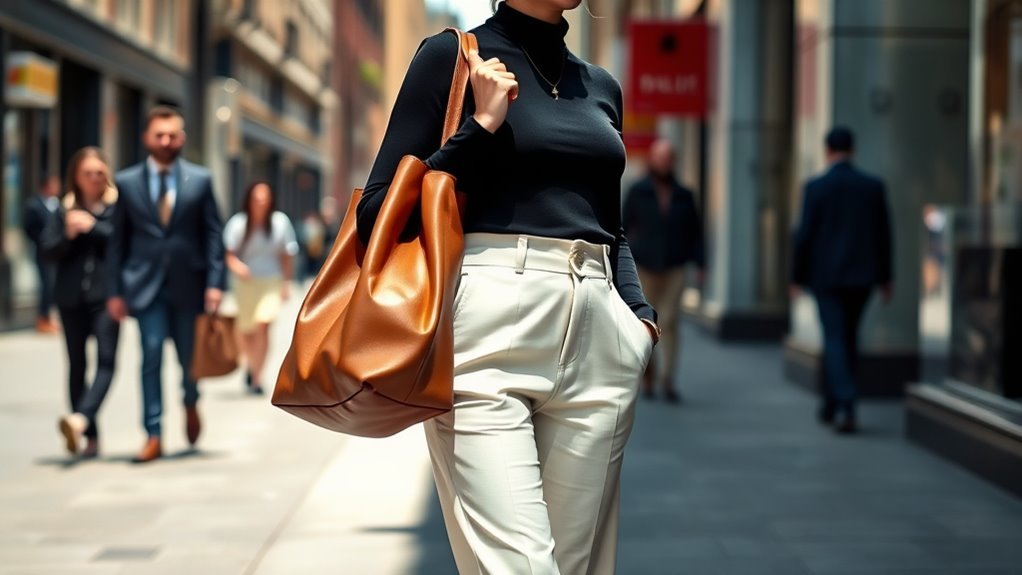
A hobo bag is soft and slouchy, so it looks best next to something with shape. Pair it with fitted or tailored pieces, such as high-waisted jeans, a blazer, or a belted dress. For evening, pick a smaller hobo in smooth leather or a metallic finish. This guide covers size, outfits, color, fabric, and the mistakes to skip.
Why Every Wardrobe Needs a Hobo Bag
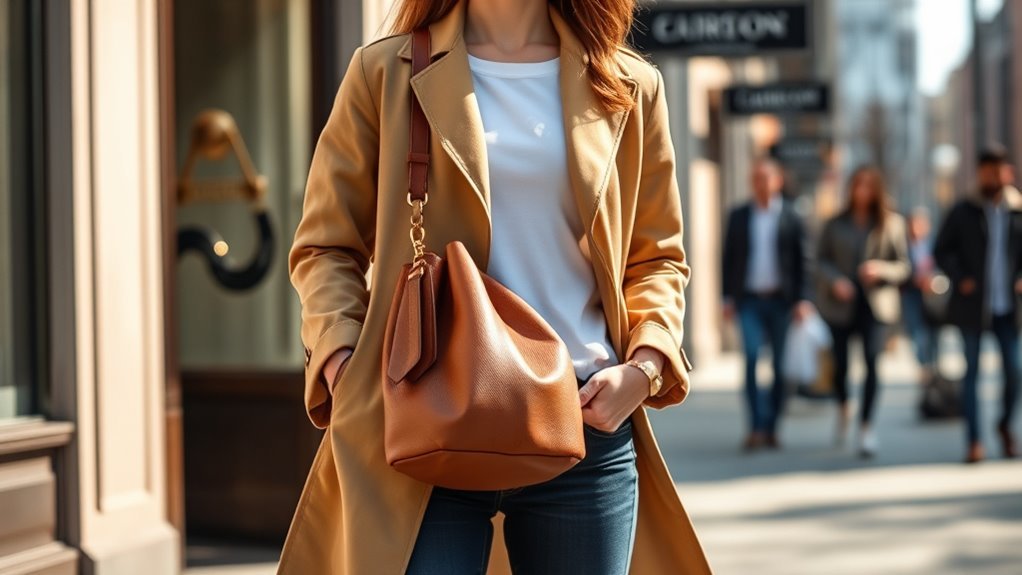
A hobo bag is a crescent-shaped shoulder bag that slouches when you set it down. It usually has one strap and a zip top. The soft shape makes it easy to wear with jeans, knits, and dresses.
The inside is roomy. Most hobo bags hold a wallet, phone, keys, a small pouch, and a water bottle. You will find them in leather, suede, canvas, and nylon.
The curve sits close to the body under the arm. That makes the bag comfortable to carry all day and keeps your hands free.
The one catch is the slouch. A soft bag with a soft outfit can look shapeless. The rest of this guide shows how to balance it.
Understanding the Relaxed Silhouette of Hobo Bags
The hobo has no stiff frame. It hangs from the shoulder and folds in the middle.
That curve follows the line of your side, so the bag does not stick out the way a boxy tote does.
Size matters more than with a structured bag, because a soft bag looks bigger once it is full.
Key Characteristics Explained
Three things define a hobo: a soft body, a curved top line, and a single shoulder strap. Set an empty one on a table and it will collapse. That is normal.
The open interior holds a lot, but small things sink to the bottom. A pouch or a bag organizer fixes that.
Some hobo bags have an adjustable strap or a second long strap. Worn short, the bag sits under the arm and looks neater. Worn long or crossbody, it looks more casual.
Styling With Casual Outfits
Casual clothes are the natural match for a hobo. Think jeans, a plain tee, a knit, and flat shoes.
The trick is to keep one part of the outfit fitted. If the sweater is big, wear slim or straight jeans. If the trousers are wide, wear a closer top. The bag then adds ease instead of bulk.
A neutral bag in tan, black, or taupe works with most casual outfits, so you do not need to plan around it.
A midi dress works too. Add a belt or a cropped jacket so the outfit has a clear waist.
Choosing the Right Size
The right size depends on your height and frame. If you are under about 5 feet 4 inches, a small or medium hobo usually looks most balanced. If you are over about 5 feet 7 inches, you can carry a medium or large one. A strap drop of about 9 to 12 inches lets the bag sit under the arm without riding into the armpit. Measure the drop from the top of the strap to the top of the bag.
The table below sums up the size guidelines.
| Body Type | Recommended Size | Style Tips |
|---|---|---|
| Petite (under 5’4″) | Small to Medium | Avoid overwhelming size |
| Average (5’4″-5’6″) | Medium | Balance with outfit |
| Tall (5’7″+) | Medium to Large | Go bold |
| Curvy | Medium | Hits at the hip |
| Athletic | Slouchy Designs | Adds softness |
Choosing the Right Hobo Bag for Your Body Type
These are guidelines, not rules. The best test is a mirror. The bag should look in scale with you, not swallow your side.
A filled hobo looks one size bigger than an empty one, so try it with your everyday things inside.
Also check where the bag ends. The bottom of the bag draws the eye to that spot on your body.
Body Shape Considerations
Here is how the guidelines play out by frame.
Petite (under about 5 feet 4 inches): pick a small or medium hobo. A very large one can hide your torso.
Tall (about 5 feet 7 inches and up): a medium or large hobo keeps the scale right. A longer strap drop helps the bag sit at the hip rather than high on the ribs.
Curvy: a medium hobo that rests at the hip tends to look balanced. Very small bags can look out of scale.
Athletic or straight: a slouchy leather hobo adds a soft curve to the outfit.
Whatever your frame, check the strap drop. If the bag jams under your arm when you wear a coat, the drop is too short.
Styling Hobo Bags for Casual Daytime Looks
For daytime, start with high-waisted jeans and a fitted tee, then add the hobo. The fitted top balances the soft bag. For errands or a coffee run, a canvas or nylon hobo is light and easy to wipe clean.
Here are a few pairings that work well for daytime.
| Outfit Element | Hobo Bag Style | Color Palette |
|---|---|---|
| High-Waisted Jeans | Slouchy Canvas Bag | Neutral Tones |
| Oversized Sweater | Soft Hobo Tote | Soft Pastels |
| Flowy Maxi Dress | Classic Leather Hobo | Earthy Shades |
| Denim Jacket | Printed Hobo Bag | Monochrome |
| Casual Sneakers | Textured Fabric Bag | Bright Accents |
Pick one pairing from the table and build from there. You do not need all of them at once.
Elevating Your Outfit: Hobo Bags for Evening Wear
A hobo can work at night if you size it down.
Choose a small hobo in smooth leather, satin, or a metallic finish. Deep colors such as burgundy, emerald, and navy look dressy. Leave the big canvas one at home.
Wear it with clean lines: a fitted dress, a slip skirt with a blazer, or slim trousers. Shorten the strap so the bag sits high under the arm.
Add one statement piece, such as earrings or heels. For a formal event such as black tie, a clutch is still the safer choice.
Accessorizing a Hobo Bag for a Balanced Look
Accessories can sharpen a hobo outfit or clutter it. The goal is one focal point.
Mix textures and keep the color story simple. Add jewelry last.
Start with the bag and one other accent, then stop.
Choosing Complementary Accessories
The bag is already a relaxed element, so add pieces that give the outfit some structure.
By day, keep jewelry small: a thin chain, studs, or a simple watch.
A belt at the waist adds the structure the bag lacks. So does a blazer or a crisp shirt.
A scarf tied to the strap adds color. Keep it short so it does not catch in the zip.
Loafers, ankle boots, or clean sneakers finish the look. A brimmed hat works on casual days.
Then check the mirror. If the eye goes to three things at once, take one off.
Layering Textures and Colors
Contrast in texture keeps a hobo outfit from looking flat. Smooth leather next to a chunky knit works well. So does suede next to denim.
Keep color simple. An earth-tone bag calms a floral print. A bright bag lifts an all-neutral outfit. Two or three colors in one outfit is plenty.
Shoes do not have to match the bag exactly. A close tone or the same finish is enough, such as a suede hobo with suede ankle boots. A tailored jacket on top keeps the whole look neat.
Incorporating Statement Jewelry
For evening, one bold piece of jewelry gives the outfit a focal point. Try a chunky necklace or large earrings, not both. Stacked thin bracelets or rings add detail without weight.
Match the metal to the bag hardware when you can. Gold jewelry suits gold hardware and warm brown leather. Silver suits silver hardware and cool tones such as black and grey.
| Jewelry Type | Occasion |
|---|---|
| Chunky Necklaces | Evening Events |
| Bold Earrings | Night Out |
| Delicate Bracelets | Casual Daytime |
Choosing Fabrics: Leather vs. Suede for Seasonal Styling
Leather and suede are the two classic hobo materials, and they suit different weather.
Smooth leather works all year. It handles light rain better than suede and wipes clean with a damp cloth. It still scratches, and soft leather slouches more as it ages.
Suede has a soft, matte look that suits fall and winter outfits. It needs more care. Brush it with a suede brush, use a suede protector spray, and keep it out of the rain.
If you want one bag for every season, choose leather. If you want a second bag for cool, dry months, suede is a good pick.
How to Match Your Hobo Bag’s Color With Your Outfits
Start with a neutral. Black, tan, taupe, and cream go with almost anything, so a neutral hobo gets the most wear.
A bold color such as red or cobalt works best when the rest of the outfit is quiet.
Season can guide you too. Lighter shades suit spring and summer. Deeper shades such as burgundy and forest green suit fall and winter.
Use a solid bag with a printed outfit, and a printed bag with a plain outfit.
A metallic hobo works like a neutral at night. Match it loosely to your jewelry or shoes.
Day to Night: Transitioning Your Hobo Bag
You have two ways to take a hobo from day to night: swap the bag or restyle the one you have.
If you swap, carry a canvas or large leather hobo by day and a small leather one after dark.
A small hobo in a deep color or a metallic finish reads as evening while keeping the soft shape.
If you keep the same bag, take out the bulk so it hangs flat, and add earrings or a scarf.
Then adjust the strap. A short strap that tucks the bag under the arm looks dressier. A long or crossbody strap looks casual.
Common Mistakes to Avoid When Styling a Hobo Bag
Most hobo styling mistakes come down to proportion.
The first is slouch on slouch. A soft bag with a baggy top and wide trousers has no shape, so keep at least one piece fitted or tailored. The second is scale. If you are petite, a very large hobo can take over the outfit.
The third is strap length. A drop of about 9 to 12 inches suits most people. Too short and the bag jams under the arm. Too long and it bumps the hip.
The fourth is overfilling. A stuffed hobo loses its curve and pulls on the shoulder. Carry less or size up.
The last is too many statements. If the bag has a bold print or heavy hardware, keep the clothes and jewelry simple.
Frequently Asked Questions
How to Style a Hobo Bag?
Keep one part of the outfit fitted. By day, wear it with jeans and a fitted top or a belted dress. At night, pick a smaller hobo in smooth leather or a metallic finish.
What’s the Difference Between Boho and Hobo?
Boho is a style of dress with loose fabrics, prints, and fringe. Hobo is a bag shape: a soft, crescent-shaped shoulder bag. A hobo bag can be part of a boho outfit, but the two words do not mean the same thing.
Conclusion
A hobo bag is relaxed by design, so the outfit has to supply the structure. Pick a size that suits your frame, keep one piece fitted, and limit yourself to one statement. Do that and the bag works from errands to dinner.