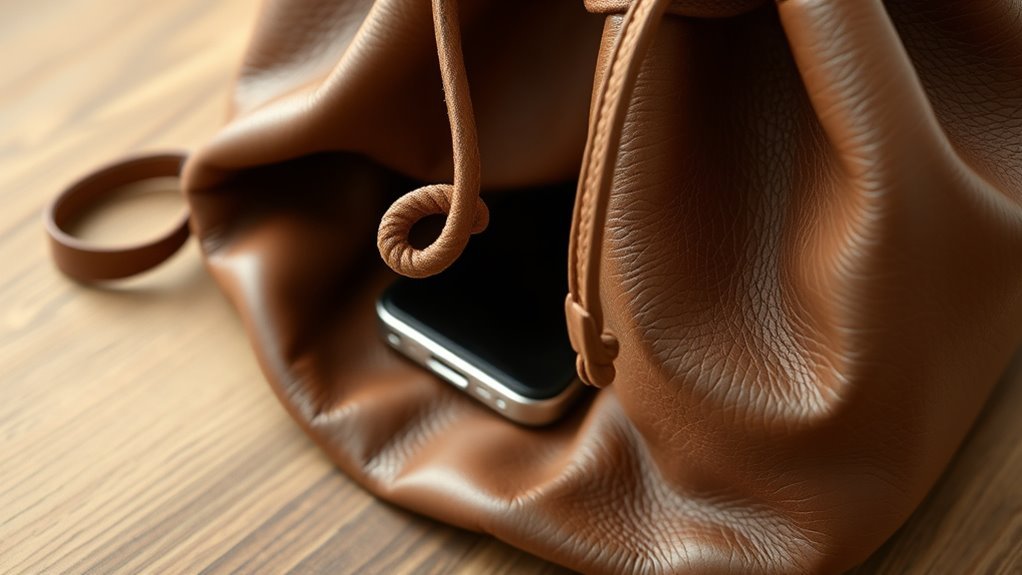
Your bucket bag drawstring won’t stay closed when the cord, channel, and fabric don’t generate enough friction or tension. A smooth, thin cord can slip through a loose or uneven channel, while slippery fabric or a sagging opening weakens the grip. Wear, misaligned seams, or poor knotting can also let it loosen under load. A thicker cord, tighter channel, cord stop, or reinforcement at the opening can improve retention, and the details matter.
Why a Bucket Bag Drawstring Won’t Stay Closed
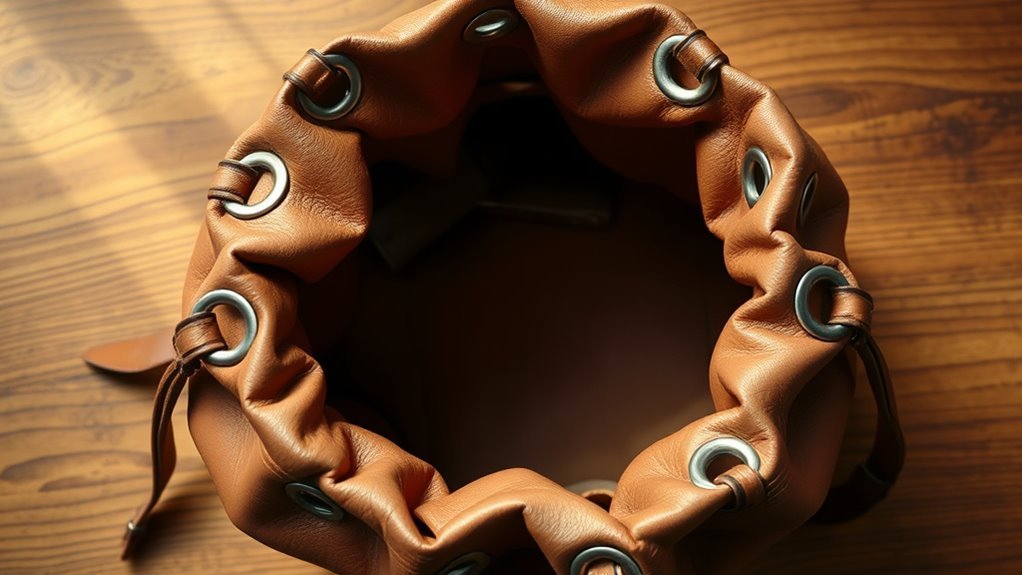
A bucket bag drawstring won’t stay closed when the system lacks enough friction and tension to hold the cinch in place. You’re usually seeing a mismatch between drawstring materials and the bag design.
A smooth, slippery cord can glide through the channel instead of biting into it, so the closure loosens under load. If the drawstring runs too long, you can’t build enough tension to lock the opening.
A smooth, slippery cord can glide through the channel, loosening the closure when there isn’t enough tension to hold it.
A narrow, oversized, or uneven channel can also limit how far you pull, which leaves the cinch underpowered. When the cord is too thick or rigid, it resists movement and won’t settle into a stable position, so closure becomes unreliable.
Over time, wear can reduce elasticity and weaken retention, making the bag less secure. To stay free from constant readjustment, you need a drawstring system that matches the channel, length, and friction demands of the bag.
Check the Fabric and Bag Structure
You should first assess the fabric, because slippery materials can reduce friction and let the drawstring slide open under load.
Next, inspect the bag’s structure and channel construction, since a wide opening, weak top reinforcement, or an oversized channel can prevent adequate tension.
If the cord isn’t threaded evenly or lacks a locking element, it won’t hold closure reliably.
Fabric Tension Issues
Fabric tension issues often prevent a bucket bag drawstring from closing securely, especially when the fabric’s weight, weave, or stiffness doesn’t match the cord strength. You need to match fabric elasticity to the load: heavier textiles often need thicker cords and firmer sewing techniques to preserve closure force.
- Check whether the fabric sags at the opening.
- Confirm the cord can pull without excess slack.
- Test for bunching that weakens tension.
- Verify the opening keeps even resistance.
- Reassess tension during stitching, then adjust early.
If the bag lacks enough structural support, the fabric can shift and loosen the closure. Keep the drawstring length precise so you can tighten it fully without drag.
With controlled tension, you reclaim a cleaner, more secure bag opening.
Channel Construction Problems
Even when tension is balanced, a bucket bag won’t close well if the drawstring channel is poorly built. You need a channel wide enough for free travel; if it’s too narrow, you increase drawstring friction and the bag resists closure.
Check channel alignment next: if the seam twists, the cord catches and pulls unevenly. You should also inspect reinforcement, because an unreinforced or soft structure can’t hold tension and lets the cord slip.
Fabrics with excess stretch undermine stability, so the opening won’t stay set. Finish the cord ends cleanly; fraying raises drag and blocks smooth motion.
When you test the bag, pull both sides evenly and verify that the channel supports secure, independent movement without distortion.
Choose the Right Cord for Your Bucket Bag
You should choose a nylon or polyester cord with enough tensile strength to handle the bag’s load without stretching or fraying.
A diameter near 1/4 inch usually gives you reliable closure while still threading cleanly through the channel. A smooth surface reduces snagging during use, and you should verify knot retention under tension before you commit to it.
Cord Strength Matters
Cord strength directly affects how securely a bucket bag closes, so choosing a thicker, more durable cord is essential for maintaining tension and preventing the opening from slipping.
You’ll get better cord durability when you select nylon or polyester, since both deliver higher tensile strength and hold closure under load.
- Thin cords reduce friction and weaken seal integrity
- Smooth cords may need stronger knot strength
- Tug-test the cord before installation
- Durable fibers resist stretch and fatigue
- Stronger cord supports independent, secure carry
If you use a cord that’s too thin, the bag can loosen under movement.
A precise pull test shows whether your drawstring can keep the closure locked and your hands free.
Ease Of Threading
A properly chosen drawstring should balance ease of threading with secure closure: thicker cords add friction and can bind in narrow channels, while smooth nylon or polyester glide more easily through the bag’s openings.
You should match cord types to your bag’s grommets, because a snug fit prevents snagging and preserves motion. If you want liberation from constant retightening, choose a length about 1.5 to 2 times the opening’s circumference, so you can pull, knot, and release without strain.
Slightly textured cords can improve grip, but keep the surface subtle; excess roughness increases drag.
Use disciplined threading techniques: tape the end, stiffen it, or attach a safety pin. Then test the cord through the full path before trusting the closure.
Adjust the Drawstring Channel Size
One effective fix is to adjust the drawstring channel size so the cord fits with minimal slack. When you narrow the channel, you increase friction and reduce lateral play, so the closure holds more securely.
Narrow the drawstring channel so the cord fits snugly, increasing friction and keeping the closure secure.
Wider channels create extra clearance, which lets the cord drift and lose tension. If you’re evaluating drawstring materials, choose a thickness that occupies the passage without binding. That balance supports stable closure and cleaner operation.
- Measure the current channel width precisely
- Compare it against your cord diameter
- Inspect stitching for uneven tunnel width
- Remove obstructions inside the channel
- Consider targeted channel modifications for a tighter fit
You can also test a thicker cord to fill space more completely, but keep movement smooth. A well-sewn, unobstructed channel lets you keep control without relying on constant adjustment.
Add Cord Stops, Clamps, or Ties
If the drawstring still slips after you’ve adjusted the channel, adding cord stops, clamps, or ties can lock the closure in place. You can thread cord stops onto each end and set the tension to match the bag’s load, so you keep control without sacrificing access.
Those cord stop benefits include adaptable closure pressure and better retention when contents shift. If you want a firmer hold, use clamps; clamp advantages include fixed positioning and resistance to gradual loosening over time.
For a fast, low-tool option, tie the ends with a bow or knot. That method works well for daily carry, though you may need to retie it after repeated use.
Rethread a Drawstring That Pulled Out
When a bucket bag drawstring pulls out, the cord is usually worn or was threaded incorrectly, so replacement is often the most reliable fix. You can restore function by tracing the channel and applying deliberate rethreading techniques with a rifle pull through or similar guide.
Tie a tight loop at the new cord’s end; that gives you a clean lead through the sealed tunnel and reduces friction. If the original cord came out fully, measure before cutting so the new line spans both sides with enough length for closure, but not so much that it hangs loose.
- Inspect the channel for twists
- Match cord diameter to the original
- Use a looped leader for threading
- Pull gently to avoid snags
- Check drawstring maintenance routinely
This approach keeps you in control, reduces dependency on repairs, and preserves the bag’s everyday utility.
Reinforce the Closure So It Stays Shut
To keep a bucket bag closed more reliably, upgrade the closure hardware and structure rather than relying on cord tension alone.
Choose thicker drawstring materials with more surface friction; they grip the channel better and resist backsliding. Add a toggle or cord lock so you can set precise tension without constant retightening.
Choose thicker drawstrings and add a cord lock for firmer hold and easier, more reliable cinching.
If you want stronger retention, tie a double knot after cinching the bag; this simple closure technique limits gradual loosening during movement.
You should also sew a dedicated top channel so the cord tracks cleanly and can’t wander out of position.
Then reinforce the fabric around the opening with interfacing to stabilize the edge and reduce deformation under load.
These changes don’t just improve function; they give you control, durability, and the freedom to move without checking your bag every few minutes.
Frequently Asked Questions
How to Fix Uneven Drawstrings on a Hoodie?
You can fix uneven drawstrings by equalizing ends, straightening twists, and rethreading with a safety pin. Use precise hoodie adjustments and drawstring techniques to rebalance tension, then retie knots so both sides stay synchronized.
Why Is It Difficult to Hold a School Bag Having a Strap of Thin and Strong String?
You’re fighting a wire-like tether: a thin strap concentrates load, increases drawstring tension, and reduces friction. Its thin strap durability helps strength, but not comfort, so it digs, slips, and fatigues your shoulder.
How Do You Tighten a Drawstring Bag?
You tighten it by pulling both drawstrings evenly, then securing them with a cord lock. Check drawstring materials and bag design for friction, adjust slack, and replace worn cords to keep closure stable.
How to Lock a Drawstring Bag?
You lock it like a vault: tie the drawstring ends in a tight knot, add a cord lock, and use stop beads. Test drawstring materials and securing techniques regularly, and you’ll keep it secure.
Conclusion
In the end, your bucket bag drawstring won’t stay closed if the fabric, cord, or channel creates too much slack or friction loss. Check the bag structure first, then match the cord diameter to the channel size. Add cord stops or ties if needed, and reinforce weak anchor points. If the drawstring has slipped out, rethread it carefully. Think of the closure like a seatbelt: it only works when every part fits and locks correctly.

