
A tire inflator that suddenly goes dead often has a simple electrical problem: a blown fuse in the 12V plug, a blown vehicle accessory-outlet fuse, a weak power source, or an overheated motor. The safe fix is to check the power connection first, inspect the fuse, and replace it only with the exact fuse type and amp rating listed on your inflator or in its manual.
Quick Answer
If your tire inflator will not power on, unplug it and check the user-accessible fuse. For many 12V inflators, the fuse sits inside the plug adapter. Replace it only with the same amp rating, voltage rating, size, and style. If the new fuse blows again, stop using the inflator and inspect the power outlet, cord, plug, and motor.
Key Takeaways
- A blown fuse is usually caused by excess current, a short circuit, overheating, a dirty or loose 12V socket, or using a power source that is not rated for the inflator.
- Do not guess the replacement fuse rating. Match the fuse label or manual exactly; using a higher-amp fuse can overheat wiring and damage the inflator.
- Many 12V inflators hide the replaceable fuse inside the plug tip, while the vehicle’s own accessory-outlet fuse may be in the vehicle fuse box.
- If the inflator runs but does not inflate, the problem is usually the hose, valve connection, tire leak, or weak motor—not the fuse.
- Follow the duty cycle in the manual. A common limit on compact 12V inflators is short continuous use followed by a cool-down period.
At a Glance
| Time Required | 5–15 minutes for a user-accessible plug fuse |
| Difficulty | Easy, if the fuse is designed to be replaced by the user |
| Tools Needed | Owner’s manual, matching fuse, flashlight, non-conductive probe, and optional multimeter |
| Cost | Low for a fuse; higher if the inflator, cord, plug, or vehicle outlet needs repair |
Warning: Never bypass a fuse, wrap it in foil, or install a higher-amp fuse “just to get it working.” A fuse is an overcurrent safety part. If it opens repeatedly, there is likely a fault that needs to be fixed before the inflator is used again.
What Causes a Blown Fuse in Tire Inflators?
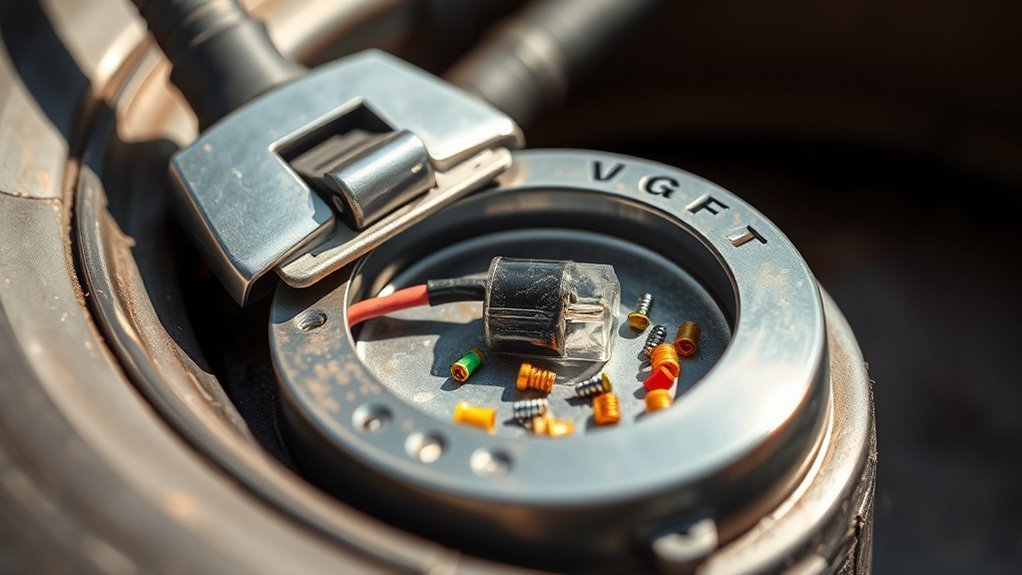
A blown fuse in a tire inflator means current rose above what the fuse was designed to carry. That can happen for several reasons, and the cause matters because simply replacing the fuse may not solve the underlying problem.
Overload From Running Too Long
Small portable inflators work hard. If you inflate several tires in a row, start with a completely flat tire, or block the air intake, the motor can overheat and draw more current. Many compact 12V inflators have a duty cycle, such as running for a limited number of minutes and then cooling down. For example, one 12V tire inflator manual tells users not to run the unit continuously for more than 10 minutes and to let it cool for about 25 minutes between uses.
Wrong or Weak Power Source
A 12V inflator needs a power outlet rated for the inflator’s current draw. Some models require a 12V accessory outlet rated at 15 amps or higher. If the vehicle outlet, battery, adapter, or extension setup cannot supply steady power, the inflator may run slowly, overheat, or blow a fuse.
Dirty, Loose, or Corroded Connections
Dirt, corrosion, tobacco debris, or a loose 12V plug can create resistance and heat at the connection. That can make the inflator work harder and may cause intermittent power loss. Check both the plug and the receptacle before assuming the inflator itself has failed.
Short Circuit or Damaged Cord
A pinched cord, cracked insulation, damaged plug, wet connector, or internal motor fault can create a short circuit. In that case, the fuse is doing its job by opening the circuit before more damage occurs. Littelfuse explains that fuses protect circuits from overcurrent conditions, including overloads and short circuits.
Incorrect Replacement Fuse
If someone previously installed the wrong fuse type, wrong size, or wrong amp rating, the inflator may fail again. A fuse must match the manufacturer’s specifications. The current rating, fuse style, physical size, and voltage rating all matter.
A blown fuse is not the problem to defeat; it is the warning sign that the inflator, power source, or wiring may be drawing more current than it should.
How to Identify a Blown Fuse in Your Inflator
The most common sign of a blown tire inflator fuse is simple: the device does not turn on at all. However, a dead inflator can also be caused by a vehicle outlet fuse, low battery voltage, a bad charger, or an overheated motor. Use this checklist before replacing anything.
- No lights, display, or motor sound: The inflator is not receiving power, the plug fuse is blown, the vehicle outlet fuse is blown, or the power source is weak.
- Inflator runs slowly: The motor may be overheated, the battery voltage may be low, or the outlet connection may be poor.
- Inflator runs but does not inflate: Check the hose connection, valve stem, tire leak, hose cracks, and fittings before blaming the fuse.
- Fuse looks dark, broken, or separated inside: A glass fuse may show a broken filament or darkened glass.
- Fuse fails a continuity test: A multimeter set to continuity or resistance can confirm whether the fuse is open.
Note: Some cordless inflators do not have a user-replaceable fuse. If your model uses a battery pack, check the charger, battery charge level, and manual before opening the unit. Do not disassemble a sealed inflator unless the manual specifically says the part is user-serviceable.
What Fuse Does a Tire Inflator Use?
There is no single fuse rating for every tire inflator. Some compact 12V models use a small glass cartridge fuse inside the plug adapter, while other inflators use blade fuses, vehicle fuse-box protection, built-in thermal protection, or no user-replaceable fuse at all.
| Inflator Type | Where to Check | What to Match |
|---|---|---|
| 12V plug-in inflator | Tip of the 12V plug adapter and the vehicle accessory-outlet fuse | Fuse type, amp rating, voltage rating, and physical size |
| 120V home/garage inflator | Manual, plug, reset button, or service panel if user-accessible | Manufacturer-specified fuse or reset procedure |
| Cordless inflator | Battery, charger, contacts, and manual | Correct charger, battery voltage, and any stated protection fuse |
| Heavy-duty clamp-style inflator | Inline fuse holder near battery clamps or power cord | Exact fuse rating and cable condition |
For example, Slime’s 12V Standard Tire Inflator manual specifies a 15A, 250V, 5mm × 20mm replacement fuse for that model. Your inflator may be different, so use the manual, fuse label, or product sticker as the authority.
Pro Tip: Before you remove the old fuse, take a photo of its markings and how the plug tip, spring, cap, and fuse fit together. Small plug parts can pop out or go back in the wrong order.
Step-by-Step Guide to Replacing Your Tire Inflator Fuse
To replace a blown fuse safely, start with the inflator unplugged and cool to the touch. These steps apply to many user-accessible 12V plug fuses, but your owner’s manual comes first.
| Step | Action | Notes |
|---|---|---|
| 1. Disconnect power | Unplug the inflator from the vehicle outlet, wall outlet, or battery source | Never work on the fuse while connected to power |
| 2. Let it cool | Wait until the motor, plug, and cord are cool | Heat can indicate overload or poor connection |
| 3. Locate the fuse | Check the 12V plug tip, inline holder, or user-accessible fuse cover | Do not open sealed housings unless the manual allows it |
| 4. Remove the old fuse | Unscrew the plug tip or open the holder and remove the fuse | Watch for a spring or small cap inside the plug |
| 5. Inspect and test | Look for a broken filament, dark glass, melted plastic, or no continuity | A multimeter is helpful but not always required |
| 6. Insert the exact replacement | Use the same fuse type, size, amp rating, and voltage rating | Never install a higher-amp fuse |
| 7. Reassemble | Tighten the plug tip, fuse holder, or cover securely | Loose parts can cause heat and intermittent power |
| 8. Test briefly | Plug in the inflator and run it for a few seconds | Stop immediately if the fuse blows again, the plug gets hot, or you smell burning |
How to Test the Fuse With a Multimeter
Set the multimeter to continuity mode. Touch one probe to each end of the fuse. A good fuse should beep or show very low resistance. A blown fuse usually shows no beep or an open reading. If you do not have a multimeter, a visual inspection may still reveal a broken filament, but some failed fuses look normal.
What to Do If the New Fuse Blows Immediately
If the replacement fuse blows right away, do not keep feeding the inflator new fuses. Check for a damaged cord, melted plug, dirty socket, wrong outlet rating, stuck compressor, blocked air intake, or internal short. If the problem is inside the unit and the manual says there are no user-serviceable parts, contact the manufacturer or replace the inflator.
Why Regular Maintenance Is Crucial for Your Inflator
Replacing a blown fuse is only one part of keeping your tire inflator reliable. Regular maintenance helps prevent the high resistance, overheating, and overloading that can lead to electrical failure.
- Clean the 12V plug and outlet: Remove debris with a non-conductive tool. Do not scrape inside a live socket with metal.
- Inspect the cord: Look for cuts, crushed spots, exposed wire, melted plastic, or a plug that feels loose.
- Check the air hose: Cracks, leaks, and loose fittings make the motor run longer than necessary.
- Follow the duty cycle: Let the inflator cool between uses, especially after filling a low or large tire.
- Use the correct pressure: Inflate tires to the vehicle manufacturer’s recommended cold pressure, which NHTSA says is found on the vehicle tire placard or in the owner’s manual, not the number molded into the tire sidewall.
- Store it dry: Moisture in the plug, switch, or motor can cause corrosion and electrical faults.
How Surge Protectors Can Save Your Tire Inflator
Surge protection can help in the right situation, but it depends on the type of inflator. A household surge protector is useful only for inflators that are designed to plug into a 120V AC wall outlet. It will not help a 12V inflator that plugs into a vehicle accessory socket.
Prevent Voltage Spikes
For a home or garage inflator that uses AC power, a quality surge protector can help protect electronics from voltage spikes. UL Solutions notes that not all power strips are surge protectors, so check the label and rating. Also avoid overloading power strips or using damaged cords.
For a 12V inflator, focus on the vehicle power path instead: a healthy battery, a clean accessory socket, the correct outlet rating, and the correct vehicle fuse. Never start the vehicle while the inflator is already plugged into the 12V socket unless your manual specifically allows it.
Extend Device Lifespan
The best way to extend inflator life is to reduce heat and electrical strain. That means using the right power source, keeping connections clean, letting the motor cool, and avoiding long continuous runs.
| Protection Step | Why It Helps |
|---|---|
| Use the outlet rating required by the manual | Prevents low-voltage operation and nuisance fuse failures |
| Let the inflator cool between tires | Reduces motor heat and current draw |
| Clean plug and socket contacts | Reduces resistance, heat, and intermittent power |
| Use a real surge protector for AC models | Helps protect electronics from voltage spikes |
| Avoid damaged or overloaded extension cords | Reduces fire and overheating risk |
Note: Extension cords and power strips must be rated for the load and used safely. The Electrical Safety Foundation International advises against overloading extension cords, running them through water or snow, or using them as a substitute for permanent wiring.
Practical Tips to Prevent Tire Inflator Malfunctions
Most tire inflator problems are easier to prevent than repair. Use these habits to reduce blown fuses, overheating, and weak inflation performance.
- Check the tire pressure before you start: A nearly flat tire makes the inflator work much harder than a tire that only needs a small top-off.
- Keep the engine and ventilation rules in mind: If your inflator manual says the vehicle should be running, use it only outdoors or in a well-ventilated area. Vehicle exhaust in a garage can be deadly.
- Do not leave the inflator unattended: Watch the pressure gauge and shut it off at the recommended pressure.
- Use the correct charger for cordless models: A mismatched charger can damage the battery or cause charging failure.
- Keep air vents clear: Blocked intake or output vents increase heat and can shorten motor life.
- Avoid rain and wet ground: Water and electricity are a bad combination, especially with AC-powered inflators.
- Carry spare fuses only if you know the correct type: Keep the exact replacement fuse listed in your manual with the inflator.
Next Steps If Your Inflator Still Isn’t Working?
If your tire inflator still does not work after the fuse is replaced, use the symptoms to narrow down the fault.
The Inflator Has No Power
- Check that the plug is fully seated in the 12V outlet.
- Try a different rated outlet if your vehicle has more than one.
- Check the vehicle accessory-outlet fuse in the vehicle fuse box.
- Inspect the inflator plug for a loose tip, missing spring, or melted contact.
- For cordless models, recharge the battery with the manufacturer-specified charger.
The Inflator Runs Slowly
- Let the inflator cool if it has been running for several minutes.
- Check the vehicle battery condition if using a 12V model.
- Remove dirt or corrosion from the plug and receptacle.
- Make sure the air intake and output are not blocked.
The Inflator Runs but Does Not Inflate
- Make sure the hose connector is tightly seated on the valve stem.
- Listen for air leaks at the hose, chuck, fittings, or tire.
- Check whether the tire bead has separated from the rim if the tire is completely flat.
- Inspect the hose for cracks or breaks.
The Fuse Keeps Blowing
A fuse that keeps blowing is a warning sign. Stop using the inflator and inspect for a short, damaged cord, wrong replacement fuse, weak or dirty socket, overheated motor, or internal failure. If the manual says there are no user-serviceable internal parts, do not open the inflator housing. Contact customer support, use the warranty if available, or replace the unit.
Frequently Asked Questions
Why does my tire inflator keep blowing fuses?
A tire inflator that keeps blowing fuses may have a current overload, short circuit, damaged cord, dirty 12V socket, weak vehicle battery, blocked air path, overheated motor, or incorrect replacement fuse. If the correct fuse blows again immediately, stop using the inflator until the cause is found.
What is the main reason for a blown fuse?
The main reason is overcurrent. In a tire inflator, overcurrent can come from motor overload, a short circuit, poor electrical connections, low voltage that makes the motor work harder, or running the unit longer than its duty cycle allows.
Why did my tire inflator stop working?
Your tire inflator may have stopped working because of a blown plug fuse, a blown vehicle outlet fuse, a loose plug, dirty contacts, a weak battery, an overheated motor, a dead cordless battery, or internal damage. Start with the power source and fuse before assuming the motor failed.
How do I replace a blown tire inflator fuse?
Unplug the inflator, let it cool, locate the user-accessible fuse, remove it, and replace it with the exact same type, amp rating, voltage rating, and physical size. For many 12V inflators, the fuse is inside the plug tip. Reassemble the plug securely before testing.
Can I use a bigger fuse in my tire inflator?
No. A bigger fuse can allow too much current to flow before the circuit opens. That can overheat the cord, plug, socket, or motor. Always use the fuse rating specified by the manufacturer.
Where is the fuse on a 12V tire inflator?
On many 12V tire inflators, the fuse is inside the plug adapter that goes into the vehicle accessory socket. The tip of the plug may unscrew so you can remove the fuse. Your vehicle may also have a separate fuse for the 12V outlet in the fuse box.
What if my inflator has no visible fuse?
Check the manual first. Some inflators use internal protection, a reset button, battery protection, or the vehicle’s fuse instead of a user-replaceable fuse. Do not open a sealed inflator body unless the manual says the part is user-serviceable.
Conclusion
A blown fuse in your tire inflator is usually a fixable problem, but it should not be ignored. Check the power source, inspect the plug and socket, replace only the exact matching fuse, and stop if the new fuse blows again. With clean connections, proper cool-down time, the correct outlet rating, and safe inflation habits, your tire inflator is far more likely to work when you need it on the road.
Sources
- Slime 12V Standard Tire Inflator Instruction Manual — fuse location, 15A replacement fuse example, outlet rating, cool-down time, and troubleshooting guidance
- NHTSA TireWise Tire Safety — recommended cold tire pressure and vehicle placard guidance
- Littelfuse Fuseology — fuse ratings, overcurrent protection, overloads, and short-circuit basics
- UL Solutions Guide to Power Strips and Surge Protectors — difference between power strips and surge protectors for AC devices
- Electrical Safety Foundation International Extension Cord Safety Tips — safe use of extension cords and overload prevention

