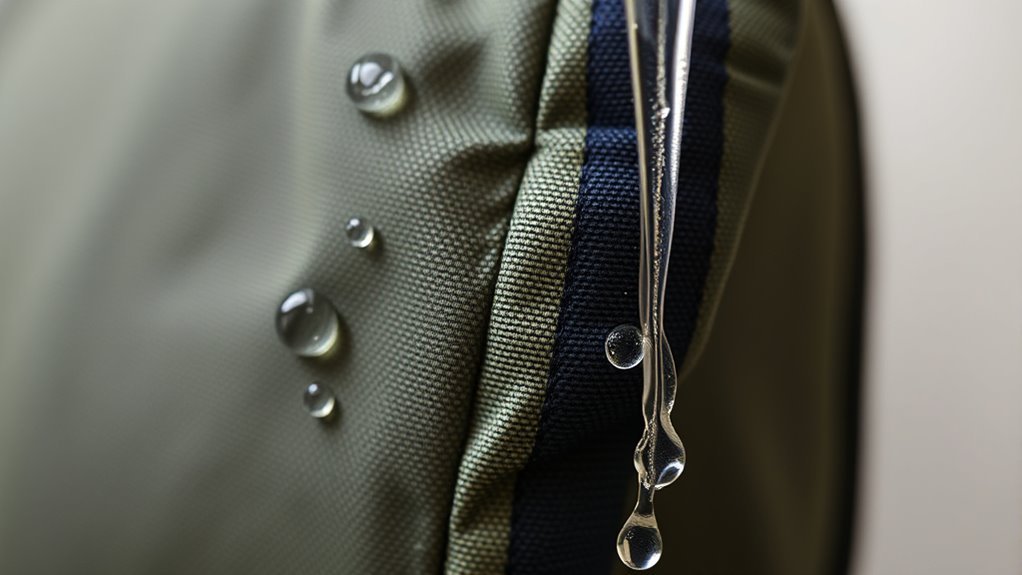
Bag seams greatly affect water resistance and leak prevention. Sealed seams offer airtight protection, while traditional stitching risks moisture entry through needle holes. Taped and welded seams enhance durability and performance, especially against pressure. Closure systems, like roll-tops and waterproof zippers, further bolster resistance. Material choice also plays an important role in seam effectiveness. Regular inspections and maintenance are essential for long-lasting performance. Understanding these factors helps you select the right features for your waterproof needs. Discover more key insights.
The Importance of Seam Quality in Waterproof Bags
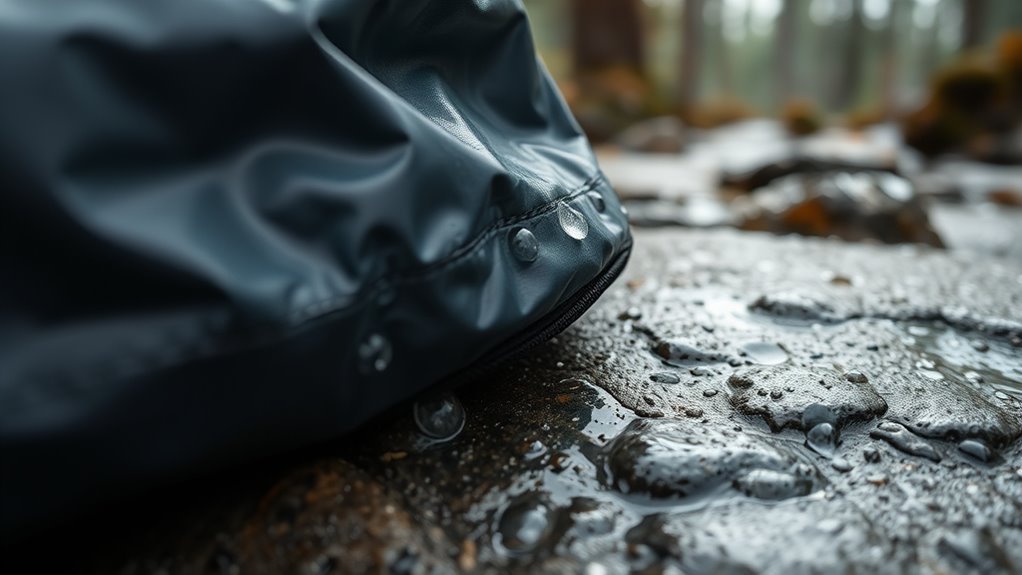
When it comes to waterproof bags, seam quality isn’t just a detail; it’s fundamental for ensuring water resistance. Standard stitching can create needle holes, compromising the bag’s integrity and allowing water to seep in.
Seam quality is crucial for waterproof bags; standard stitching can create holes, risking water seepage and compromising integrity.
In contrast, sealed seams, achieved through advanced waterproof technology like heat or ultrasonic welding, offer 100% airtight protection, making them far superior to traditional sewn seams. Taped seams provide impressive water resistance with ≥99.9% airtightness and are generally lighter, but they may lack the seam durability required for extreme conditions.
Poor seam integrity can lead to leaks even under minimal pressure, emphasizing the significance of construction quality. Regular inspections for bubbles or loose tape are essential; maintaining seam quality keeps your waterproof bag performing at its best.
Investing in high-quality seams is a key step in ensuring your gear remains water-resistant and reliable, allowing you the freedom to explore without concern.
Different Types of Seam Sealing Techniques
Seam quality directly influences the performance of waterproof bags, and understanding different seam sealing techniques is vital.
Heat sealing uses heat to bond fabric layers, creating a watertight seal without stitching, effectively preventing leaks. Ultrasonic welding takes it further, fusing materials at the molecular level for 100% airtight seams, ensuring superior water resistance.
Sewn seams, while flexible, can benefit from taped seams; applying adhesive tape enhances waterproof performance, achieving ≥99.9% airtightness.
It’s important to differentiate between sealed and non-sealed seams—sealed seams undergo treatments to block water penetration, whereas non-sealed seams often become weak points, particularly under pressure.
Ultimately, the effectiveness of waterproof technologies hinges on seam durability; poorly constructed seams can undermine even the best fabrics, leaving you vulnerable to leaks.
Understanding these techniques empowers you to choose more reliable, effective waterproof bags.
How Taped vs. Welded Seams Impact Performance
While both taped and welded seams are designed to enhance water resistance, their performance varies markedly based on construction methods and application scenarios.
Taped seams involve stitching fabric together and covering the stitches with waterproof tape. This method provides high water resistance, but over time, minimal leakage can occur if maintenance is neglected.
In contrast, welded seams use heat or ultrasonic techniques to create a seamless, airtight bond, eliminating needle holes entirely. This results in a superior barrier against leaks, making welded seams markedly more effective, especially in extreme wet conditions.
Generally, bags with welded seams can withstand greater water pressure—up to 1.5 meters—making them ideal for submersion or heavy rain.
Ultimately, your choice between taped and welded seams can greatly influence the durability and longevity of your bag, particularly in demanding environments where water resistance is paramount.
Understanding Closure Systems and Their Impact on Water Resistance
When evaluating water resistance, the type of closure system greatly impacts performance.
Roll-top closures create a watertight seal by efficiently expelling air, while waterproof zippers incorporate protective flaps to prevent leaks.
Understanding these differences is essential for selecting a bag that meets your water resistance needs.
Closure Types Impacting Resistance
Effective closure systems are essential for ensuring a bag’s water resistance, as they directly influence how well it can prevent water ingress.
Closure efficiency hinges on the design innovations employed, such as roll-tops and waterproof zippers. Roll-tops need you to roll them 3–4 times for a watertight seal, capable of withstanding up to 1.5 m of water pressure.
On the other hand, waterproof zippers, often equipped with protective flaps, are critical for blocking water, especially in heavy rain or submersion scenarios.
The effectiveness of these closures is further enhanced by sealed seams that eliminate stitch holes, reducing weak points in water resistance.
Evaluating these mechanisms is significant; inferior closures can severely compromise your bag’s waterproofing capabilities.
Roll-Top Versus Zippers
Choosing between roll-top closures and zippers can greatly impact a bag’s water resistance. Roll-top closures offer significant advantages; they create a watertight seal by expelling air and folding tightly, making them effective against water ingress. In contrast, zippers can present drawbacks, often being weak points unless waterproofed. Properly sealed roll-top bags can withstand water pressures of up to 1.5 m (15 kPa), while zippers typically don’t provide similar protection.
| Feature | Roll-Top Advantages | Zipper Drawbacks |
|---|---|---|
| Water Resistance | Excellent, watertight seal | Weak points without protection |
| Pressure Tolerance | Up to 1.5 m (15 kPa) | Lower pressure limits |
| Filling Requirement | Two-thirds full, rolled 3-4x | No specific requirement |
| Seal Mechanism | Air expulsion | Needle hole leakage potential |
| Maintenance | Low | High, needs upkeep |
The Role of Materials in Seam Construction
While the selection of materials plays a pivotal role in seam construction, it’s essential to understand how different fabrics influence water resistance. Nylon and polyester are popular choices due to their tightly woven structures, which enhance material durability and minimize water penetration.
Techniques like ultrasonic welding or heat sealing create 100% airtight seams, eliminating stitch holes that compromise integrity. Taped seams, though slightly less effective, still achieve over 99.9% airtightness and balance durability with weight, making them suitable for wet conditions.
Moreover, the quality of adhesive used in seam sealing is critical; high-quality adhesives guarantee longevity and watertight performance under pressure. Regular inspection and maintenance are also important; even minor wear can lead to leaks.
Identifying Weak Points in Bag Seams
When evaluating bag seams, you should first consider the common types used, as their construction directly affects water resistance.
Seal integrity is essential; even minor flaws can compromise the entire bag’s performance.
Knowing repair techniques helps you address any weaknesses promptly, ensuring long-term durability.
Common Seam Types
Bag seams play an essential role in determining a bag’s overall water resistance and durability. Traditional sewn seams, while aesthetically pleasing, create needle holes that compromise seam durability, allowing water to penetrate.
In contrast, taped seams utilize waterproof tape to seal these holes, greatly enhancing water resistance to 99.9%. For maximum protection, welded seams—created through ultrasonic or heat welding—offer a seamless bond, achieving 100% airtight integrity.
However, the placement of seams is vital; those at stress points are more susceptible to failure, increasing leak risks. Quality stitching and reinforcement at intersections also bolster seam durability, ensuring your bag can withstand harsh conditions without sacrificing aesthetics.
Understanding these seam types can empower you to choose the right bag for your needs.
Seal Integrity Importance
Understanding seal integrity is essential for ensuring your bag remains watertight, as any weaknesses in the seams can lead to leaks.
Identifying these weak points is key to maintaining seam durability and preventing water penetration.
- Regularly inspect seams for bubbles or loose tape
- Opt for sealed seams over traditional stitching for superior performance
- Choose bags with taped seams to enhance overall seam strength
Repair Techniques Available
Identifying weak points in bag seams is essential for maintaining water resistance. Regular inspections using effective techniques can reveal bubbles or loose tape, indicating compromised waterproofing.
For seam repair, consider specialized patch kits designed for waterproof fabrics to address small holes. Employ waterproof adhesives for enhanced durability, especially in traditional stitched seams, which may allow leaks through needle holes.
Understanding fabric selection and seam construction types—like flat-felled or French seams—can help you pinpoint vulnerabilities.
Prioritize seam maintenance as part of preventive care to extend your bag’s lifespan. By addressing these factors, you guarantee peak performance and resilience against water intrusion, ultimately liberating your gear from the risks of leaks.
Tips for Keeping Your Bag Seams in Top Shape
Maintaining your bag seams is essential for ensuring long-lasting water resistance. Regular seam maintenance protects against leaks and extends your bag’s life.
Regular seam maintenance is crucial for preserving water resistance and prolonging the lifespan of your bag.
Here are some key tips:
- Inspect seams monthly for bubbles or loose tape to identify weaknesses early.
- Use seam sealant products specifically designed for waterproof technologies to enhance watertight integrity, especially after exposure to harsh conditions.
- Store bags flat and away from direct sunlight to prevent UV damage that can degrade seams over time.
What to Look for When Buying Waterproof Bags
When you’re in the market for waterproof bags, key factors can make all the difference in performance and longevity. Focus on these essential aspects to guarantee effective waterproof features:
| Feature | Importance | Recommended Specifications |
|---|---|---|
| Seam Construction | Reduces leak risks | Sealed or welded seams |
| Closure Type | Enhances water resistance | Roll-tops or waterproof zippers |
| Material Durability | Determines longevity and effectiveness | Laminated polyester or PU/PVC/TPU coatings |
Inspect the hydrostatic head rating, aiming for 5,000 mm or more, which indicates a higher resistance to water penetration. Additionally, check for reinforcements at stress points, as these areas are prone to wear and can compromise water resistance if not fortified. By prioritizing these factors, you’ll choose a bag that withstands the elements while guaranteeing your belongings remain dry.
Real-World Scenarios: Choosing the Right Seams for Your Needs
Choosing the right seams for your waterproof bag is essential, especially if you plan to use it in demanding environments. Understanding seam performance can enhance your bag’s reliability in real-world applications. Here are key considerations:
- Seam Type: Opt for sealed seams for superior water resistance, as stitched seams can allow leaks through needle holes.
- Construction Method: Ultrasonic welding offers 100% waterproof seams, perfect for high-stress outdoor use.
- Weight vs. Performance: Taped seams provide over 99.9% airtightness but are heavier than welded options, impacting portability.
Evaluate these factors based on your specific needs. If you’re maneuvering through heavy rain or submersion, invest in bags with high-quality sealed seams.
Frequently Asked Questions
Are Canvas Bags Waterproof?
Canvas bags aren’t waterproof by default. To enhance water resistance, focus on proper canvas bag care, including seam sealing and applying water-repellent treatments. Regular maintenance is essential for keeping your bag effective against moisture.
How to Waterproof Seams?
To waterproof seams effectively, use seam sealing techniques and waterproof tapes, achieving over 99.9% airtightness. Inspect seams regularly to maintain integrity and enhance your bag’s performance against water penetration and potential leaks.
What Fabrics Don’t Absorb Water?
Water-resistant fabrics like polyester and nylon don’t absorb water, while moisture-wicking materials enhance dryness by transporting sweat away. For peak performance, consider coated textiles and tightly woven constructions that effectively block moisture penetration.
What Is a Seam in a Bag?
A seam in a bag is where fabric pieces join, influencing durability. Different seam types and finishes, like taped or welded, determine water resistance, essential for ensuring your bag performs effectively in wet conditions.
Conclusion
In conclusion, the quality of bag seams is vital for ensuring water resistance and preventing leaks. Did you know that nearly 70% of waterproof bag failures stem from seam-related issues? By understanding different seam sealing techniques and recognizing weak points, you can make informed choices when selecting a waterproof bag. Regular maintenance will further enhance your bag’s durability, making it a reliable companion for your adventures. Prioritize seam integrity, and you’ll keep your essentials safe and dry.