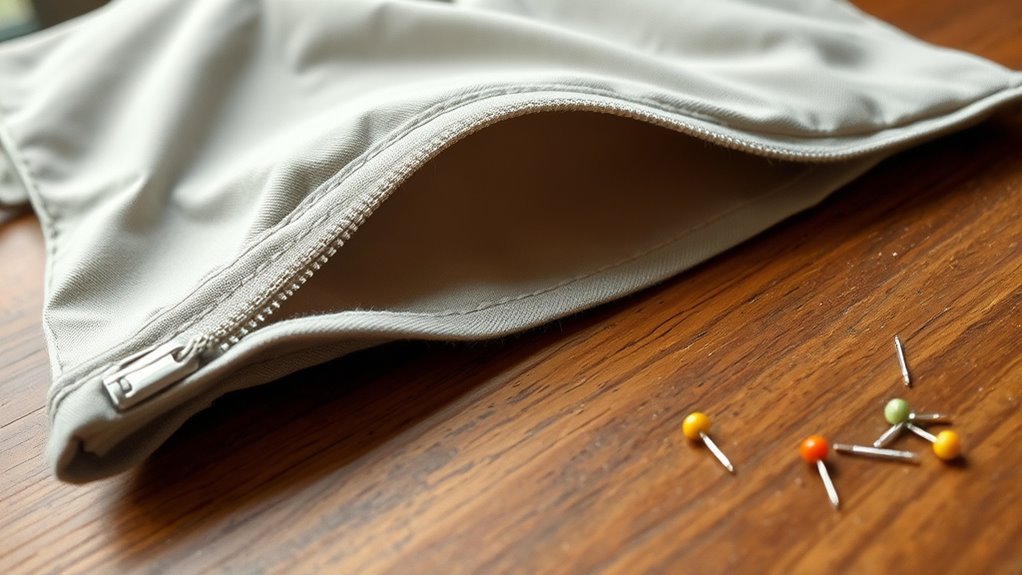
Your purse zipper ripples because the zipper tape and bag fabric don’t stretch or recover at the same rate, so the seam takes on uneven tension and puckers. Stiff regular zipper tape can fight softer fabrics, and poor alignment or inconsistent sewing feed makes the wave effect worse. Washing can amplify it by loosening bonds and shifting the seam. Gentle care helps, but the exact fix depends on the zipper system you use.
Why Purse Zippers Ripple After Sewing?
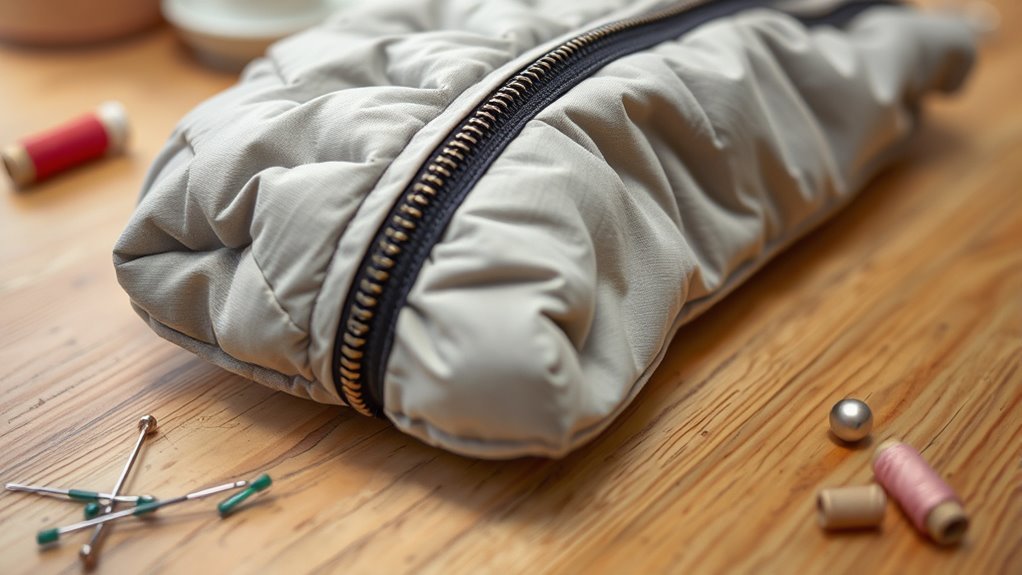
Purse zippers ripple after sewing because the fabric and zipper tape often stretch or recover at different rates, creating tension discrepancies that make the fabric bunch or pucker.
In purse design, that mismatch shows up as a wave effect, especially when stiff zipper materials resist the body of the bag. You’ll see ridged seams and uneven stitch lines when zipper placement isn’t calibrated to the chosen fabric types.
Stiff zipper materials can create wave-like ripples, ridged seams, and uneven stitch lines when they clash with purse fabrics.
Your sewing techniques matter too: inconsistent feed, poor alignment, or mismatched thread choices can intensify distortion. Heavier fabrics often amplify the problem because they push harder against the tape, while lighter fabrics may fail to stabilize it.
Precise seam finishes help, but they can’t fully compensate for incompatible components. Regular maintenance tips, like checking machine tension and replacing worn parts, reduce stress.
If you want smoother closure and less resistance, tape-less systems such as NOTAPE™ can free your construction from rigid constraints.
How Fabric Tension Causes Puckering
When fabric tension around a zipper isn’t even, the material can’t stay flat, so it bunches and puckers instead of laying smooth. You can trace the puckering causes to force imbalances between the zipper tape and the surrounding fabric.
Traditional zippers use stiff tape, and that stiffness resists your fabric’s natural movement, creating ridged seams and wavy stitch lines. As the zipper bulges, you see the wave effect that conventional sewing often treats as normal. It isn’t liberation; it’s mechanical mismatch.
If you keep fabric tension uniform while you sew, you reduce distortion, but standard methods rarely hold that balance long enough. Direct-bond systems like NOTAPE™ remove the tape entirely, so the teeth attach straight to the fabric and don’t introduce the same tension conflict.
That gives you a cleaner seam, fewer ripples, and a more controlled result.
What Washing Does to Zipper Seams?
Washing can turn a marginal zipper seam into a visible problem fast. When you expose a purse to water and agitation, the zipper tape and surrounding fabric respond differently, and that tension mismatch makes the seam bunch, ripple, or bulge.
You may also see the adhesive or stitching bond weaken after repeated cycles, which lets the tape lift and puckers form. If the zipper teeth aren’t firmly anchored, washing can shift them slightly, and even small movement can throw the seam out of alignment.
To reduce damage, use zipper maintenance practices that protect structure: choose gentle cycles, avoid harsh detergents, and limit mechanical stress.
Smart washing techniques don’t just clean the bag; they preserve the geometry that keeps the zipper lying flat. By controlling agitation and chemistry, you keep the seam stable and maintain the clean line your bag deserves.
Why Regular Zippers Create the Wave Effect
You see the wave effect when a regular zipper’s stiff fabric tape pulls against the softer purse fabric, creating a tension mismatch.
As you stitch it in place, that imbalance forces the seam to bunch and pucker, which leaves rippled, ridged lines around the zipper.
Over time, the rigid tape won’t flex with the garment, so the zipper bulges instead of lying flat.
Fabric Tape Tension Mismatch
Regular zippers create ripples because their stiff fabric tape does not move at the same rate as the surrounding fabric, so tension builds along the seam during sewing and later use. You see a mismatch: the tape resists bend, while the bag body keeps shifting, which reduces fabric flexibility and produces the wave effect. This isn’t a defect you caused; it’s a legacy of 130 years of zipper innovation that preserved hard edges.
| Condition | Result |
|---|---|
| Stiff tape | Tension mismatch |
| Fabric motion | Puckering |
| Bulging zipper | Wavy seams |
| Surface finish | Less flatness |
You can expect ridges, bunching, and seam distortion after wear or washing. NOTAPE™ zippers remove that split by bonding teeth directly to fabric, so you get smoother, freer lines.
Stitching Causes Rippled Seams
Stitching amplifies the ripple problem because the zipper tape’s stiffness resists the fabric’s natural movement at the seam.
When you sew a standard zipper, its rigid tape creates tension discrepancies that pull the fabric off balance. You’ll see the zipper bulge instead of lying flat, and that distortion turns into a visible wave effect along the stitch line.
Poor seam alignment makes the issue worse, because the machine locks in those uneven forces before the bag can settle.
After washing, the stiff tape still blocks drape, so ridges and puckers stay or intensify.
Over decades of accepted design, this flaw’s been normalized, but you don’t have to accept it.
Better zipper selection lets you free the seam, reduce distortion, and preserve a clean, controlled finish.
What to Check Before Sewing a Zipper
Before sewing a zipper into a purse, verify that the bag fabric is compatible with the zipper type, since mismatched materials can create tension differences that later cause rippling or distortion. You should treat fabric compatibility as a design constraint, not a guess.
Check zipper alignment against the fabric edges before you stitch; if the tape sits off-center, you’ll invite puckering and lose a flat finish. Use a zipper foot so you can control stitch placement with precision and reduce the wave effect that standard feet often create.
Select a high-quality, tape-less zipper such as NOTAPE™, which bonds directly to the fabric and minimizes bunching at the seam. Before you sew, test the zipper mechanism for smooth travel. If it jams or binds, it’ll load the fabric unevenly and can trigger later rippling.
How to Keep Zippers Flat When Washing
To keep zippers flat during washing, you should use a gentle cycle with cold water, since reduced agitation and lower thermal stress limit puckering and tape distortion.
Close the zipper fully before washing so it retains its alignment and doesn’t snag the surrounding fabric.
Afterward, air dry the bag flat rather than using a dryer, which helps preserve zipper placement and prevents ripple formation.
Gentle Wash Settings
Using a gentle wash cycle helps keep purse zippers flat because it reduces agitation that can pull on the fabric and create tension imbalances around the teeth. You should select a low wash temperature and a gentle agitation profile so the bag moves minimally and the zipper stays aligned.
Place the purse in a mesh laundry bag to shield it from straps, seams, and other items that could tug at the zipper. Before washing, inspect and clean the teeth so debris doesn’t create puckering.
Skip fabric softeners and harsh detergents, since residue can build up and misalign the zipper chain. This controlled process gives you more freedom from preventable distortion while preserving the bag’s structure and keeping the zipper flat.
Dry Flat Afterward
After the wash cycle ends, drying the bag flat helps keep the zipper and surrounding fabric in their original shape. You should first press out excess moisture with a towel, then lay the bag on a level surface. Never hang it; gravity can stretch seams and create ripples near the zipper. Close the zipper before washing, and, if you can, use a mesh laundry bag to stabilize alignment. Your drying techniques should match the bag’s fabric types, since woven and coated materials respond differently to moisture loss.
| Step | Action | Effect |
|---|---|---|
| 1 | Towel-blot | Reduces distortion |
| 2 | Flat dry | Preserves alignment |
| 3 | Avoid hanging | Prevents puckering |
This method protects structure and supports your freedom to wash without fear.
How to Fix a Rippled Zipper Seam
If your zipper seam has rippled, the first step is to identify whether the distortion comes from tension mismatch between the zipper tape and the fabric, since that’s the most common cause of puckering. You can correct it with targeted tension adjustments and disciplined sewing techniques.
- Recheck zipper alignment before you stitch.
- Lengthen your stitch slightly to reduce compression.
- Use a walking foot to feed layers evenly.
- Steam the seam lightly after washing to relax fibers.
- Rese w the zipper with balanced tension for a permanent fix.
If you want a cleaner construction, consider a tape-less zipper design such as NOTAPE™, which removes the stiff tape that often drives bunching.
Work methodically, because precise control over the seam lets you reclaim smooth structure and build a bag that moves freely, without the drag of ripple-prone hardware.
When a Rippled Zipper Needs Rework
A rippled zipper isn’t always a minor cosmetic issue; when the zipper bulges instead of lying flat, the seam usually needs rework. You should inspect the stitching line for tension discrepancies between the fabric and zipper tape, because those rippled zipper causes often show up as uneven seam geometry.
If you see misalignment from the original sewing, you’ll need to open the affected section, realign the tape, and reset the seam with controlled sewing techniques. After washing, check whether the bond has weakened; if it has, partial reattachment or replacement may be necessary.
Don’t wait and let the distortion spread, because delayed correction can increase repair cost and warp the purse structure. In practice, prompt rework protects function, preserves a clean closure, and keeps you from accepting a compromised result.
When the rippling persists after inspection, professional intervention is the most efficient path to restore a smooth, liberated finish.
Why Tape-Less Zippers Stay Flat
Tape-less zippers stay flat because the teeth bond directly to the fabric, so there’s no stiff tape to create puckering, bunching, or the wave effect common in traditional zippers. You get tape less advantages that support seamless construction and keep the closure aligned under stress.
- Direct bonding lowers mismatch between zipper and fabric.
- The lighter profile moves with the textile, not against it.
- No bulky seam means less distortion after sewing.
- Fewer tension discrepancies preserve a flat silhouette.
- Smooth edges improve comfort and functional freedom.
When you choose this design, you reduce the forces that usually drive rippling during washing, wear, and repeated use.
The zipper behaves as part of the garment, not as a rigid insert. That integration helps your purse hold its shape, maintain visual precision, and stay reliable over time.
If you want cleaner lines and less corrective labor, tape-less construction gives you a disciplined, liberation-focused solution.
Frequently Asked Questions
Should Zippers Be Zipped When Washing?
Yes, you should zip zippers before washing. You’ll protect zipper care, reduce snagging, and preserve shape with proper washing methods. You’ll also limit fabric bunching, tooth damage, and tangling, keeping your bag functional and intact.
How Do You Fix a Zipper That Keeps Splitting?
Tighten the slider with pliers, clean the teeth, and straighten misaligned fabric; coincidence often reveals the real fault. Use zipper maintenance tips and repairing zipper teeth to restore closure and free your bag from splitting.
Why Do Pants Zippers Fall Down?
Your pants zipper falls because the slider wears, losing tooth grip; a missing top stop or poor fit worsens it. Use zipper maintenance tips and consider zipper material types to restore holding strength and freedom.
What’s the Point of Zippers on the Bottom of Pants?
You use bottom pant zippers to adjust fit around 68% of ankle openings, boosting mobility and style. They let you adapt silhouette, footwear clearance, and liberation from rigid hems while matching fashion trends and zipper materials.
Conclusion
If your purse zipper ripples after sewing or washing, you’re usually seeing a gentle sign that the seam, tape, and fabric aren’t sharing tension evenly. You can often smooth minor waviness with careful pressing, better stabilization, and lower wash stress. But if the zipper keeps “asking for more” correction, you may need to rework the installation. When you choose a tape-less zipper and control strain early, you keep the finish flatter and more stable.

