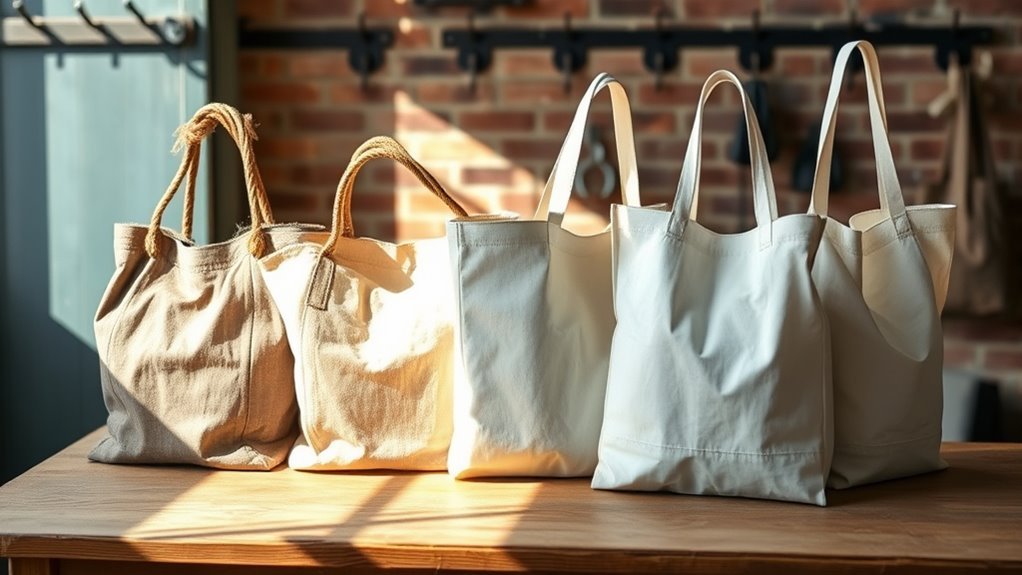
Tote bags began as practical work carriers, originally woven pouches used for transporting goods. Over time, they evolved into everyday essentials, blending utility with personal style. Brands like L.L. Bean popularized the modern tote, while cultural icons transformed them into fashion statements. Today, totes not only reflect individual expression but also address sustainability. As you explore further, you’ll discover how these bags have adapted to contemporary lifestyles and the latest trends shaping their future.
The Humble Beginnings: Origins of the Tote Bag
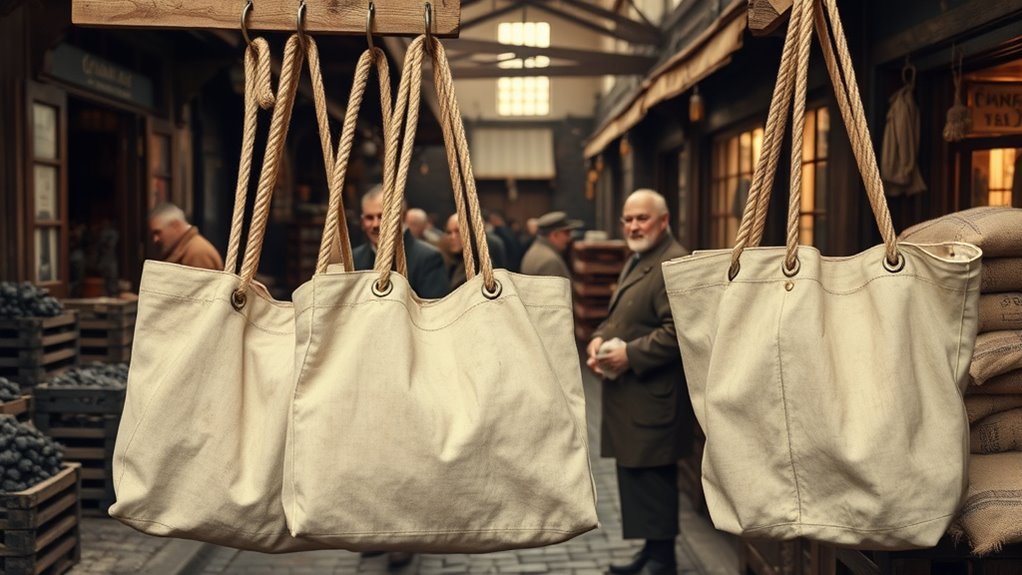
Although tote bags are ubiquitous today, their origins reveal a rich tapestry of cultural significance and practical design. The term “tote,” derived from West African languages, reflects a deep-rooted history of carrying essentials, with “tota” meaning “to pick up” in Kikongo and “tuta” in Swahili meaning “to carry.”
Early prototypes appeared in medieval Europe and colonial America, where woven pouches and canvas sacks facilitated trade and travel. In 1944, L.L.Bean popularized the modern tote with the Ice Bag, designed for carrying ice, marking a change towards functional fashion.
From Utility to Everyday Essentials: The Evolution of Tote Bags
As society shifted towards convenience and sustainability, tote bags evolved from simple utility items into essential accessories that reflect personal style and values.
The functionality evolution began in 1944 with L.L.Bean’s ice-carrying bag, marking the change from mere practicality to a fashion statement. Originally favored by sailors and laborers, tote bags gained traction in the mid-20th century, aligning with social movements like feminism and environmentalism.
These fashion changes embedded them deeper into everyday life, transforming them into symbols of activism and personal expression.
As awareness of plastic pollution grew, reusable tote bags emerged, appealing to eco-conscious consumers seeking alternatives.
Today, totes are versatile, serving multiple functions—whether you’re carrying groceries or a laptop. They’ve become indispensable, marrying style with purpose, allowing you to express your values while maneuvering through modern life.
This evolution highlights not just a change in design, but a shift in how we perceive utility and identity.
Cultural Icons: Tote Bags That Redefined Style
Tote bags have transcended their utilitarian roots to become cultural icons that reflect personal style and societal values. The iconic Strand bookstore tote, with its bold red Helvetica lettering, captures New York City’s literary spirit, showcasing the cultural significance of reading.
In contrast, the Hermès Birkin bag, inspired by Jane Birkin, revolutionized the tote into a luxury emblem, often selling for staggering prices. Bonnie Cashin’s leather designs in the 1960s highlighted the fashion evolution of totes, merging practicality with elegance, while the L.L. Bean Boat and Tote remains a staple in American households, celebrated for its durability.
Today, luxury brands like Louis Vuitton and Dior elevate the tote bag further, transforming it into a canvas for personal expression and status. Each of these iconic bags narrates a story, intertwining functionality with a rich tapestry of cultural significance, inviting you to embrace your unique style.
How Totes Became Fashion Staples in the 20th Century
In the 20th century, tote bags evolved through innovative designs and cultural shifts that shaped their identity.
You see how they changed from utilitarian carriers to symbols of artistic expression and social movements, reflecting broader societal trends.
As luxury brands began to embrace totes, their status transformed, merging functionality with high fashion, making them essential in modern wardrobes.
Design Innovations Over Time
While the modern tote bag emerged in the mid-20th century, its journey to becoming a fashion staple is marked by significant design innovations that reflect cultural shifts and consumer needs.
Functionality improvements and material advancements transformed these bags from simple carriers into essential accessories.
- L.L. Bean’s durable Boat and Tote set a standard for utility.
- The 1960s introduced promotional totes, blending purpose with style.
- The 1970s saw totes embrace activism, carrying messages of change.
- Luxury brands later elevated totes as status symbols.
- The 2000s brought customization, allowing personal expression.
These design innovations not only enhanced practicality but also empowered you to convey individuality and values through your choice of tote.
Cultural Influence and Trends
Throughout the 20th century, tote bags evolved from utilitarian carriers into symbols of cultural identity and fashion. In the 1960s, they became an essential part of activism expression, particularly among feminists and environmentalists advocating for sustainable fashion.
The introduction of printed totes by department stores transformed these practical items into fashionable accessories, reflecting emerging consumer trends. Bonnie Cashin’s leather designs in the 1970s merged functionality with high fashion, influencing luxury brands and elevating the tote’s status.
Tote Bags and Sustainability: The Rise of Reusable Options
As you consider the benefits of reusable tote bags, you’ll notice their significant role in reducing plastic waste and promoting eco-responsibility.
These bags not only offer long-term cost effectiveness but also serve as versatile companions for daily activities.
Their rise in popularity reflects a growing commitment to sustainability, reshaping both consumer habits and brand practices.
Environmental Impact Reduction
The rise of reusable tote bags marks a significant shift in consumer behavior towards sustainability, as these versatile carriers can replace over 500 single-use plastic bags each year. This change reflects a growing consumer awareness of environmental issues, promoting responsible shopping habits.
- Reduce plastic waste and pollution.
- Support sustainable materials like organic cotton and recycled fibers.
- Encourage repeated use, minimizing the need for disposables.
- Empower brands and consumers to embrace eco-friendly choices.
- Create a movement towards a cleaner, healthier planet.
Embracing reusable tote bags isn’t just a trend; it’s a powerful statement of liberation from non-biodegradable materials.
2. Long-Term Cost Effectiveness
While many consumers initially view reusable tote bags as a higher upfront cost, the long-term savings quickly become apparent. Each durable tote can replace over 500 single-use plastic bags annually, drastically cutting waste and enhancing your environmental impact.
You’ll often recoup the average cost of a reusable bag after just a few shopping trips, leading to significant cost savings over time. Their material durability means you won’t need to replace them frequently, allowing you to invest in sustainable options that last for years.
As retailers increasingly impose bag fees for single-use plastics, switching to reusable totes not only liberates you from these charges but also aligns your purchases with a commitment to a greener future.
3. Versatile Daily Use
Though many people initially see tote bags as mere shopping accessories, their versatility quickly transforms them into essential items for daily life. These reusable bags offer everyday convenience and style versatility, allowing you to seamlessly shift between tasks.
Consider how a tote bag can:
- Replace over 500 plastic bags each year
- Carry your laptop to work or school
- Hold gym gear for spontaneous workouts
- Serve as a chic grocery companion
- Reflect your personality through unique designs
With their durable, eco-friendly materials, tote bags not only promote sustainable consumption but also empower your lifestyle choices.
Embracing these versatile carriers means embracing a more liberated, conscious way of living.
Modern Innovations and Design Trends in Tote Bags
As tote bags continue to evolve, you’ll find that modern innovations and design trends not only enhance their functionality but also reflect shifting consumer values. Today’s totes boast functional features like zippers, internal organizers, and adjustable straps, offering modern versatility for various lifestyles. Sustainability is at the forefront, with eco-friendly designs crafted from materials like rPET and organic cotton, appealing to your sense of environmental responsibility.
The table below highlights key trends:
| Trend | Description | Example Materials |
|---|---|---|
| Functional Features | Zippers and organizers for utility | Nylon, Canvas |
| Stylish Materials | Luxury appeal in everyday designs | PU leather, Coated canvas |
| Personalization | Unique prints and embroidery options | Custom prints |
| Minimalist Aesthetics | Sleek designs prioritizing simplicity | Solid colors, Geometric shapes |
| Eco-Friendly Designs | Materials supporting sustainable practices | Organic cotton, Recycled fabrics |
These innovations make tote bags not just practical, but also expressions of personal style.
Why Are Tote Bags Essential in Today’s Lifestyle?
In today’s fast-paced world, tote bags have become essential tools that effortlessly blend practicality with personal style. Their versatility caters to your dynamic lifestyle, whether you’re heading to work, the gym, or the grocery store.
As you embrace a more eco-conscious way of living, tote bags offer incredible benefits:
- Environmentally friendly: One reusable tote can replace over 500 plastic bags annually.
- Minimalist design: They merge style with functionality, making fashion statements without sacrificing utility.
- Durability: Built to last, they withstand daily wear and tear.
- Cultural significance: They symbolize personal expression and social awareness.
- Lifestyle adaptability: Perfect for both work and leisure, they adapt to your changing needs.
Tote bag functionality is key in today’s world, providing a seamless shift between various aspects of life while empowering you to make sustainable choices.
Embrace the freedom of carrying everything you need in style.
Frequently Asked Questions
Who Made the First Tote Bag?
The first tote bag likely emerged from practical designs using canvas origins, evolving from simple carriers into versatile accessories. You can appreciate how this functional item transformed, embodying both utility and style throughout its journey.
Why Are Totes Called Totes?
Totes are called totes because the term reflects their bag evolution, originating from “tota,” meaning “to pick up.” This terminology emphasizes their practical purpose, allowing you to carry items effortlessly while embracing style and convenience.
What Is the History of the L.L. Bean Boat and Tote?
The L.L. Bean Boat and Tote’s design evolved since 1944, transforming from a rugged ice carrier into a versatile, stylish staple. Its durability and minimalist appeal have liberated countless consumers seeking practical, eco-friendly alternatives.
Were Tote Bags Popular in the 80S?
Oh, absolutely! In the ’80s, tote bag trends skyrocketed, merging practicality with vibrant 80s fashion. They became the must-have accessory, embodying a liberating spirit for those embracing urban life and creative expression.
Conclusion
In today’s fast-paced world, tote bags have evolved from simple utility carriers to essential fashion statements, akin to how smartphones transformed communication. You’re not just carrying your essentials; you’re making a statement about sustainability and personal style. Their versatility allows you to shift seamlessly from work to weekend, embodying both function and flair. As you choose your next tote, consider its history and role in shaping modern lifestyles, blending practicality with a touch of your unique identity.