The Toyota 4Runner i-FORCE MAX is the 2025 and newer 4Runner’s hybrid powertrain. It combines a turbocharged 2.4L four-cylinder with a 48-hp electric motor inside the 8-speed automatic, for up to 326 hp and 465 lb-ft of torque. It is a self-charging hybrid: you never plug it in, and it is aimed at drivers who want more torque and better city fuel economy without giving up 4Runner capability.
This guide covers the sixth-generation 4Runner (2025 and newer). The 2010-2024 fifth generation used a 4.0L V6 and had no hybrid option.
i-FORCE MAX at a Glance
| Item | Toyota 4Runner i-FORCE MAX |
|---|---|
| Engine | 2.4L turbocharged four-cylinder |
| Electric motor | 48 hp, integrated into the transmission |
| Battery | 1.87 kWh nickel-metal hydride (NiMH) |
| Output | Up to 326 hp and 465 lb-ft |
| Transmission | 8-speed automatic |
| Drivetrain | 4WD (part-time or full-time, depending on trim) |
| Charging | Self-charging, no plug |
| Towing | Up to 6,000 lb (Toyota) |
| Trims | Standard on Platinum, TRD Pro and Trailhunter; optional on TRD Off-Road and Limited |
What Is the 4Runner i-FORCE MAX?
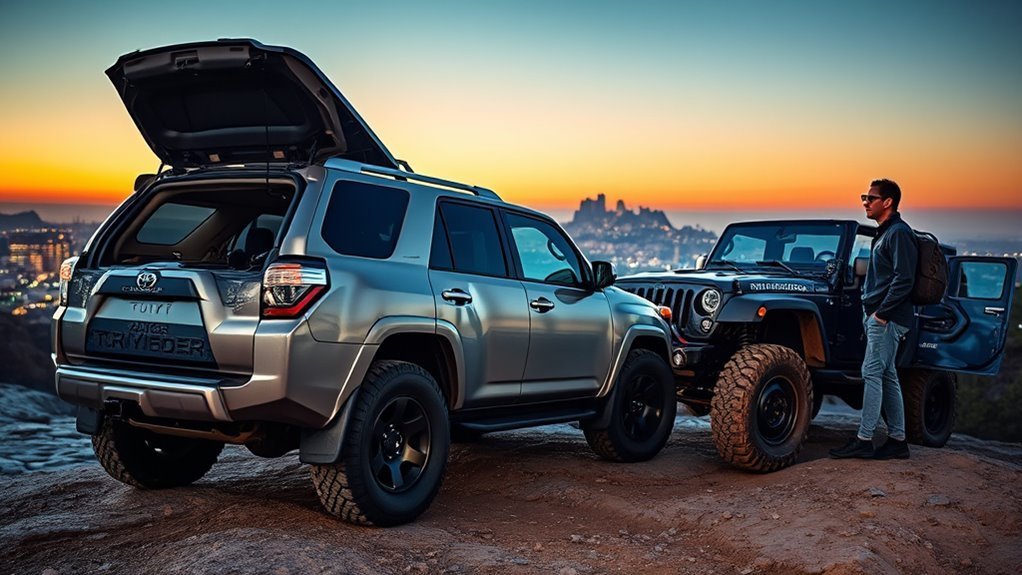
Toyota uses two powertrain names on the new 4Runner. i-FORCE is the 2.4L turbo gas engine, rated at 278 hp and 317 lb-ft. i-FORCE MAX adds the hybrid system on top of that same engine, which raises output to up to 326 hp and 465 lb-ft.
The 4Runner’s hybrid is not a plug-in. It uses regenerative braking and the engine to keep its small battery charged, and the electric motor fills in torque when you accelerate. To compare the two engines in detail, see our guide on 4Runner hybrid vs non-hybrid differences. If you want to know where the name comes from, read what i-FORCE means.
How the Hybrid System Works
- Engine: the 2.4L turbo four-cylinder is the main power source.
- Electric motor: a 48-hp motor sits in the transmission housing and adds torque, especially from a stop and when passing.
- Battery: a small 1.87 kWh NiMH pack stores energy from regenerative braking and engine charging. It is far smaller than a plug-in or EV battery.
- Transmission: an 8-speed automatic, with the motor built into it, so there is no separate hybrid gearbox.
In practice, the motor smooths pulling away in traffic and helps with low-speed control. Because the battery is small, it supports the engine; it does not drive the 4Runner on electricity for long distances.
i-FORCE MAX Performance and Fuel Economy
| Powertrain (2025) | Power / torque | MPG (city / highway / combined) |
|---|---|---|
| i-FORCE 2.4L turbo, RWD | 278 hp / 317 lb-ft | 20 / 26 / 22 |
| i-FORCE 2.4L turbo, 4WD | 278 hp / 317 lb-ft | 19 / 25 / 21 |
| i-FORCE MAX hybrid, 4WD | Up to 326 hp / 465 lb-ft | 23 / 24 / 23 |
| 2024 4.0L V6 (fifth generation) | 270 hp / 278 lb-ft | About 16 / 19 / 17 |
The hybrid’s biggest fuel-economy advantage is in the city, where regenerative braking and electric assist work most. On the highway it is roughly equal to, or slightly behind, the non-hybrid RWD figure. MPG numbers are reported EPA estimates for the base configurations and can change by trim, tires and model year, so check the current window sticker or fueleconomy.gov for your exact vehicle.
Acceleration times vary by test and trim, so treat any 0-60 claim cautiously. The practical takeaway is that the extra torque makes passing, merging and towing easier than on the standard i-FORCE.
Towing and Off-Road Capability
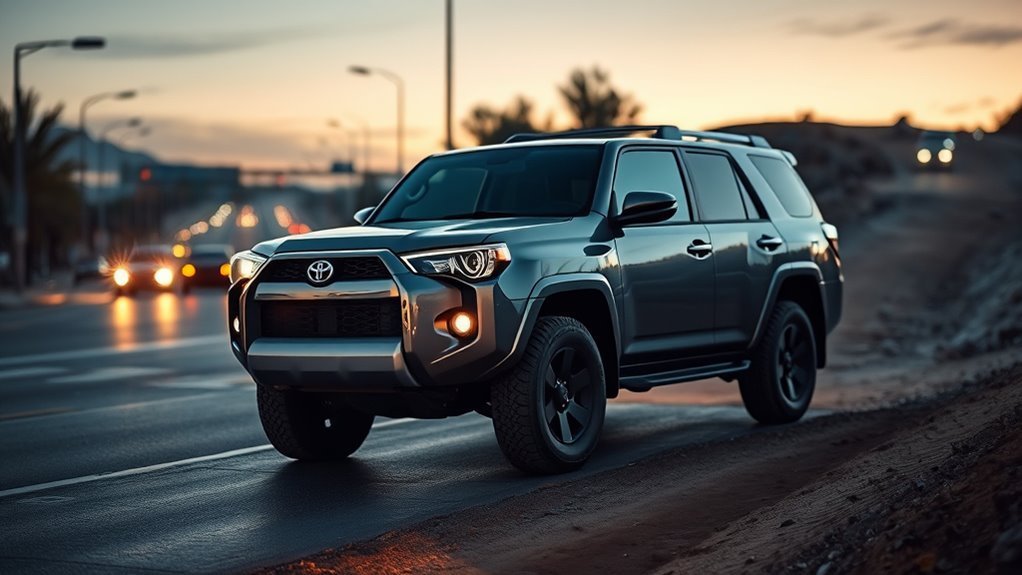
Toyota advertises towing of up to 6,000 lb for the 2025 4Runner, and the i-FORCE MAX models are listed at that top figure. Ratings can differ by trim and powertrain, so your actual limit depends on trim, tow package and equipment, so confirm it in your owner’s manual before towing. For why the frame can handle it, see our guide to 4Runner body-on-frame design.
The hybrid models come with off-road features such as an electronically controlled two-speed transfer case, Active Traction Control (A-TRAC), and, on some trims, an electronic locking rear differential or a full-time 4WD system with a center locking differential. Our A-TRAC off-road guide explains when that system helps.
Which Trims Offer the i-FORCE MAX?
- Standard: Platinum, TRD Pro, Trailhunter
- Optional: TRD Off-Road, Limited (including the Premium variants where offered)
- Not offered: SR5 and TRD Sport use the standard i-FORCE engine
Trim lineups can change between model years, so check Toyota’s current build tool or a dealer before you order.
Is the i-FORCE MAX Worth It? Pros, Cons and Ownership
- Pros: much more torque, better city fuel economy, and no plugging in. Toyota advertises up to 6,000 lb of towing for the 2025 4Runner, but check the rating for your exact trim and powertrain.
- Cons: it costs more than the standard engine, is tied to certain trims, and is not offered with a third row of seats. It also adds hybrid components that need proper care, such as keeping vents and panels near the battery clear.
Choose the i-FORCE MAX if you drive mostly in the city or want the extra power and torque. The standard i-FORCE may suit you if you want a lower price and a simpler powertrain. For battery upkeep, read our 4Runner hybrid battery cooling care guide.
Prices, availability and warranty terms change. Check with your dealer and your warranty booklet for the current coverage on hybrid components.
Frequently Asked Questions
What does i-FORCE MAX mean on the Toyota 4Runner?
i-FORCE MAX is Toyota’s name for the 4Runner’s hybrid powertrain. It pairs the 2.4L turbocharged four-cylinder with an electric motor built into the 8-speed automatic and a small battery. Toyota rates it up to 326 hp and 465 lb-ft of torque. It is a self-charging hybrid, not a plug-in.
Do you have to plug in the 4Runner i-FORCE MAX?
No. The i-FORCE MAX is a conventional hybrid. It charges its small battery through regenerative braking and by using the engine, so you only add fuel at the pump. There is no charge port and no plug-in electric range.
How much more power does the i-FORCE MAX have than the regular i-FORCE?
Toyota lists the standard i-FORCE 2.4L turbo at 278 hp and 317 lb-ft, and the i-FORCE MAX at up to 326 hp and 465 lb-ft. That is roughly 48 more horsepower and nearly 150 more lb-ft of torque, thanks to the integrated electric motor.
Is the 4Runner i-FORCE MAX more fuel efficient?
Yes in the city. The reported EPA figures for the 4WD hybrid are 23 city, 24 highway and 23 combined mpg, versus about 21 combined for the 4WD non-hybrid. The older 4.0L V6 was rated around 17 combined. Real-world results vary with driving, tires and load.
Which 4Runner trims offer the i-FORCE MAX hybrid?
For 2025, Toyota offers it as standard on Platinum, TRD Pro and Trailhunter, and as an option on TRD Off-Road and Limited. SR5 and TRD Sport use the standard i-FORCE engine. Trim availability can change by model year, so confirm with a dealer.
Conclusion
The 4Runner i-FORCE MAX adds torque and city efficiency to the new turbocharged 4Runner without requiring you to plug in. If you want more torque or drive in stop-and-go traffic often, it is the stronger choice. Otherwise, the standard i-FORCE is a simpler, lower-cost option.