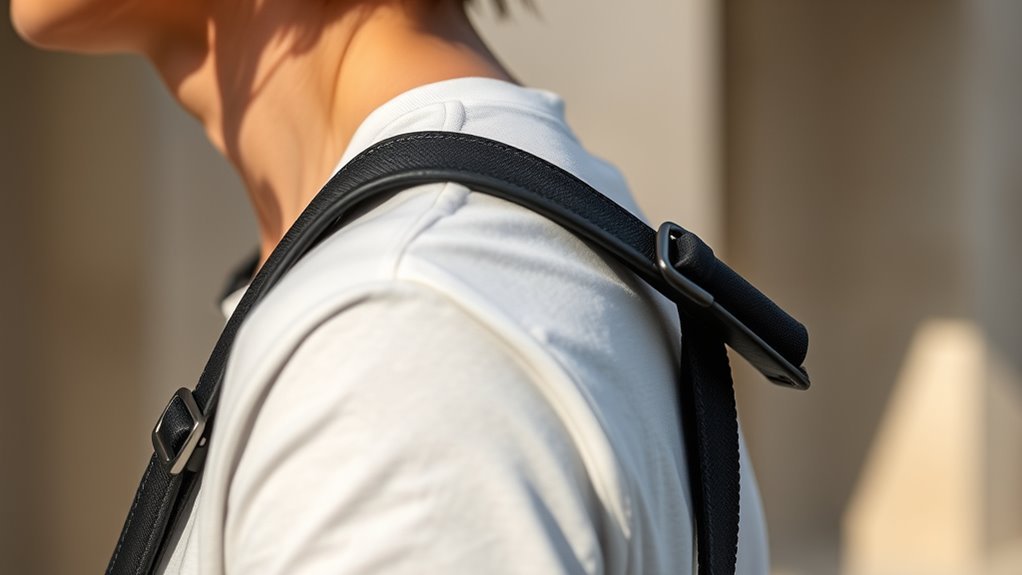
Wider bag straps distribute weight across a larger shoulder area, so you feel less pressure at any one point. Because pressure equals force divided by area, a broader strap lowers peak stress, reduces soreness, and improves comfort during long carries. Thin straps concentrate load, which can create painful pressure points and shoulder marks. For heavier loads, wider, padded, and well-adjusted straps usually work best, and strap shape also affects how efficiently the load sits.
Why Wide Backpack Straps Reduce Shoulder Pain
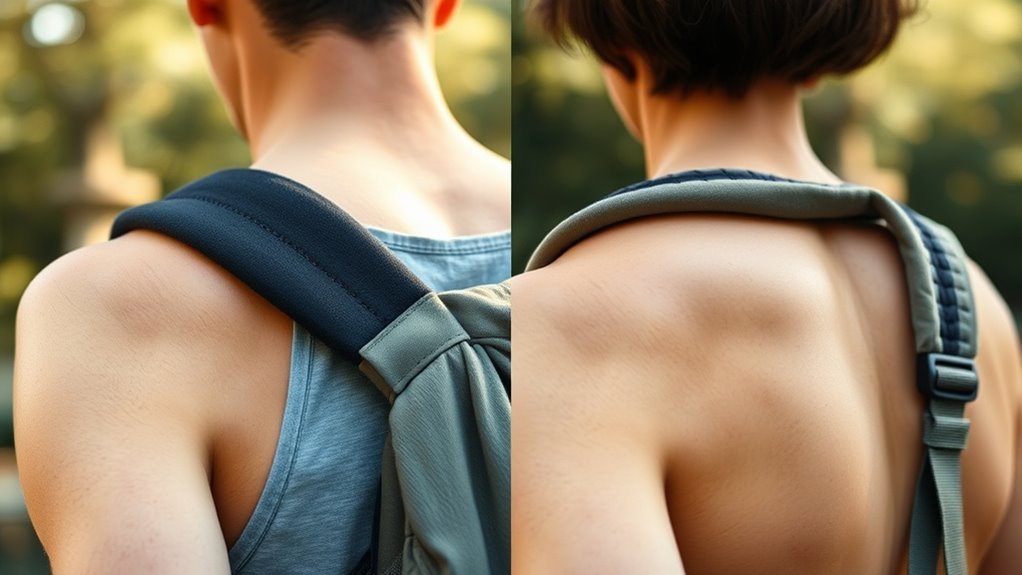
Wide backpack straps reduce shoulder pain because they increase the contact area across your shoulders, which lowers pressure per unit area and reduces localized discomfort. You feel less compression because the load isn’t concentrated into narrow lines that irritate tissue.
In technical terms, wider straps create an inverse pressure relationship: as width rises, force spreads out, and the peak stress on your skin and soft tissue falls. That’s why you can carry heavy textbooks or gear with less soreness over time.
Quality strap materials and ergonomic design matter too, because padding helps maintain that broader interface without collapsing under load. User reports also show fewer shoulder marks after a week of use, suggesting lower friction and strain.
If you want movement without punishment, wide straps support longer wear, better posture, and a more relaxed carrying experience.
How Backpack Strap Width Spreads Weight
As backpack strap width increases, the load is spread across a larger contact area, so the pressure on each point of your shoulders drops. You get a better weight distribution because force no longer concentrates on a narrow band of tissue.
The basic physics is simple: when area rises, pressure falls. That shift lets you carry heavier loads with less localized stress, and it can reduce fatigue during long commutes, lab days, or hikes.
More area means less pressure, letting you carry heavier loads with less strain and fatigue.
Wide straps also help you hold the pack closer to a neutral posture, which supports efficient movement and fewer compensatory habits. Strap material still matters, because a stable surface keeps the load from shifting and preserves that broader contact.
If you want practical relief from shoulder strain, choose straps that balance width, structure, and durability. In use, this design gives you more control, more capacity, and less penalty from every extra pound.
Why Wide Straps Feel More Comfortable
When you use wider straps, they spread the load over a larger surface area, so the pressure on your shoulders drops.
That lower pressure reduces localized strain and makes extended carry time feel more comfortable.
With less force concentrated in one spot, you’re less likely to experience soreness or fatigue.
Pressure Over Larger Area
Because a strap’s contact area directly affects shoulder loading, wider straps feel more comfortable by spreading the bag’s weight over more surface. You get lower pressure per unit area because pressure and surface area move inversely: when area rises, pressure falls. That’s basic mechanics, and it shapes strap design.
Broad straps improve weight distribution across your shoulder, so force doesn’t concentrate in one small zone. Instead, you avoid sharp pressure points that build discomfort during long carries. Evidence shows wider straps reduce soreness and improve the carrying experience, especially with heavy loads or extended wear.
If you want more flexibility in motion and less constraint from your bag, choose a larger contact surface that lets your shoulder bear load more evenly and efficiently.
Reduced Shoulder Strain
Wide straps reduce shoulder strain by spreading a bag’s load over a larger contact area, which lowers localized pressure and cuts the risk of pain during prolonged use. You get better shoulder relief because load distribution shifts force away from one narrow point and into a broader zone.
- Wider straps lower pressure per unit area.
- 2-4 inch straps can reduce strain by up to 50%.
- Padded straps help you keep posture upright.
That matters when you carry books, gear, or travel loads. Narrow straps concentrate force, so your shoulder fatigues faster and you may hunch.
Wide straps help you move freely, stay aligned, and carry longer without discomfort.
How Pressure Builds on Thin Straps
When you use thin straps, they concentrate the bag’s weight onto a smaller contact area, so pressure rises sharply at the shoulders.
Because pressure is inversely related to surface area, less strap width means higher force density and poorer load distribution.
Over time, that concentrated pressure can trigger soreness, fatigue, and more frequent readjustments.
Pressure Concentration
Thin straps concentrate the bag’s load over a smaller contact area, so the pressure on your shoulders rises as strap width decreases. That’s basic mechanics: less width means more force per unit area, and your body feels it fast.
In practical terms, weak strap design can create pressure points, localized soreness, and persistent fatigue when you carry weight for long periods.
- You’ll notice shifting straps that force constant readjustment.
- You may feel soreness where the load compresses tissue.
- You’ll fatigue sooner when the bag stays heavy.
Wider straps work better because they reduce peak loading and help you move with less strain.
If you want comfort and mobility, treat pressure concentration as a design issue, not a personal failing.
Surface Area Effects
Surface area is the key variable here: as strap width narrows, the contact area on your shoulder shrinks, and the same bag weight gets concentrated into a smaller zone.
Because pressure and surface area are inversely related, thin straps raise localized force and create pressure points that you feel as soreness, numbness, or fatigue. You’ll notice this faster when you carry heavier loads or wear the bag for long periods, since the narrow band can’t spread stress evenly.
Wider straps work differently: they enlarge the surface area, lower peak pressure, and distribute load across more tissue.
That technical difference matters for your comfort and control, because a better-designed strap lets you move longer, carry more, and avoid unnecessary strain without surrendering function or mobility.
What Strap Width Works Best for Heavy Loads?
For heavy loads, wider straps—typically over 2 inches—work best because they spread weight more evenly across your shoulder and reduce localized pressure.
- They lower force per unit area, so you feel less strain when you carry more than 20 pounds.
- They improve posture and cut fatigue during longer carries, giving you more control.
- They support freedom of movement by reducing shoulder pain and letting you focus on your route.
You should also assess strap material and strap length, because the right width only performs well when the strap stays stable and fits your body.
Broad straps increase contact area, which helps disperse load and limit discomfort under heavy items.
In practice, you’ll get the best results from straps that match your frame and carry style. Wider isn’t always better, but for demanding loads, it’s the clearest evidence-based choice.
Padded vs. Unpadded Backpack Straps
Padded backpack straps usually distribute weight more evenly across your shoulder, so you feel fewer pressure points and less fatigue during long carries.
You get measurable padded benefits because the cushioning spreads load across a larger contact area, which lowers peak pressure and improves comfort during commuting or hauling gear.
Dense padding performs better than bulky foam, since it resists compression and keeps support consistent over time.
By contrast, unpadded drawbacks show up fast: the strap concentrates force onto smaller tissue zones, and that can raise discomfort, soreness, and fatigue under heavy loads.
If you carry daily, padded straps usually give you a more stable, less punishing interface with the pack.
You’re not buying softness alone. You’re choosing better weight distribution, better endurance, and less shoulder strain.
How Strap Fit Affects Shoulder Alignment
Strap padding can improve comfort, but fit determines whether the load sits where it should on your body. When your bag matches shoulder width, you keep the straps centered, protect alignment, and cut strain across the neck and upper back.
Narrow strap types can dig into soft tissue, raise pressure peaks, and pull you out of neutral posture. Broad strap types spread force over a larger contact area, so your shoulders stay level and your torso works less to compensate.
Narrow straps can dig in and disrupt posture, while broad straps spread load and help keep you aligned.
- Check that strap edges don’t sit beyond the shoulder joint.
- Use adjustment techniques to keep the bag stable as your load changes.
- Add a sternum strap if lateral shift keeps disrupting alignment.
You don’t need discomfort to carry gear well. Regular fit checks help you adapt to body changes, maintain posture, and keep movement freer, especially when you’re commuting, studying, or working all day.
How to Adjust Backpack Straps Evenly
Even adjustment on both backpack straps helps keep the load centered, reducing pressure differences that can strain your shoulders and back. You should set each strap to the same length during strap adjustment, then check that the pack sits evenly and doesn’t pull to one side.
Align the straps with your shoulder width so they clear your neck and stay from slipping outward. Small changes matter: your body shape, load size, and torso length all affect comfort factors and how the pack settles.
Before long use, inspect the fit and readjust if tension changes, because uneven tension can increase shoulder and back strain. If your pack has a sternum strap, use it to stabilize the load and limit strap movement.
This keeps your movement freer, supports balanced carrying, and helps you carry gear with less friction, less fatigue, and more control.
Why Curved Backpack Straps Fit Better
Curved backpack straps fit better because they follow the natural contour of your chest and shoulders, creating a more ergonomic contact point than straight straps.
You get better load transfer because the strap’s larger surface area spreads force across more tissue, not one hot spot. This ergonomic design reduces localized pressure, so you’re less likely to feel shoulder pain during long carries.
Curved geometry also supports mobility enhancement: as you move, the strap tracks your body instead of fighting it, which keeps the pack steadier in crowds and while turning.
- Less pressure means fewer fatigue signals.
- Better contour matching improves stability.
- Even weight spread supports longer, freer movement.
When you choose curved straps, you’re choosing a setup that works with your anatomy, not against it.
That shift can increase comfort, control, and satisfaction, especially when you carry gear for hours and need your body to stay unburdened.
Frequently Asked Questions
What Is the Recommended Length for Bag Straps?
You should choose a strap length of 28 to 36 inches. That range best supports the comfort factor. Adjustable straps let you fine-tune fit, distribute load more evenly, and reduce shoulder strain.
Why Do School Bags Have White Shoulder Straps?
School bags often use white shoulder straps because they reflect heat like a lighthouse, improving shoulder comfort. Manufacturers choose breathable strap material to cut sweat, boost visibility, and support your freedom to move through long school days.
Do Thick or Thin Straps Look Better on Broad Shoulders?
Thick straps usually look better on broad shoulders. They balance proportions, soften width, and support shoulder aesthetics. You’ll also get better strap style coherence, while thin straps can read sharper and less integrated overall.
How Wide Is a Strap?
A strap’s width is usually 2–3 inches, and you’ll want broader options for heavier loads. Strap materials and strap designs change comfort, pressure, and carry efficiency, so you can choose what best supports your body.
Conclusion
In the end, you can see that wider bag straps spread load over a larger area, which lowers peak pressure on your shoulder and helps reduce fatigue. If you carry heavy gear, a wider, padded strap can feel like night and day because it improves force distribution and stability. When you adjust both straps evenly and choose a curved fit, you’ll support alignment better and limit strain. That small design choice can make a huge difference.
