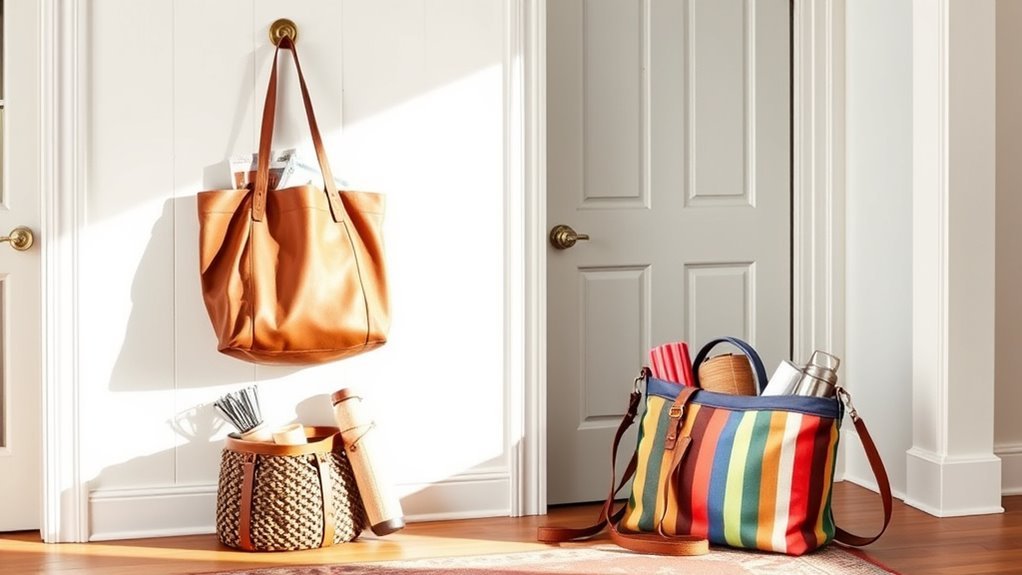
An old handbag can become a storage organizer or a ready-packed kit for a daily task. Use totes for groceries, library books, or gym gear. Use medium bags as a car kit, a first-aid kit, or a craft caddy. Use clutches and small pouches for cables, makeup, or desk supplies. Clean the bag first, check that the handles and lining are sound, and give each bag one clear job.
How to Transform Vintage Handbags Into Stylish Organizers
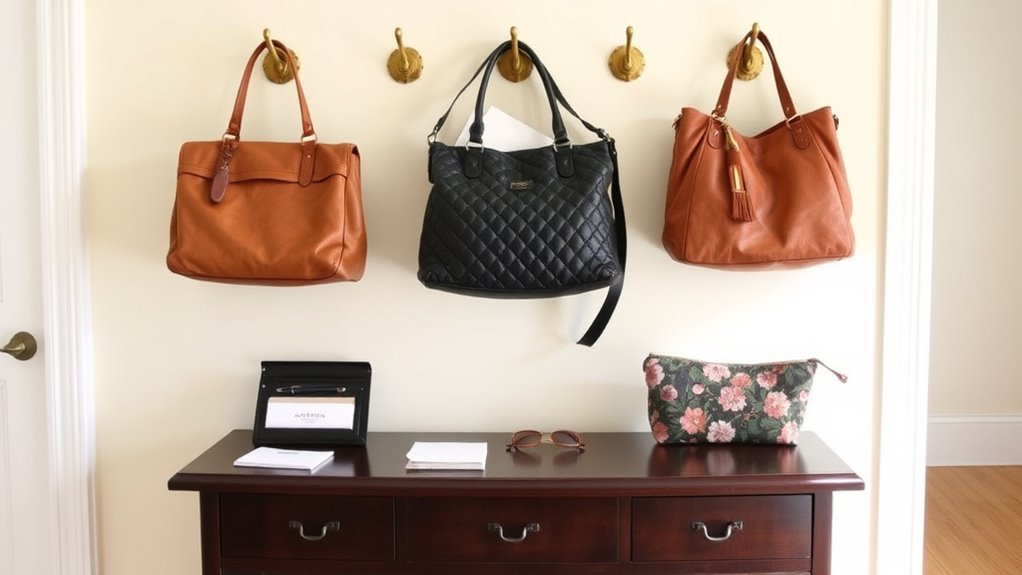
Start with the bags that have some structure, since they stand up on a shelf. Empty the bag, vacuum the lining, and wipe it out. Then add simple dividers. Strips of sturdy cardboard covered in fabric work well, and so do small boxes or pouches set side by side.
You can also drop in a felt bag organizer, which gives instant pockets without any sewing. If you sew, stitch a patch pocket to the lining for pens and small tools.
Good uses for a structured bag include a mail and bill station by the door, a holder for scarves and gloves in a closet, or a sewing and mending kit.
Hang the bag on a sturdy hook, or stand it on a shelf with the opening facing you. Label it if you have several.
Creative Ways to Repurpose Totes for Everyday Use
Totes are the easiest bags to reuse, because they are roomy and open at the top.
Here are some practical jobs for an old tote.
Versatile Storage Solutions
At home, a tote can hold things that need to stay together.
Hang one in the hall for library books and returns. Keep one in the closet for hats, scarves, and gloves. Stand one in the craft corner for yarn and a project in progress. Use one in the car for an emergency kit with a blanket, a flashlight, wipes, and a phone cable.
For groceries, pick a tote with strong handles and seams. Tug the handles hard before you trust them with cans and bottles. A wipe-clean lining is best. Wash or wipe the bag regularly, and carry raw meat in its own bag.
A tote also works as a gym bag, a beach bag, or a pet-walk bag with leads, waste bags, and treats ready to go.
Stylish Travel Organizers
Smaller old bags make good travel organizers inside a suitcase.
Use a zip-top bag for chargers, cables, and adapters. Use another for toiletries, as long as the lining wipes clean. A bag with a firm shape protects sunglasses and small breakables.
A small crossbody that is too worn for daily use can still serve as a travel document bag. It keeps a passport, tickets, and a pen in one place.
Check zips and clasps before a trip. A closure that fails at home is a nuisance. One that fails in an airport is a real problem.
Pack these organizers the same way each time, so you always know where things are.
Upcycling Clutches for Desk and Craft Storage
Old clutches and pouches are the right size for small things. On a desk, a clutch can hold pens, sticky notes, and chargers. An envelope clutch works as a holder for receipts or coupons.
For crafts, use one clutch per type of supply, such as ribbons, buttons, or beads. Clutches with a zip keep small pieces from spilling.
A wristlet can hang from a hook inside a closet door or beside a desk. It is handy for spare keys, hair ties, or earbuds.
Other good uses are a makeup bag, a first-aid pouch with bandages and basic medicines, and a small sewing kit for travel.
Handbags for Grocery Shopping and Storage Solutions
Using an old handbag for shopping saves buying new reusable bags. It works best for small top-up shops, not the weekly load.
Keep these points in mind:
- Choose sturdy handbags: Opt for those with strong handles and enough space to carry your essentials.
- Organize your items: Use smaller pouches within your handbag to keep your groceries separated and easy to access.
- Maintain your handbag: Regular cleaning and care will guarantee your repurposed bag lasts longer and looks stylish.
Personalize Your Refashioned Handbags for Unique Style
If a bag looks tired, a few changes can freshen it for its new job. Leather paint or fabric paint covers scuffs and stains, as long as you clean the surface first and use thin coats.
Patches cover worn corners and small holes on fabric bags. Iron-on patches are quick, and sewn ones last longer.
Cotton and canvas bags can be dyed with fabric dye. Leather and synthetic bags cannot be dyed this way. A new zipper pull or a replacement strap also makes an old bag easier to use.
Skip heavy decoration on a bag that has a working job. Tassels and fringe catch on things.
For storage, a clear label often helps more than decoration.
Sustainable Practices in Handbag Repurposing
Reusing a bag keeps it out of the bin, which is the main environmental benefit.
If you cannot find a use for a bag, pass it on.
Bags in good condition can be sold, swapped, or donated.
Eco-Friendly Material Sourcing
If you need extra materials for a project, look at what you already have before you buy.
Here are a few low-waste options:
- Thrift Store Finds: Sourcing secondhand handbags reduces waste and supports local economies.
- Eco-Friendly Materials: Look for sustainable textiles like organic cotton or recycled fabrics to minimize harmful chemicals.
- Natural Dyes: Incorporate plant-based dyes for unique colors while improving sustainability.
Upcycling Techniques Overview
Most repurposing projects need only basic methods.
Cleaning, adding dividers or pouches, and replacing a strap or zip pull cover most cases. Fabric glue is fine for light fabric pockets. Sew anything that has to carry weight.
Do not put effort into a bag whose lining is peeling or sticky, or whose faux leather is flaking. Those materials keep breaking down and will shed onto whatever you store inside.
Community Swap Initiatives
Swaps are another way to give a bag a second life. They work for a few reasons:
- Eco-Friendly: Swap your unwanted handbags, reducing waste and extending their life.
- Cost-Effective: Enjoy new styles without spending a dime—who doesn’t love free fashion?
- Engaging Events: Join themed swaps like “Spring Clean-Up” to connect with others and share your style.
Clothing swaps, charity shops, and online resale sites all take handbags in good condition.
Clean the bag and be honest about wear when you pass it on.
Some charities and repair cafes also accept worn bags for parts or craft projects, so it is worth asking locally.
Get involved and watch your closet transform!
Frequently Asked Questions
Are Old Purses Worth Anything?
Some are. Designer and good-quality leather bags can have resale value, even with wear. Check sold listings on resale sites for the same brand and model before you cut one up or give it away.
How to Organize a Small Handbag?
Use a small pouch for loose items, a slim card holder in place of a full wallet, and a key clip if the bag has one. Empty the bag once a week.
What Should I Do With My Old Purses?
Reuse them for storage or as ready-packed kits, sell or swap the ones in good shape, and donate the rest. Bags that are peeling or moldy are best thrown away.
What to Stuff Handbags With?
To keep the shape of a stored handbag, stuff it lightly with acid-free tissue paper or a clean cotton cloth. Do not use newspaper, because the ink can transfer.
Conclusion
An old handbag still has handles, pockets, and a closure, which makes it a ready-made organizer. Clean it, check that it is sound, and give it one job, whether that is holding craft supplies, carrying groceries, or keeping a travel kit together. Sell, swap, or donate the ones you will not use.