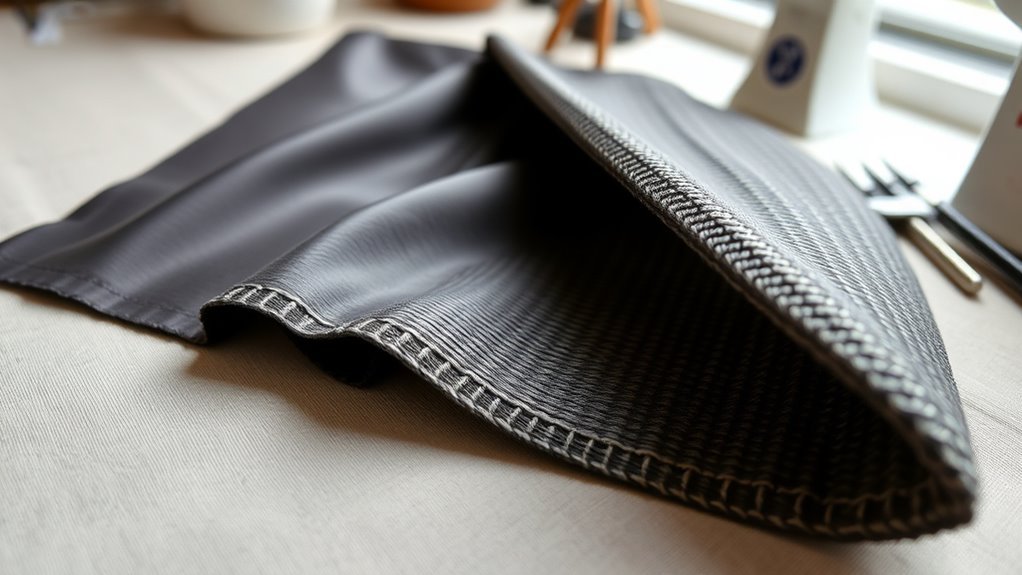
Denier is a measure of how heavy, and so how thick, the yarn in a nylon fabric is. A higher number means thicker yarn and usually a heavier, stiffer, more abrasion-resistant fabric. For handbags, about 200D suits light and packable bags, 300D to 600D suits everyday bags, and 1000D and up suits heavy-duty ones. Denier is only half the story, though. The weave and the coating also shape how the fabric feels and wears.
What Does Nylon Denier Mean for Handbags?
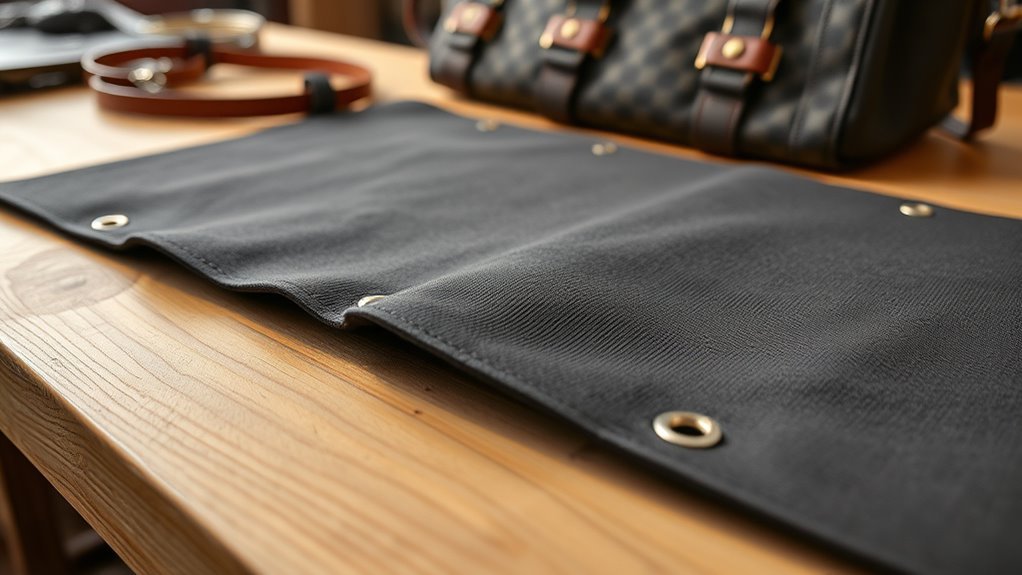
Denier, written as D, is the weight in grams of 9,000 meters of a single yarn. A 600D yarn weighs 600 grams over that length, so it is twice as heavy as a 300D yarn. Thicker yarn makes a thicker, heavier fabric.
For handbags, 300D to 600D is the common middle ground. It is strong enough for daily use and still light to carry.
Denier describes the yarn, not the whole fabric. How the yarns are woven matters just as much. Ripstop nylon, for example, has thicker yarns woven in at intervals to form a grid that stops small tears from spreading.
At 1000D, the fabric resists scuffs and tears very well, but it is noticeably heavier and stiffer.
Coatings such as PU, and finishes such as DWR, add water resistance. They do not change the denier number.
So read denier as a guide to weight and toughness, and then look at the weave and coating.
How Does Denier Change Bag Thickness and Feel?
As denier goes up, the fabric feels thicker, firmer, and more structured in the hand.
Nylon at 100D to 200D is thin, soft, and easy to fold. It is used for packable totes and linings. At 400D to 600D, the fabric has body and stands up better. At 1000D and above, it is stiff and holds its shape almost like canvas.
Lower denier means a lighter bag, but the fabric wears through sooner at corners and bases. Higher denier stands up to rubbing and heavy loads, at the cost of weight.
Weave changes the feel as well. Ripstop keeps a light fabric from tearing easily. Twill has a fine diagonal rib and feels smoother and more supple.
Coatings add to it. A PU coating on the back of a 420D nylon makes it a little stiffer and smoother, and it blocks water.
Two fabrics with the same denier can feel different for these reasons, so handle the bag if you can.
Which Nylon Denier Is Best for Everyday Bags?
For everyday bags, 300D to 600D usually gives the best balance of weight and durability.
Around 300D to 420D suits light totes, crossbody bags, and small backpacks. Around 600D suits work bags, messenger bags, and daypacks that carry a laptop or books.
You only need 1000D or ballistic nylon for hard use, such as travel bags, tool bags, or a bag that gets dragged around daily.
- 300D: light, adaptable, easy to carry
- 600D: stronger, more durable, more reassuring
- 300D tote: minimal load, freedom of movement
- 600D daypack: reliable support for repeated use
As a rule, choose the lowest denier that suits your use. You get a lighter bag that still lasts.
Why Does Weave Matter for Nylon Bags?
Weave is the pattern in which the yarns cross. It affects tear strength, abrasion resistance, and how the fabric drapes.
Plain weave is the simplest and is used for most light nylon. Ripstop is a plain weave with a reinforcing grid. Oxford and ballistic weaves pair the yarns in a basket pattern, which gives a thicker, tougher surface. Ballistic nylon is made from very heavy yarn, usually around 1050D or more.
A loose weave feels softer but snags and frays more easily. A tight weave is firmer and wears better.
Twill drapes well and has a slight sheen, which is why it is used for dressier nylon bags.
Weave also sets the look. Ripstop shows small squares, ballistic nylon shows a coarse basket texture, and taffeta is smooth and fine.
A heavy yarn in a tight weave gives the toughest fabric. A light yarn in a ripstop weave gives a good mix of low weight and tear resistance.
When a product page lists only the denier, look at a close-up photo to see the weave.
How Do Coatings Affect Nylon Durability?
Most nylon for bags has a coating or finish, because bare nylon lets water through.
PU, or polyurethane, is the most common. It is applied to the back of the fabric and makes it water resistant. Over many years it can break down and turn sticky or flaky. Silicone coatings are used on very light fabrics and help tear strength, but seam tape does not stick to them. DWR is a surface finish that makes water bead up. It wears off with use and washing and can be renewed with a spray.
- PU: balanced protection for everyday use
- Silicone: strong fabric, tougher seam management
- DWR: light defense, limited lifespan
- Thick coatings on high-denier nylon: stronger abrasion resistance, less airflow
A coated 1000D nylon is about as tough as bag fabric gets against scuffs and rain.
Coated fabric does not make a bag waterproof on its own. Water can still enter through seams and zips unless those are sealed.
How Do You Choose the Right Nylon Spec?
To choose, start with how you will use the bag. For light, everyday carry, look for 300D to 600D. For heavy loads or rough handling, look for 600D to 1000D.
Then check the weave. Ripstop is a good sign in light fabrics. Oxford, twill, and ballistic weaves suit heavier bags.
Last, check for a coating if you need rain protection. Some makers also list fabric weight in GSM, or grams per square meter, which tells you how heavy the finished fabric is.
Denier And Weave Balance
Denier and weave work together, so compare both.
A light ripstop can resist tearing better than a slightly heavier plain weave. A 1000D plain weave and a 1050D ballistic weave also feel quite different. Use these points as a guide:
- A tight ripstop weave boosts tear resistance.
- Taffeta gives you a smoother, more refined surface.
- Ballistic nylon delivers high abrasion resistance for rugged bags.
- Higher denier adds strength, but it also adds weight.
Do not assume the highest number is best. Extra denier adds weight you carry every day.
Also check the base and corners. Many good bags use a heavier fabric there and a lighter one for the body.
Coatings For Handbag Use
The full spec has three parts: denier, weave, and coating.
A PU coating is the standard choice for water resistance. A DWR finish on the outside helps rain run off before it soaks in.
Silicone-coated nylon is mostly used for ultralight outdoor gear and is rare in handbags.
Match the coating to the fabric and use. A PU-coated 420D or 600D suits a daily bag. A coated 1000D suits a travel or work bag.
The lining matters too. Linings are usually a much lighter nylon or polyester than the outer fabric.
If a listing gives no fabric details at all, treat that as a warning sign.
Frequently Asked Questions
What Is the Definition of a Denier?
Denier is the weight in grams of 9,000 meters of yarn. A higher number means a thicker, heavier yarn.
What Are Some Good Materials for Making Bags?
Nylon, polyester, canvas, and leather are the main ones. Nylon is light and resists abrasion. Polyester costs less and holds color well in sunlight. Canvas is sturdy and casual. Leather lasts for years with care but is heavier.
Is a Polyester Bag Good?
Yes, for most everyday uses. Polyester is light, dries quickly, and resists fading. At the same denier, nylon is usually stronger and more resistant to abrasion, so it is preferred for bags that take hard wear.
What Feels Better, Nylon or Polyester?
Nylon usually feels smoother and softer. Polyester tends to feel a little stiffer and drier. Both vary with the weave and finish.
Conclusion
Denier tells you how heavy the yarn is, and with it how thick and tough the fabric is likely to be. Weave and coating complete the picture. For most handbags, 300D to 600D nylon in a tight weave with a PU coating is a practical choice.

