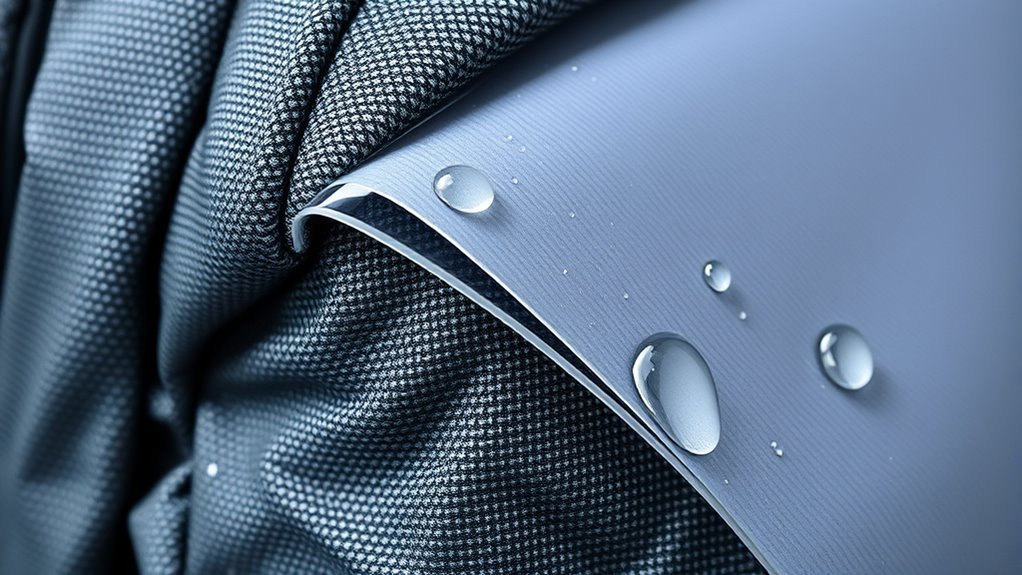
Thermoplastic polyurethane (TPU) coating is a thin, flexible layer of TPU that is bonded to a textile, usually nylon or polyester, to make it water-resistant or waterproof, tough and easy to wipe clean. TPU can be heat-welded, which allows seams to be sealed without stitching. It lasts well, but like all coatings it eventually wears.
What Is TPU Coated Fabric?
TPU coated fabric is a woven or knitted textile with a layer of thermoplastic polyurethane on one or both sides. TPU is a kind of plastic that is soft and stretchy, but that softens when heated, which means it can be formed, laminated and welded. The layer can be a film that is laminated to the fabric, or a coating that is applied as a liquid and cured. The result is a material that blocks water while staying flexible.
TPU is strong when pulled and can be bent many times without cracking, so it works well on bags that are folded, rolled or squeezed. As with any coating, it can wear down after long exposure to sun, abrasion and moisture, so it is durable but not permanent.
Why TPU Coated Fabric Is Used for Bags
- Water protection: the coating keeps rain and splashes out, and a bag with welded seams can be much closer to waterproof than one with stitched seams. See water-resistant versus waterproof bags.
- Abrasion resistance: TPU withstands scuffs and handling better than many thin coatings.
- Flexibility in the cold: TPU generally stays more flexible in low temperatures than PVC, which can stiffen.
- Easy cleaning: dirt wipes off the smooth surface.
- Weldable seams: heat or high-frequency welding joins pieces without needle holes, which removes a common leak point.
The exact performance depends on the thickness of the layer, the base fabric and the way the bag is made, so treat these as general features and not guarantees.
TPU Coated Fabric Versus PU and PVC
TPU Versus PU
Ordinary polyurethane (PU) coatings are common on bag fabric, and they can feel soft and flexible. TPU is related to PU, but it is a thermoplastic that can be welded and, in many cases, recycled more easily. Some PU coatings, particularly those based on certain chemistries, can break down with age and humidity, which causes the peeling and stickiness described in why waterproof bag coatings peel. TPU films tend to resist this better, though this depends on the type of TPU used and how the bag is stored.
TPU Versus PVC
PVC is a lower-cost plastic that is often made flexible with added plasticizers. It is usually heavier and stiffer, it can crack in the cold and it can become brittle as the plasticizers migrate out. TPU is typically softer and more flexible without those additives, but it can cost more. The right choice depends on the price, weight and the use.
Best Uses for TPU Coated Bags
- Hiking, camping and water sports: dry bags and packs that need to keep moisture out.
- Travel and daily carry: packable bags and pouches that are easy to wipe.
- Work and utility bags: tool pouches and delivery bags that face rough handling and spills.
For fabrics that combine a woven base with a coating, see what coated canvas is.
How to Care for TPU Coated Bags
- Wipe the bag with a damp cloth, and use a little mild soap for dirt. Rinse with a clean damp cloth.
- Avoid solvents, strong detergents, abrasive pads and bleach.
- Air-dry the bag away from heaters. Do not iron TPU, since it softens with heat.
- Store it clean and dry, loosely rolled or hung, in a cool place away from direct sun.
- Check the seams, corners and fold lines for wear, which is where coatings fail first.
Repairing a TPU Coated Bag
Light scuffs are usually cosmetic. For a small hole or tear, a flexible waterproof repair patch or a tape made for TPU or coated fabric can seal it. Clean and dry the area first, round the corners of the patch, apply it with firm pressure and leave it to bond according to the instructions. For worn stitching or broken hardware, see how to patch a nylon purse and how to replace bag grommets without tearing fabric.
How to Tell If a Bag Is TPU Coated
The label or product description may say TPU, TPU laminated or TPU coated. Look for a smooth, slightly glossy or rubbery inner surface, and welded seams that look like a flat strip. If the description is vague, ask the maker or check the product details. A bag that is called waterproof should have sealed seams and a closure designed for it, such as a roll-top.
Frequently Asked Questions
What Does Thermoplastic Polyurethane Look Like?
As a film, it is usually clear or translucent with a smooth, slightly glossy surface. On a bag, it often looks like a smooth, rubbery layer on the inside of the fabric.
Is PU Material Good or Bad?
It has both strengths and limits. PU is flexible and water-resistant, but some coatings can age, crack or peel after years of use.
What Is TPU Waterproof Material?
A film or coating of thermoplastic polyurethane that blocks water. The bag also needs sealed seams and a good closure to be truly waterproof.
What Is Polyurethane Made Of?
It is a plastic made by reacting two kinds of chemicals, called isocyanates and polyols. The mix can be adjusted to make it soft, hard, flexible or rigid.
Conclusion
TPU coated fabric offers a combination of flexibility, water protection and toughness, with the added advantage of weldable seams. Choose it for gear that gets wet or rough use, clean it gently, keep it away from heat and sun, and expect the coating to wear eventually, as all coatings do.