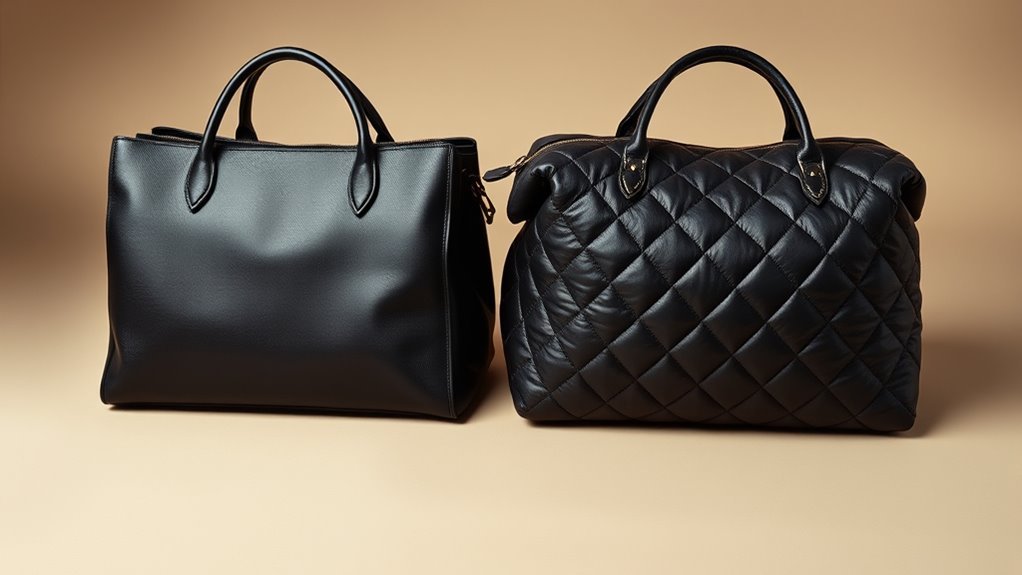
Quilting makes a handbag both firmer and softer at the same time. Stitching through an outer fabric, a layer of padding and a backing locks the three together, so the panel holds its shape better than a single layer. The padding adds a cushioned feel. Close stitching gives a flatter, firmer panel, and wide stitching gives a puffier, softer one. The padding and interfacing you choose decide the final balance.
How Quilting Changes Handbag Shape and Feel
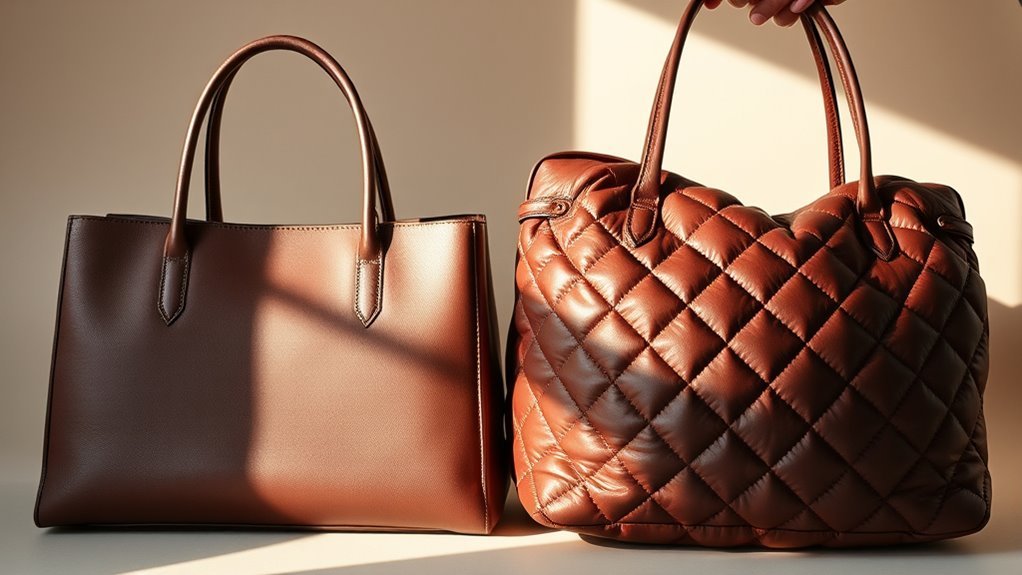
A quilted panel is a sandwich. The outer fabric sits on top, batting or foam sits in the middle and a backing or lining sits underneath. Lines of stitching hold the layers together.
The middle layer sets the feel. Thick batting makes the bag plush and rounded. Thin batting keeps it sleek and light.
The stitching pattern changes the look. Diamonds, squares and straight channels each create raised sections that catch the light and give the surface depth.
Quilting also protects. The padding cushions the contents and hides small dents and scuffs better than a flat surface does.
Best Fabrics for Quilted Bags
Tightly woven cotton is the easiest fabric to quilt for bags. It is stable, sews cleanly and holds crisp stitch lines.
Pre-quilted fabric, sold with the batting already stitched in, saves time and gives an even result. Nylon and polyester are common for light, sporty quilted bags, and soft leather such as lambskin is the classic choice for luxury ones.
Very stretchy or loosely woven fabrics are harder to quilt, because they shift and pucker. A light fusible interfacing on the back steadies them.
Thread color is part of the design. Matching thread gives a subtle texture, while contrasting thread makes the pattern stand out.
How Batting Affects Softness and Support
Batting is the padding inside a quilted panel. The type and thickness decide how soft or firm the bag feels. Thicker batting gives more cushion, but it is harder to sew and adds bulk at the seams. The table compares the main choices:
| Choice | Effect |
|---|---|
| Cotton batting | Softer touch, easy drape |
| Polyester batting | More loft and spring, lighter weight |
| Layering techniques | Balanced comfort and structure |
Cotton batting is flat and dense, so it gives a soft panel that drapes. Polyester batting is lighter and springier and keeps its puff after squashing. Foam stabilizer gives the most structure and helps a bag stand up. Fusible fleece sits in between and is quick to use.
Why Quilting Adds Structure to Handbags
Quilting adds structure because it turns three loose layers into one thicker panel. A thicker panel is harder to bend than the same layers left separate.
The stitch lines stop the padding from shifting or sinking to the bottom. They also share stress across the panel, so no single spot takes all the pull.
Stitch density matters. Lines sewn close together compress the padding and make a flatter, stiffer panel. Lines sewn far apart leave it puffier and more flexible.
Quilting alone will not make a soft bag rigid, though. For sharp corners and a firm base, makers add interfacing or a base insert.
Choosing Interfacing for the Right Balance
Interfacing is the extra support layer used alongside quilting. It decides whether the finished bag is slouchy or structured.
A quilted panel already has body, so it often needs less interfacing than a flat one. Test a small sample before you decide.
Interfacing Weight Choices
Interfacing comes in light, medium and heavy weights.
Medium and heavy types give a bag that stands up. Light types keep it soft but may let it sag at the handles and base.
Match the weight to the bag. A structured tote needs firm support, and a soft pouch needs very little.
Too much support makes a quilted bag stiff and hard to turn right side out, so add it only where the design needs it.
Fusible interfacing bonds with an iron, and sew-in interfacing is stitched in place. Both work with quilted panels.
Balancing Shape And Drape
The aim is a bag that keeps its outline but still feels soft in the hand.
Thin batting with firm interfacing gives a sleek, structured bag. Thick batting with little interfacing gives a soft, pillowy one.
You can also vary the support within one bag. Many makers use a firm base and softer sides.
If the outer fabric is already heavy, such as canvas or denim, use lighter padding to avoid a bulky result.
Always quilt and interface a test square first. It shows the thickness and stiffness before you cut the real pieces.
Write down the combination you liked, so you can repeat it on the next bag.
Stitch Length and Seam Strength in Quilted Bags
Stitch length affects both looks and strength. For construction seams on bags, about 2.5 to 3.0 mm is a common range. Quilting lines through padding often look best slightly longer, at about 3 mm.
Use a strong polyester thread for seams. Backstitch at the start and end of each seam so it cannot unravel. A walking foot helps feed the thick layers evenly and prevents puckers.
Very short stitches can perforate thick layers and make the fabric tear along the seam. Very long stitches leave gaps that snag. Test on a scrap of the full sandwich.
Reinforcing Stress Points in Handbag Construction
Quilted or not, a bag wears out first at its stress points: handles, strap anchors, zipper ends and corners.
Add a patch of interfacing behind these areas and sew them with a second row of stitching.
This hidden support keeps a soft quilted bag from pulling out of shape where it carries weight.
Stress Points To Reinforce
Reinforce stress points before you assemble the bag. It is much harder to reach them afterward.
The three most important areas are handles, zipper ends and corners.
At handles, stitch a box with a cross through all layers. At zipper ends, add a fabric tab or a few extra stitches. At corners, trim the padding from the seam allowance so the seam is not too thick to hold.
Use strong thread and a fresh needle. Thick quilted layers blunt needles quickly.
Interfacing For Added Strength
Interfacing does more than shape a bag. It stops the fabric from stretching where the load is greatest.
Use a woven fusible on handles and straps, since it resists stretch. Use a firm stabilizer in the base.
Test fusibles on your fabric first. Some fabrics, such as nylon and vinyl, cannot take the heat and need sew-in types.
Keep interfacing and padding out of the seam allowances where you can. It reduces bulk and gives flatter seams.
Seams, Corners, And Handles
Quilted seams are thick, so sew them slowly and backstitch at both ends.
Double-stitch the bottom seam and the handle anchors, which carry the most weight. Press seams open and topstitch them down if the layers allow.
Padded handles are more comfortable on quilted bags. A strip of batting or cord inside the handle spreads the load over a wider area of your hand or shoulder.
A firm base insert stops the bottom from sagging and protects the corners from wear.
How Quilted Panels Affect Drape and Flexibility
Quilted panels bend differently from flat ones. They are thicker, so they resist sharp folds and tend to curve gently.
They also bend more easily along the stitch lines, where the padding is compressed. A bag quilted in vertical channels folds along those channels.
This is why the pattern matters. Diamond quilting flexes evenly in all directions. Channel quilting flexes one way and stays firmer the other way.
Padding with spring, such as polyester batting or foam, helps a bag bounce back after being squashed in a closet or suitcase.
The result is a bag that feels soft to the touch but still holds a rounded shape when empty.
Quilting Tips for Durable, Comfortable Bags
A few habits make quilted bags last longer and feel better. Start with stable, tightly woven fabric, and baste or spray-baste the layers so they do not shift.
Mark the quilting lines before you sew, and start from the center of the panel and work outward. Cut the pieces slightly larger than the pattern, quilt them, then trim to size, because quilting draws the fabric in a little.
To care for a quilted fabric bag, follow the label. Many cotton ones can be washed cold on a gentle cycle and air dried. Leather quilted bags should only be wiped and conditioned.
Frequently Asked Questions
Does Quilting Make a Bag Stronger?
It makes the panels firmer and more resistant to stretching, because the layers are stitched into one. The seams and handles still need their own reinforcement.
Why Are So Many Luxury Bags Quilted?
Quilting lets makers use very soft leather, which would be shapeless by itself. The padding and stitching give it body, and the raised pattern has become a recognizable design feature.
What Is the Best Batting for a Quilted Bag?
It depends on the feel you want. Fusible fleece or cotton batting suits soft bags. Polyester batting gives more puff. Foam stabilizer suits bags that should stand up.
Can You Machine Wash a Quilted Bag?
Check the care label first. Many cotton and nylon quilted bags can be washed cold on a gentle cycle and air dried. Bags with leather trim, cardboard bases or structured inserts should be spot cleaned only.
Conclusion
Quilting gives a handbag structure and softness together. The stitching binds the layers into a firmer panel, and the padding makes it cushioned to the touch. Stitch spacing, batting and interfacing let you tune the balance. Reinforce the stress points, test your layers on a sample, and a quilted bag will keep its shape for years.

