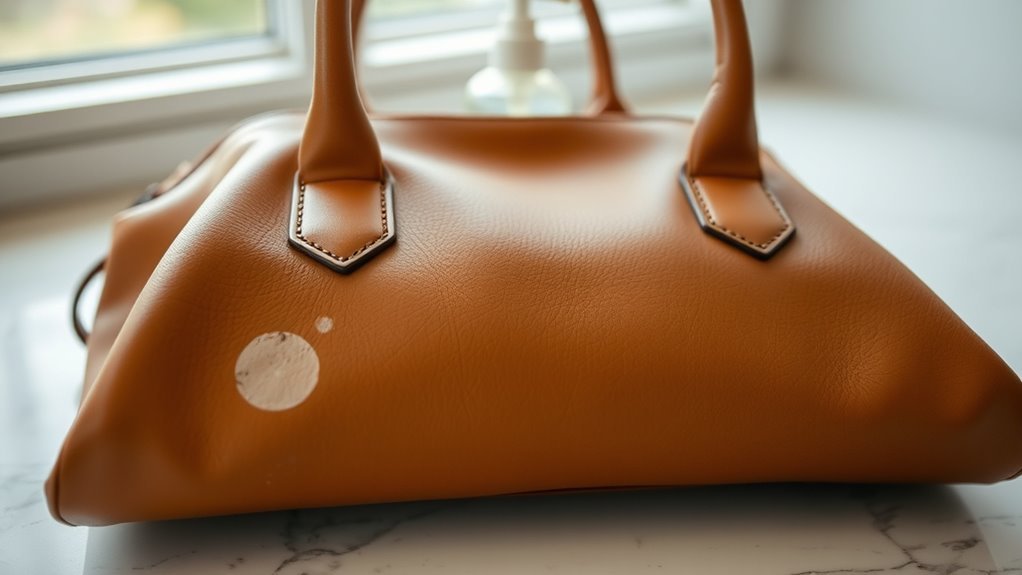
Hand sanitizer can mark a leather bag in minutes. Some of that damage can be fixed at home and some cannot. Sticky residue, dull patches and mild dryness usually improve with a leather cleaner and conditioner. Real color loss does not wash out. It needs a recoloring balm, leather dye or a professional. This guide shows how to tell the difference and what to do first.
How to Remove Hand Sanitizer Stains From Leather Bags
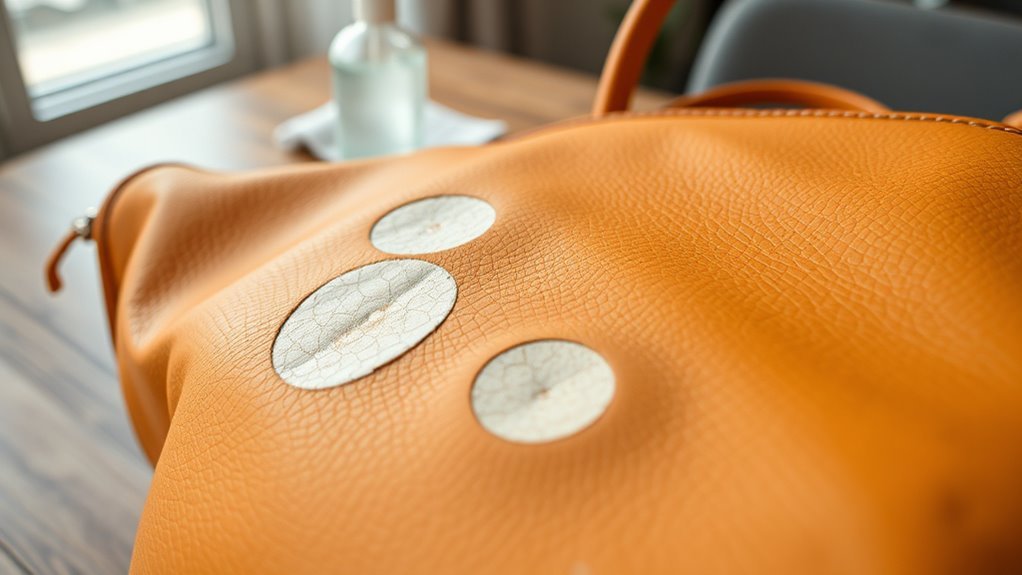
Most hand sanitizers are at least 60 percent alcohol, and alcohol is a solvent. It can dissolve the clear finish and some of the dye on leather. It also pulls out the oils that keep leather soft. The result may be a pale spot, a dull patch or a dark ring on unfinished leather.
Start gently. Wring out a soft cloth in lukewarm water with a drop of mild soap. Dab the mark and the area around it. Do not rub or scrub, because wet leather loses color easily. Test on a hidden spot first. If a mark remains, try a cleaner made for your type of leather and follow the label.
Let the bag dry, then apply a leather conditioner. It puts back some of the oils the alcohol removed and often makes a dull patch less visible.
Know the limits. Cleaning removes gel residue and dirt. It does not replace color that the alcohol lifted. If the spot is still lighter after cleaning and conditioning, the dye or finish is gone, and the fix is recoloring.
Initial Steps for Addressing Stains
Speed matters most. The longer sanitizer sits on leather, the more finish and dye it can lift. Here is what to do in the first few minutes.
Blot the spill right away with a soft, dry cloth. Press and lift. Do not wipe, because wiping spreads the alcohol over a wider area.
Next, dab the spot with a cloth that is barely damp to pick up any gel left behind. Add a drop of mild soap only if the area feels sticky. Work from the outside of the mark toward the center, and test on a hidden section first.
Let the leather dry on its own, away from sun, radiators and hair dryers. Heat dries leather further and can set the mark.
When the leather is fully dry, condition the area and then judge the result in daylight. Many fresh marks look worse while damp than they do once dry and conditioned.
DIY Remedies for Hand Sanitizer Stains on Leather
The right remedy depends on what the sanitizer did. Look closely at the mark before you reach for a product.
A sticky or shiny film is only residue, and a damp cloth removes it. A dull, dry patch needs conditioner. A pale spot means lost color and needs a matching recoloring balm or leather dye.
Suede and nubuck are different. Skip soap and water on them. Let the spot dry, lift the nap with a suede brush and take stubborn marks to a specialist.
Common Stain Types
Sanitizer marks fall into a few types. The table below matches each one with a first step:
| Stain Type | Remedy |
|---|---|
| Light discoloration | Clean gently, let dry, then condition |
| Dark stains | Dab with mild soap and lukewarm water |
| Stubborn stains | Dab with a leather cleaner, never scrub |
| Surface damage | Use a recoloring balm or see a professional |
| Long-term protection | Apply leather conditioner post-cleaning |
Whatever the type, always finish by conditioning the cleaned area once it is dry.
Effective Cleaning Solutions
You need very few products to treat a sanitizer mark. Simple and mild works best.
Mix a drop of mild soap, such as baby soap, into lukewarm water. Dip a soft cloth, wring it out well and dab the mark. Keep the leather damp, never wet. Test in a hidden spot first to check that no color comes off on the cloth.
If the mark stays, move up to a leather cleaner made for your bag. For color loss, use a recoloring balm in a matching shade. Apply thin coats and let each one dry before adding the next.
Skip home fixes such as vinegar, baby wipes, nail polish remover and more alcohol. They strip finish and dye, just as the sanitizer did.
Keep expectations fair. A good home repair makes the mark hard to notice. It rarely makes it vanish under close inspection.
Signs You Need Professional Help
Some sanitizer marks are beyond home care. If the spot is still clearly visible after cleaning, conditioning and a careful try with balm, it is time for a professional.
The same applies to expensive bags, pale or untreated leathers, suede and exotic skins. A failed home repair on these can cost more to correct than the original mark.
A leather repair specialist can strip, re-dye and reseal the damaged panel so the color and sheen match the rest of the bag.
Persistent Stains Remain
A mark that survives gentle cleaning is usually not a stain at all. It is missing finish or dye.
You can often tell by touch and by light. The patch feels rougher or drier than the leather around it, looks flat instead of glossy, or shows a hard pale edge.
Specialists fix this by matching the color, re-dyeing the area in thin layers and adding a new top coat. This is how they blend the repair into the panel.
Ask for a quote and photos of past work before you leave the bag. On a low-cost bag, the repair may cost more than the bag is worth.
After a professional repair, treat the bag as normal. Condition it every 3 to 6 months and keep sanitizer away from it.
How to Keep Your Leather Bags Stain-Free
Prevention is simple. Most sanitizer marks come from wet hands or a leaking bottle. Rub sanitizer in until your hands are fully dry before you pick up your bag. That takes about 20 seconds.
Carry the bottle in a small zip pouch or an outside pocket, never loose inside a leather bag. Check that the cap is tight. If a clip-on holder hangs from the strap, make sure it does not drip onto the leather.
A leather protector spray adds a little time to blot spills, but it does not make leather alcohol proof. Store bags in a cool, dry place out of direct sunlight, which fades and dries leather.
Why You Should Condition Leather Regularly
Conditioning matters even more after sanitizer contact, because alcohol strips oils from leather. Regular care keeps the surface supple and helps small marks blend in. Here is what conditioner does:
- Prevents cracks and maintains suppleness
- Helps the surface resist light moisture and dirt
- Replaces oils that alcohol and daily use remove
- Minimizes discoloration and fading of luxury items
- Recommended conditioner application frequency is every 3-6 months
Use a small amount on a soft cloth and work it in with light, even strokes. Cover the whole panel, not just the spot, so the color dries evenly.
Let the conditioner absorb, then buff with a clean cloth. Do not over-condition. Too much product leaves leather sticky and can darken light colors.
Common Mistakes to Avoid When Cleaning Leather
Most lasting damage comes from the cleanup, not the spill. Avoid these common mistakes:
| Mistake | Consequence |
|---|---|
| Using alcohol or bleach | Discoloration and material damage |
| Skipping patch tests | Risk of harming the leather |
| Scrubbing aggressively | Scratches and surface damage |
| Using excessive water | Stiffness and water stains |
In short, use a soft cloth, dab instead of rubbing, keep water to a minimum and condition after the leather dries.
Recommended Products for Leather Care
You do not need many products. A few basics cover almost every sanitizer mark.
Here is what to keep on hand:
- Gentle Leather Cleaner: Specifically formulated for luxury leather, it effectively removes stains without damage.
- Leather Conditioning Cream: Restores suppleness and creates a protective barrier against future stains.
- Leather Protector Spray: Shields against stains and water damage, improving both longevity and appearance.
For color loss, add a recoloring balm or leather dye in a shade that matches your bag. Test every new product on a hidden area first.
Frequently Asked Questions
I Spilled Hand Sanitizer on My Leather. How Do I Clean It?
Blot it at once with a dry cloth. Then dab with a barely damp cloth and a drop of mild soap, let it air dry and apply conditioner. If a pale spot remains, the color has lifted and needs a recoloring balm.
How to Disinfect a Leather Handbag?
Do not use alcohol wipes, bleach or disinfectant sprays on leather. They strip the finish and color. Wipe the bag with a cloth dampened in mild soapy water, then dry and condition it. Soap and water removes dirt and many germs without harming the finish. Clean the handles more often, since they are touched the most.
How to Repair Alcohol Damage on Leather?
Clean the area gently, let it dry and condition it. If it still looks pale, apply a matching recoloring balm or leather dye in thin coats. For large or deep damage, a leather specialist can re-dye and reseal the panel.
Does Hand Sanitizer Permanently Damage Leather?
It can. Alcohol can remove dye and finish, and cleaning cannot put them back. The mark can usually be hidden with balm or dye, but the original finish does not return by itself.
Conclusion
Hand sanitizer marks on leather are common and often fixable. Blot fast, clean gently, let the leather dry and condition it. Treat lost color with a matching balm or leave it to a professional. Above all, let your hands dry before you touch your bag.

