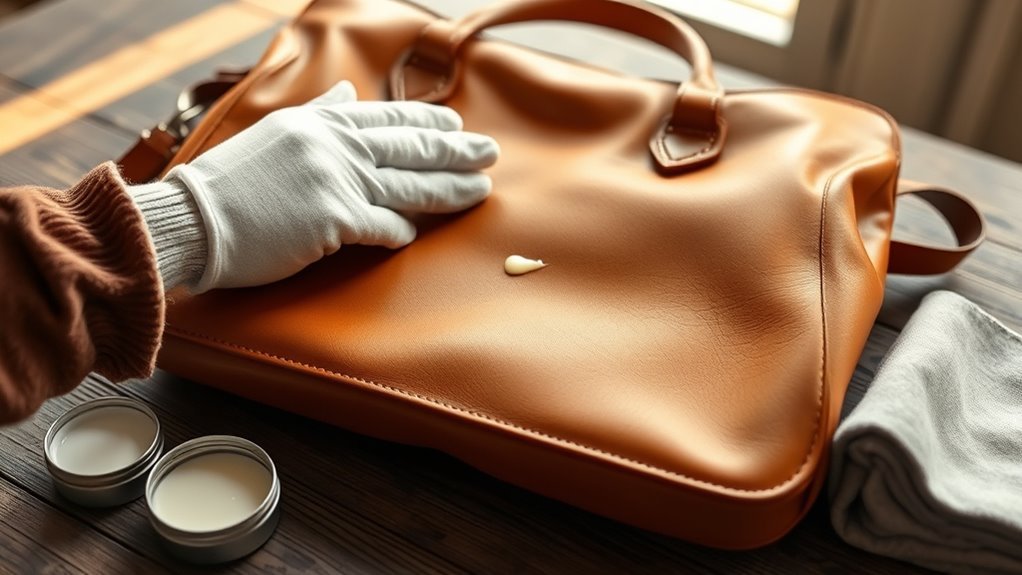
To condition a leather bag without leaving it greasy, use a small amount of a good conditioner that suits your type of leather. First, wipe the bag with a damp cloth and let it dry. Then rub in a thin layer of conditioner with a soft, lint-free cloth, using small circles. Let it soak in for about 30 minutes. Finally, buff off any extra with a clean, dry cloth. These steps keep your bag supple and good looking for years. The details for each type of leather are below.
How to Condition Your Leather Bag: A Step-by-Step Guide
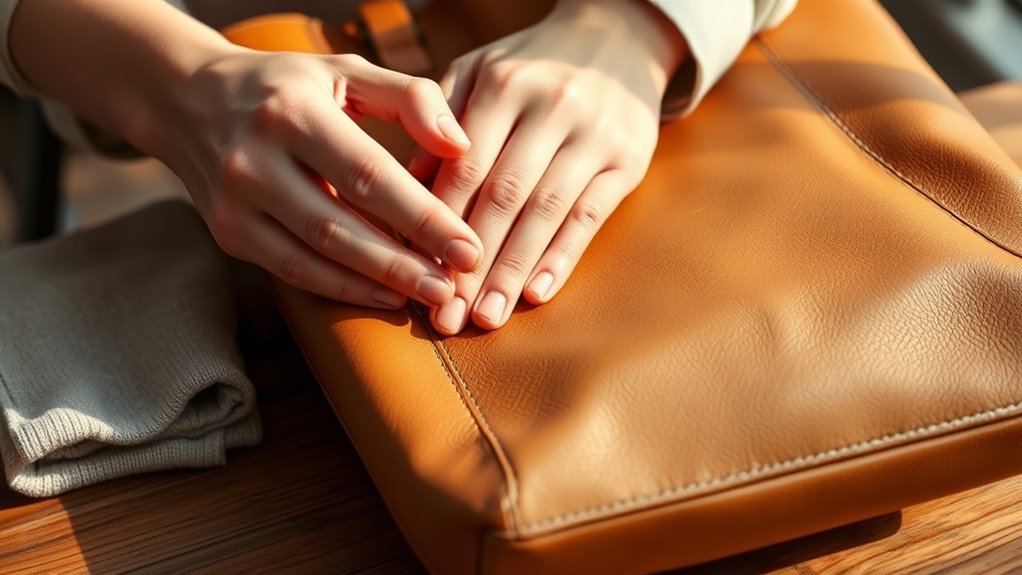
Conditioning does more than keep a leather bag tidy. It protects its beauty and helps it last. Start with a good leather conditioner. Avoid ones based on petroleum or mineral oil, which tend to sit on the surface and feel greasy.
Before you condition, wipe the bag with a damp cloth to remove dirt and dust, and let it dry. Clean leather takes in conditioner better.
Use a soft, lint-free cloth. Apply a thin, even layer of conditioner in small circles and work it into the leather. Let it soak in for about 30 minutes. Then buff the surface gently with a clean, dry cloth to remove any extra and bring back the shine.
Condition your bag every few months. This keeps the leather supple and prevents drying and cracking. Make it a habit, and your leather bag will stay in good shape for years.
Understanding Leather Types and Their Conditioning Needs
Different leathers need different care. Each type, from full-grain to nubuck, has its own needs and its own best kind of conditioner.
Common Leather Types
The first step in caring for a leather bag is to know what type of leather it is.
Full-grain leather is durable and has natural beauty. It does best with a conditioner that soaks in deeply and leaves no greasy film.
Top-grain leather needs a product that keeps it soft and gives a gentle sheen. Avoid heavy oils, which can leave a slick feel.
Nubuck has a delicate, velvety surface. Do not use regular leather conditioner on it, because it can darken and flatten the nap. Use a protector spray made for nubuck and a nubuck brush.
Suede needs the same care. Skip conditioner, brush the nap gently, and use a protector spray made for suede. Do not soak the surface.
Bonded leather is made of leather fibers bound with a polyurethane coating, so it absorbs very little conditioner. Wipe it clean, and do not expect conditioning to stop peeling.
Conditioning Frequency Guidelines
How often you condition your bag affects how long it lasts and how it looks. Different leathers need different schedules.
For most smooth leather, condition every 3 to 6 months. Do not condition suede or nubuck; brush them and use a protector spray instead.
Aniline leather is porous and dries out faster, so it sits at the shorter end of that range. Pigmented leather has a protective finish and does fine at the longer end.
Do not believe that more is better. Always pick a conditioner made for your type of leather. It will soak in well and keep your bag looking its best without extra grease.
Choosing the Right Conditioner for Your Leather Bag
When you choose a conditioner, look for one made for your type of leather.
Look for non-greasy or fast-drying formulas with natural oils or waxes. They add moisture without leaving a film.
Test the conditioner on a small area first to check that it does not change the look of your bag.
Types of Leather Conditioners
The right leather conditioner can add years to the life of your bag and keep it looking good. Here are the main types to consider:
- Cream conditioners: absorb well and leave little residue when applied thinly.
- Natural oils and waxes: lanolin or jojoba-based products moisturize while keeping a dry feel, but too much can darken some leather.
- Water-based conditioners: lighter and quick to absorb, so they are less likely to leave a greasy film.
- Leather-Specific Formulations: Choose a conditioner tailored to your leather type, like nubuck or suede, for ideal care.
Always test on a small area first before you apply it to the whole bag.
Tips to Avoid Greasy Residue When Conditioning
How do you condition a leather bag without leaving a greasy film? Follow these tips:
- Choose a non-greasy formula: pick a product labeled lightweight or non-greasy.
- Apply in thin layers: Use a soft cloth to spread the conditioner evenly. Allow each layer to absorb fully before adding more.
- Use sparingly: A little conditioner goes a long way. Avoid over-applying to keep your leather’s natural feel intact.
- Buff after conditioning: Once conditioned, take a clean microfiber cloth and buff the leather to remove any excess product, improving shine without greasiness.
Determine Conditioning Frequency for Your Leather Bag
How often should you condition your leather bag? As a general rule, every 3 to 6 months keeps it supple and prevents drying and cracking.
If you use the bag only now and then, once a year may be enough. A bag you carry every day may need more regular care. Let the leather guide you. If it looks dull or feels dry, it is time to condition it.
More conditioner is not better. Too much leaves a greasy feel, so use a thin, even layer.
Choose a conditioner made for your type of leather, since each one has its own needs. This keeps the leather healthy without harming it.
Avoid These Common Conditioning Mistakes
Conditioning is simple, but a few common mistakes can harm the look and life of your bag. The most common one is using too much conditioner, which leaves a greasy film. Always use a small amount and spread it evenly.
Do not rush. Give the conditioner at least 30 minutes to soak in before you use the bag, or it may feel sticky.
The wrong conditioner can build up on the surface, so pick a product made for your type of leather. Always test it on a hidden spot first to avoid surprises.
Finally, use a soft, lint-free cloth and not a thick one. It spreads the product more evenly and gives better results. Avoid these mistakes, and your bag will keep its elegance and last longer.
Signs Your Leather Bag Needs Immediate Attention
How can you tell that your leather bag needs care right away? Spotting the signs early protects your bag and helps it last. Watch for these signs:
- Dull Appearance: If your bag looks lackluster, it likely needs conditioning to restore its natural shine.
- Cracks or Stiffness: These issues show dehydration. Immediate conditioning can prevent further damage.
- Visible Water Spots: Stains indicate inadequate protection. Treat them swiftly to avoid permanent discoloration.
- Rough Texture: If your leather feels dry or rough, it’s time to add moisture to maintain its flexibility.
These signs tell you when to act. Regular checks and care help your bag last longer.
Your leather bag deserves good care, so do not wait until the damage is done.
Frequently Asked Questions
Will Grease Come Out of Leather?
Often yes, if you act fast. Blot the spot, then cover it with cornstarch and leave it for several hours to draw out the oil. Brush the powder off and repeat if needed. Old or deep stains may need a leather professional.
What Can I Use to Moisturize My Leather Bag?
Use a conditioner made for leather, ideally one with natural oils or waxes. Apply a small amount with a soft cloth and let it soak in fully so it does not leave a greasy finish.
What Should You Not Use on Leather?
Do not use petroleum-based products, harsh chemicals, or furniture polish on leather. They can damage the material. Stick to gentle cleaners and products made for leather to protect how your bag looks and lasts.
How to Firm up a Leather Bag?
Conditioner softens leather, so use it sparingly on a bag that has gone limp. Stuff the bag with acid-free tissue paper so it holds its shape, and store it upright in a cool, dry place at roughly 40–55% humidity. A base shaper or bag insert adds support. For a very soft bag, a leather repair shop can add a stiffener.
Conclusion
Leather care does not have to be greasy. Choose the right conditioner and use only a little, and your bag will look its best. Regular care also makes the bag last longer and helps it age into a timeless piece. Check for signs of wear and condition the leather when it needs it. Your bag will stay a staple in your wardrobe for years.

