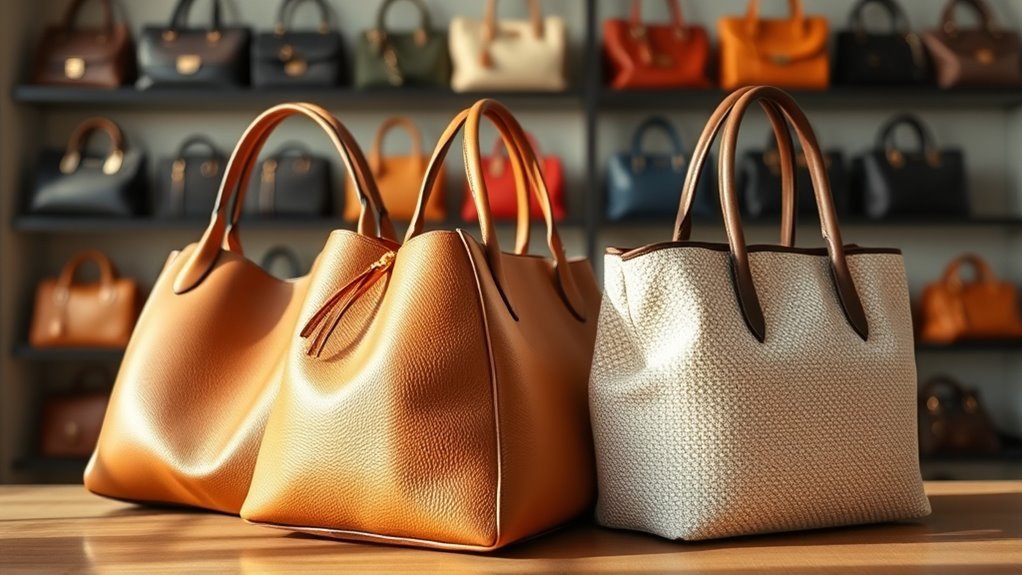
To read a handbag material label, find the main material first, then the percentages, then the separate lines for lining and trim. Materials in a blend are listed from the largest share to the smallest. Learn the key terms: full-grain and top-grain are the better leather grades, genuine leather only means real leather, bonded leather is mostly not leather, and PU and PVC are plastics. Finally, check the care symbols, which tell you how the bag can be cleaned.
Why Handbag Material Labels Matter
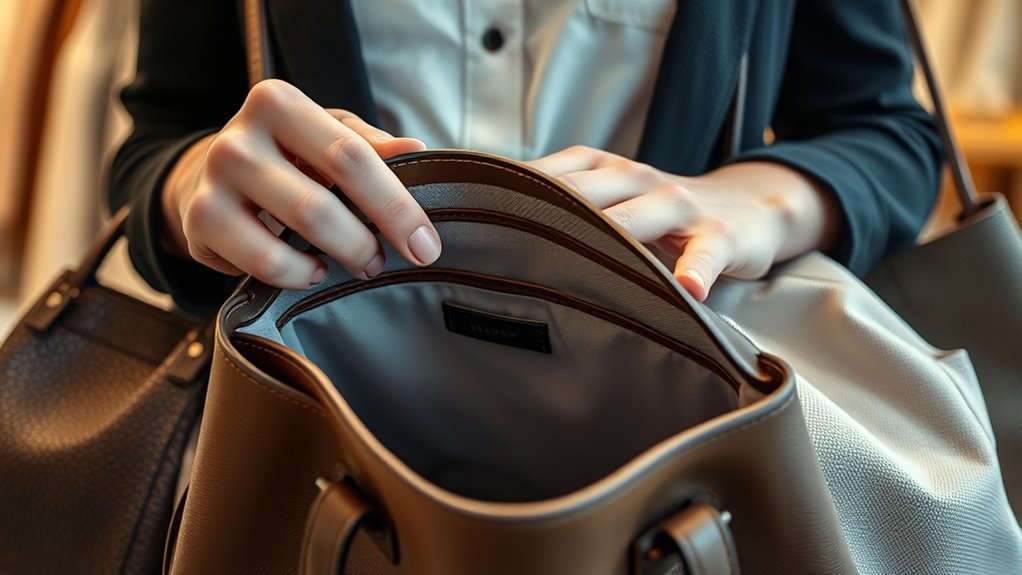
A handbag label is often the only reliable information you have about what a bag is made of. Photos and product names can mislead. The label tells you the materials, and with them the likely durability, care needs and value.
Labels also show how much of the bag is made of the headline material. A bag sold as leather may have a leather body with a polyester lining and faux leather trim, and an honest label says so.
In the United States, the Federal Trade Commission has Leather Guides that cover handbags. They say that a material which looks like leather but is not should be disclosed as such. Rules differ in other countries, and labels on bags are less standardized than those on clothing.
Once you know the common terms, a label takes a few seconds to read.
Understanding Common Handbag Materials
Most handbags are made from a small group of materials. Leather comes from animal hide. It is durable and repairable, it develops a patina with use, and it needs occasional conditioning.
PU (polyurethane) and PVC (polyvinyl chloride) are plastic coatings on a fabric backing. They are sold as faux leather, vegan leather or man-made leather. They are cheaper and easy to wipe clean, but the coating can crack and peel with age. Suede and nubuck are leathers with a brushed, velvety surface that marks easily.
Canvas is a heavy woven fabric, usually cotton or a cotton blend. Coated canvas has a PVC or similar layer on top, which makes it water-resistant and wipeable. Nylon and polyester are light synthetic fabrics used for casual bags and for most linings.
Many bags combine several of these. A typical label might read: body 100% cowhide leather, lining 100% polyester, trim polyurethane.
Key Factors in Evaluating Material Blends
When a label lists more than one material, read the percentages and note which part of the bag each line refers to. Components are normally listed in order of share, largest first.
For fabric bags, a blend such as 60% cotton, 40% polyester describes the cloth itself. Polyester adds strength and helps the fabric dry faster, and cotton gives a natural feel.
For leather, pay attention to the exact wording. Genuine leather means the material is real leather, but it says nothing about grade, and it is often used for lower grades. Bonded leather is made from shredded leather fibers held together with a binder. Under the US Leather Guides, a material sold as bonded leather should state the percentage of leather fibers and of non-leather content.
The grade tells you more than the word leather. Full-grain leather keeps the complete outer surface of the hide and is the strongest. Top-grain leather has been lightly sanded and finished for a more even look. Split leather comes from the lower layers of the hide and is often used for suede or given an embossed coating.
Interpreting Care Instructions on Labels
Many bags carry care instructions on an inner tag or a card. Follow them, since the maker knows the finish and the glues that were used.
Fabric bags may use the same care symbols as clothing. A washtub means washing, a triangle means bleaching, a square means drying, an iron means ironing and a circle means professional cleaning. A cross through any symbol means do not do it. Most leather and structured bags are marked do not wash and should not be dry cleaned in the ordinary way.
Written instructions are common on leather goods. Examples are wipe with a soft dry cloth, avoid contact with water or keep away from direct sunlight.
Use the material lines and the care lines together. A bag with a leather body and fabric lining needs leather care on the outside and gentle spot cleaning inside.
If a bag has no care tag, check the product page or the website of the maker before you clean it.
Benefits of High-Quality Handbag Materials
Better materials cost more, and the label helps you see what you are paying for.
Here are some key benefits:
- Durability Features: Materials like full-grain leather develop a rich patina, improving their character over time.
- Scratch resistance: Saffiano is leather with a pressed cross-hatch pattern and a protective coating, which makes it resistant to scratches and light rain.
- Better linings: Cotton twill, microsuede or leather linings wear better than thin, loosely woven polyester.
How to Spot Eco-Friendly Handbag Materials
Labels and hang tags are also where environmental claims appear. Read them as carefully as the material lines.
Organic cotton, hemp, cork and recycled polyester are the materials most often promoted as lower-impact choices. Vegan leather is not a material in itself. It usually means PU or PVC, so look for the composition behind the name.
Certifications give claims some weight. The Global Organic Textile Standard (GOTS) covers organic fibers and how they are processed. OEKO-TEX Standard 100 tests for harmful substances. The Global Recycled Standard (GRS) verifies recycled content, and the Leather Working Group audits tanneries.
For recycled materials, look for a percentage. A tag that says made with recycled materials may refer to the lining only.
Vague words such as eco, green or conscious mean little without a named material or certificate behind them.
Debunking Myths About Handbag Materials
A few common beliefs about handbag materials are wrong, and they lead to poor buying decisions.
The main ones concern leather grades, faux leather and blends.
Here is what the terms really mean.
Common Misconceptions Explained
The best-known myth is that genuine leather is a mark of high quality. It only confirms that the material is real leather. The label can apply to any grade, including the cheapest.
Other terms cause similar confusion:
- Vegan leather isn’t always eco-friendly. Some materials can harm the environment.
- Not all suede is leather. Microsuede and faux suede are polyester fabrics.
- A leather bag with a polyester lining is normal and not a sign of poor quality.
Italian leather and similar phrases describe where a material was made or finished. They are not a grade.
When a term is unclear, look for the specific material and percentage behind it.
Real vs. Faux Leather
Real and faux leather differ in how they wear, how they are cared for and how long they last. The table compares the main points.
| Feature | Real Leather | Faux Leather |
|---|---|---|
| Durability | High, develops unique patina | Varies, and the coating can peel with age |
| Maintenance | Requires conditioning | Easy to clean |
| Environmental Impact | Significant due to tanning process | Can involve harmful chemicals |
Real leather usually lasts longer and can be repaired and reconditioned. Faux leather costs less and needs little care, but it cannot be restored once the coating peels. Good faux leather can still give several years of use.
Blends And Their Benefits
Blends and mixed constructions are not a fault. Each material is used where it works best.
Here’s why you should consider them:
- Strength where it counts: Leather handles and trim on a canvas or nylon body put the toughest material at the points of wear.
- Water resistance: A coated canvas or nylon body sheds rain better than untreated leather or cotton.
- Lower weight and cost: A fabric body with leather details is lighter and cheaper than an all-leather bag.
Many well-known designer bags are made this way, with coated canvas bodies and leather trim.
What matters is that the label states the mix clearly. Be cautious with vague wording such as leather blend or leather-like, which usually points to bonded or faux leather.
Tips for Caring for Different Handbag Materials
Once you know the material, care is simple. Wipe smooth leather with a soft cloth and condition it every 3 to 6 months.
Wipe faux leather with a soft, damp cloth and a drop of mild soap, then dry it. Do not use conditioner, which cannot soak into the plastic surface.
Brush suede and nubuck with a suede brush, and keep them dry. Use a protector spray made for suede.
Spot clean canvas with mild soapy water. Machine wash it only if the care label allows, and let it air dry. Bags with leather trim or stiffened bases should not go in the machine.
Exotic skins and patent leather need products made for them. Keep all bags out of direct sunlight and away from heat.
When in doubt, test any cleaner on a hidden spot first.
Frequently Asked Questions
Where Is the Material Label on a Handbag?
Look inside the bag, usually in an inner pocket or along a side seam, for a small sewn-in tag. Some makers put the information on a hang tag, a card in the pocket or the product page instead.
What Does Genuine Leather Mean on a Label?
It means the material is real leather and not an imitation. It does not indicate a grade. Full-grain and top-grain are the terms that point to higher quality.
How Can You Tell if a Handbag Is Authentic?
A material label cannot prove that a bag is authentic, but it can raise doubts. Misspellings, a missing country of origin or a material that does not match the official product description are warning signs. For a valuable bag, use a professional authentication service.
How to Read Bag Dimensions?
Dimensions are usually given as length (or width), height and depth, in inches or centimeters. Depth is the distance from front to back. Strap drop is listed separately and is measured from the top of the strap to the top of the bag.
Conclusion
A handbag label is short, but it tells you most of what you need to know. Read the main material, the percentages and the lines for lining and trim. Know the leather terms, and treat vague wording with caution. Then follow the care instructions that match the material, and the bag will last longer.
Sources: U.S. Federal Trade Commission: Guides for Select Leather and Imitation Leather Products.

