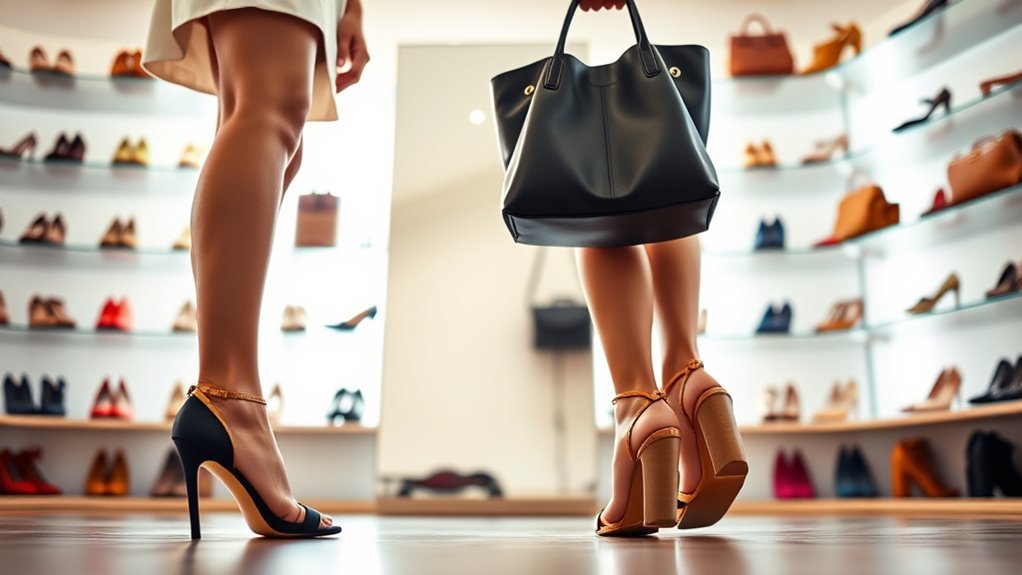
No, your handbag does not have to match your shoes. Exact matching was once a standard rule, and it still looks polished for formal events, but it is no longer expected. A better guide is to coordinate. Keep the bag and shoes at the same level of formality, in colors that share a tone or sit well together, and let only one of them be the standout piece.
Getting the Hang of Color Coordination
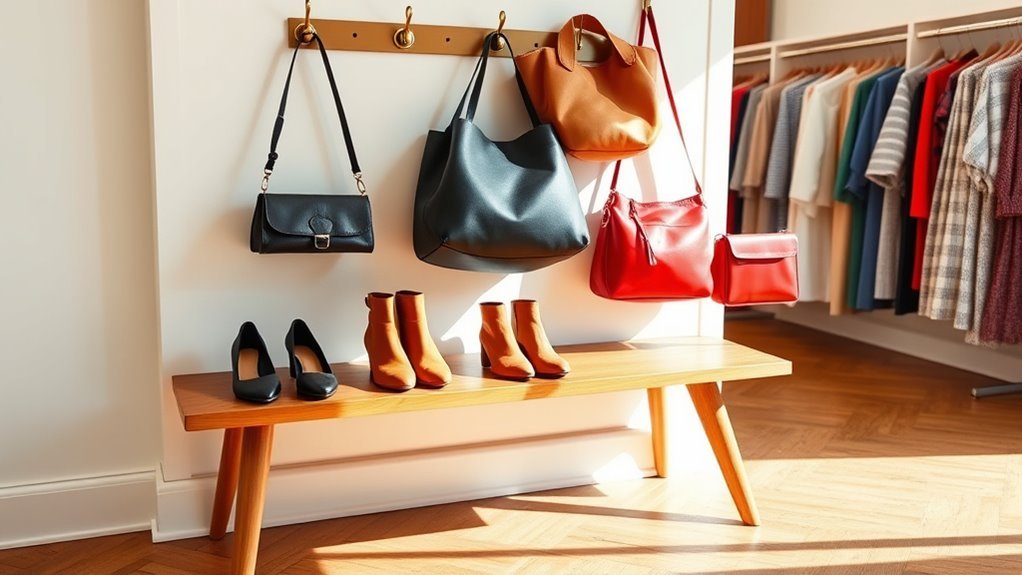
Color is the first thing people notice, so start there. You have three safe approaches.
The first is tonal: choose a bag and shoes in the same color family but different shades, such as a cream bag with tan or brown boots. The second is neutral plus color: keep one piece neutral and let the other carry the color. The third is an exact match, which is the most formal.
Pay attention to undertone. Warm colors such as tan, camel, and gold sit well together. So do cool ones such as black, grey, navy, and silver. Matching the metal on your bag to the buckles on your shoes also ties a look together.
A bright bag works best with a quiet outfit and plain shoes. Bright shoes work best with a quiet bag.
When Your Handbag Should Match Your Shoes?
Matching still makes sense in some settings. At formal events, such as weddings, galas, and black-tie dinners, a bag and shoes in the same color and a similar finish look elegant and deliberate. Satin with satin or patent with patent is the classic choice.
The table shows which pairings suit common occasions:
| Occasion | Ideal Match | Style Tips |
|---|---|---|
| Weddings | Elegant heels & clutch | Opt for similar materials |
| Corporate Events | Classic pumps & tote | Stick to neutral colors |
| Casual Outings | Stylish flats & crossbody | Add complementary hues |
Matching is also practical for travel and work. Black shoes with a black bag go with nearly everything, so you can pack less. If an exact match feels stiff, vary the texture, such as smooth leather shoes with a pebbled or quilted bag in the same color.
Creative Contrasts: Mixing Colors and Textures
For everyday wear, contrast usually looks more current than a matched set.
The simplest version is a colorful bag with neutral shoes, or the reverse. Contrast in texture works too, such as smooth leather shoes with a suede or woven bag.
Bold Color Combinations
Bold color pairings can look great, with a little planning.
Here are a few ways to do it:
- Mix unexpected pairings: Try a bright pink handbag with orange shoes—it’s a bold statement!
- Use complementary colors: A cream bag with brown shoes can improve elegance easily.
- Incorporate vibrant accents: A colorful belt can upgrade any outfit and add flair.
- Experiment with patterns: Stripes with florals keep your look fresh and enchanting.
Textured Accessory Pairings
Texture is an easy way to add interest without adding color. A smooth leather bag with suede shoes is a reliable pairing.
A quilted or woven bag stands out against plain, matte shoes. If the shoes are the textured piece, such as snake print or glitter, choose a plain bag.
Animal prints and exotic textures count as a statement. Wear one at a time, and pick up one of its colors elsewhere in the outfit.
In summer, a straw or raffia bag goes with leather sandals, espadrilles, or canvas sneakers. The mix looks relaxed.
If both pieces are heavily textured, the look gets busy, so keep one of them smooth.
Contrasting Styles Harmoniously
You can also contrast the style of the two, as long as the gap in formality is not too wide.
Some combinations that work:
- Pair a casual outfit with a formal bag for a head-turning contrast.
- Use similar colors in varying shades to maintain cohesion while adding playful flair.
- Choose bold accessories, like a vibrant clutch, to inject life into muted clothing.
- Combine a structured bag with flowy attire, highlighting differences while keeping harmony through complementary tones.
What rarely works is a wide gap, such as a beaded evening clutch with running shoes, or a canvas beach tote with stilettos.
How to Mix Textures and Colors in Different Seasons
Season changes which materials and colors feel right.
In warm months, lighter colors and materials suit both bags and shoes. In cold months, darker colors and heavier leathers and suedes take over.
Keeping the bag and shoes in the same seasonal mood matters more than matching their color.
Seasonal Color Palettes
As a rough guide through the year:
- In spring, pair soft pastels like baby blue with floral dresses for a vibrant vibe.
- Shift to summer with lightweight straw bags and casual footwear, keeping it breezy.
- As autumn arrives, embrace rich tones like burgundy and forest green, complemented by textured accessories.
- In winter, opt for quilted bags to match heavier layers, ensuring warmth and style.
Suede shoes and bags are best kept for dry days in any season.
Texture Pairing Techniques
The table pairs bag types with the clothes and textures of each season:
| Season | Outfit Type | Bag Type | Texture Pairing |
|---|---|---|---|
| Spring | Light fabrics | Woven straw bags | Relaxed and carefree |
| Summer | Casual attire | Canvas or straw totes | Comfortable and breezy |
| Autumn | Chunky knitwear | Structured bags | Sophisticated and warm |
| Winter | Heavier materials | Sleek leather bags | Contrast for depth |
A soft, slouchy bag suits casual clothes and flat shoes. A structured bag suits tailored coats, boots, and heels.
Everyday Tips for Outfit Pairing
For everyday outfits, you do not need to plan every pairing. A few habits cover most days. Choose colors that sit well together, such as cream with brown or navy with tan.
Own one bag in a neutral that goes with most of your shoes. Black, tan, taupe, and navy are the most useful.
Match the level of dress. Sneakers and a casual tote belong together. Heels and a structured bag belong together. Within that, color is free.
Look in a full-length mirror before you leave. If your eye jumps between the bag and the shoes, one of them is competing, so swap it for something quieter.
Building Your Unique Style: Balancing Trend and Personal Preference
In the end, these are guidelines, and your own taste decides. Keep these points in mind:
- Choose accessories that complement rather than match, adding creativity to your look.
- Assess the occasion. Elegance works for formal events, while mismatched pieces shine in casual settings.
- Prioritize confidence. Wear what feels authentic to you instead of just following trends.
- Incorporate a statement piece—like a bold handbag or unique shoes—to unify your outfit without overwhelming it.
Some people like a matched set and wear it well. Others never match. Both are fine, as long as the choice looks intended.
Accessorizing for Success: Final Tips
To sum up the approach: coordinate instead of matching. A cream bag with brown boots looks more modern than brown with brown, yet clearly belongs together.
Pick one statement piece per outfit. If the bag is bold, the shoes stay quiet, and the other way around.
Keep the formality level the same. Casual clothes go with relaxed bags and shoes, and dressy clothes go with structured ones.
Line up the small details where you can. Gold hardware with gold jewelry, or silver with silver, pulls a look together.
When you are unsure, go neutral on both. Neutral shoes and a neutral bag in different shades almost always work.
Frequently Asked Questions
Should Your Belt Match Your Shoes and Bag?
A belt that matches the shoes is a classic, tidy choice, especially with tailored clothes. The bag does not need to match both. Three identical pieces can look dated, so let at least one differ in shade or texture.
What Color Should Your Purse Be?
For the most wear, choose a neutral that suits your wardrobe, such as black, tan, taupe, navy, or cream. If most of your clothes are neutral, a colored bag in red, green, or blue adds interest.
Does Your Bag Have to Match Your Shoes for a Wedding?
No. For a wedding, the bag and shoes should suit the formality of the event and go with your outfit. A metallic clutch in gold or silver works with almost any shoe color. An exact match is optional.
Conclusion
Your bag and shoes do not need to match, but they should look like they belong to the same outfit. Match them for formal events if you like the effect. For everything else, coordinate color and formality, and let one piece stand out.

