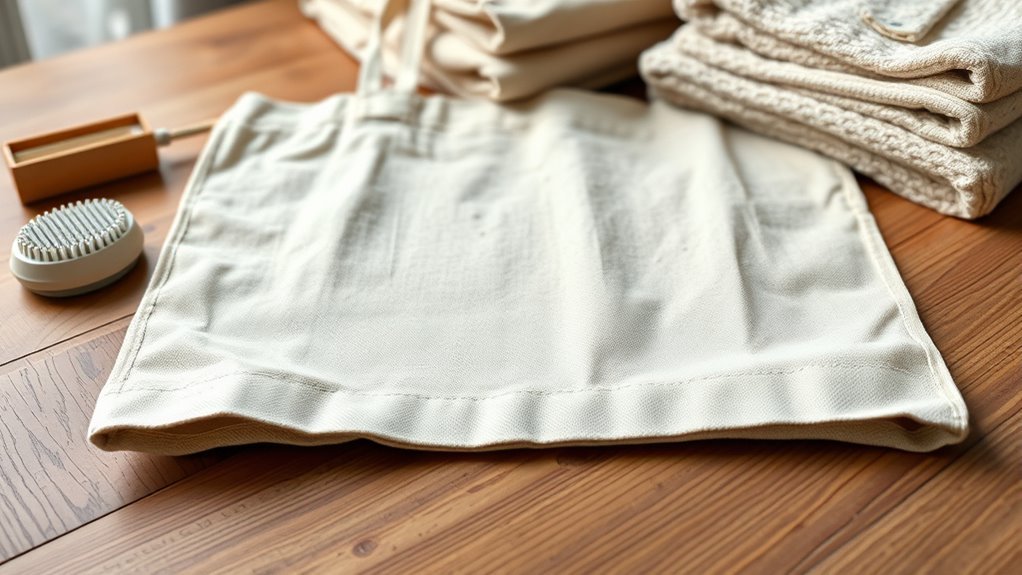
Tote bag fabric pills because repeated friction, shoulder strap rub, loose fiber ends, and weak weave construction break fibers at the surface. Synthetic blends, fleece, and low-quality cotton pill fastest, while dense canvas and tight natural weaves resist wear better. You can reduce surface wear by washing cold on a gentle cycle, turning the bag inside out, air drying, and avoiding overload. Choose smoother, tightly woven materials, and you’ll see which details matter most next.
What Makes Tote Bag Fabric Pill?
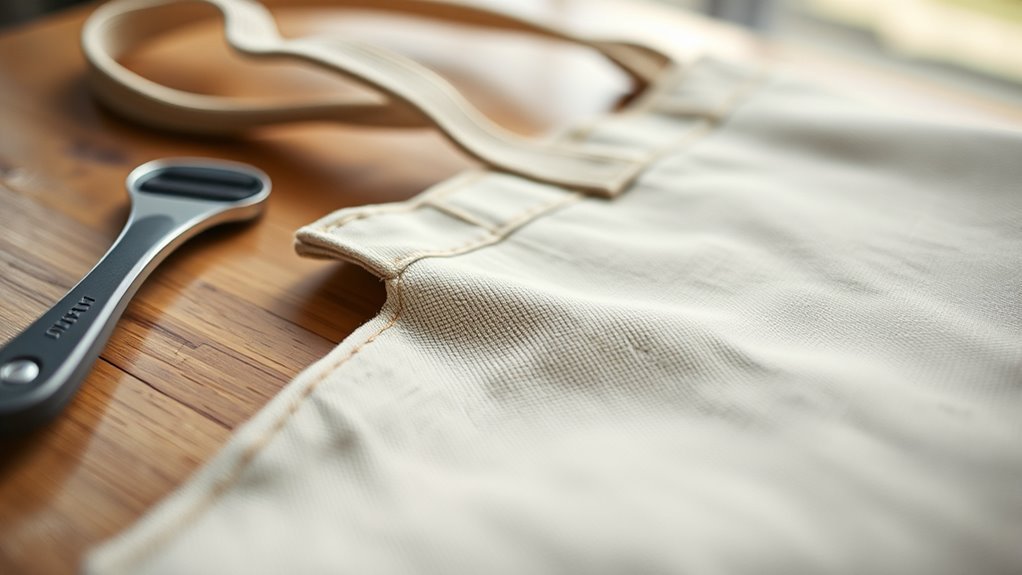
Tote bag fabrics pill when friction, fiber structure, and wear conditions combine to loosen and break fibers at the surface. You see it most when shoulder straps rub against your clothing and the bag’s textile repeats contact under load.
In many fabric blends, shorter fibers can shift, snag, and tangle more easily, so synthetic-rich constructions often show faster surface disruption. Your fiber types matter: tightly woven cloth limits movement and resists pill formation, while loosely knit structures let fibers migrate and abrade.
Humidity can weaken fibers and raise frictional damage, so the surface degrades faster in damp conditions. If you carry the same bag daily without rotating it or adding a protective layer, you increase cumulative wear.
Humidity and repeated daily wear can speed up fabric damage, making tote bags pill faster.
That repeated stress turns small surface breaks into visible pills, reducing performance and finish.
Which Tote Bag Fabrics Pill Most?
Synthetic-blend tote bags, especially those made with shorter fibers, usually pill the fastest because their fibers loosen and abrade more readily under friction.
If you’re comparing fabric types, rank them by wear response, not by appearance alone. Cotton blends and fleece also pill quickly when straps and contents keep rubbing the same zones.
Canvas and other dense natural weaves often resist pilling better, yet they’re not immune; weave structure and handling still matter.
- Synthetic blends: highest pill risk
- Cotton blends and fleece: moderate to high risk
- Canvas and tight natural weaves: lower, but variable risk
You can reduce pilling pressure by choosing smoother surfaces and tighter constructions that move less against clothing.
Rough or textured exteriors also accelerate wear on nearby garments, so your tote can damage delicate cashmere or jersey while collecting fuzz itself.
For pilling prevention, favor low-friction fabric types and inspect stress points regularly.
How Do You Wash a Tote Bag Without Pilling?
To wash your tote bag without pilling, turn it inside out so you reduce direct abrasion on the outer surface.
Use a gentle cycle with cold water and a mild, pH-neutral detergent, and skip fabric softeners because they can increase fiber clumping.
Then air-dry it flat or hang it to limit heat stress and preserve the fabric structure.
Gentle Wash Settings
When you wash a tote bag without pilling, use a gentle cycle with cold water to reduce friction and limit fiber damage. You’ll preserve the fabric’s structure by lowering mechanical stress and slowing abrasion.
For better control, follow this sequence:
- Turn the tote bag inside out.
- Place it in a mesh laundry bag.
- Use a mild, pH-neutral liquid detergent.
This setup lets you clean the bag while keeping the outer surface less exposed to impact inside the drum.
Skip fabric softeners; they can encourage fiber clumping and make surface wear more visible. By choosing restrained agitation and a chemically neutral wash, you keep the textile intact and extend the bag’s useful life without surrendering its appearance.
Protect Fabric Surface
How do you keep a tote bag smooth during washing?
Turn it inside out so the outer face absorbs less abrasion.
Use protective measures: select a gentle cycle, cold water, and a mild, pH-neutral detergent; these reduce fiber stress and support fabric maintenance.
Skip fabric softeners, because they can bind fibers and raise pilling risk.
If your machine agitates too hard, wash the bag with similar soft items to limit impact.
After the cycle, shape it flat or hang it to air dry; avoid high heat, which weakens yarns and distorts form.
Inspect the surface regularly and remove pills with a lint roller or fabric shaver.
These steps preserve texture, extend use, and keep your tote free for everyday movement.
What Daily Habits Help Prevent Tote Bag Pilling?
You can reduce tote bag pilling by minimizing daily friction: avoid overloading the bag, use smooth straps, and keep abrasive contact with clothing as low as possible.
Rotate your tote usage so no single panel or seam takes repeated wear.
Clean it on schedule and store it properly, because trapped dirt and poor storage can accelerate fiber abrasion.
Reduce Friction Daily
Daily friction is one of the main drivers of tote bag pilling, so choosing smoother, tightly woven fabrics helps limit abrasion against your clothing and reduces loose fibers. For effective friction reduction, make deliberate fabric choices that resist snagging and surface wear.
- Carry the tote against your forearm when possible; it usually reduces contact with delicate textiles.
- Keep the load moderate, because excess weight increases drag, deformation, and fiber loss.
- Apply a fabric protector spray to form a thin barrier that can slow fiber pullout.
You can also inspect the bag’s surface regularly and replace worn bags before abrasion escalates.
These small controls keep daily contact lower, preserve texture, and give you cleaner movement without compromising utility.
Rotate Bag Usage
Even with smoother fabrics and lighter loads, repeated use of the same tote concentrates abrasion on the same surfaces. You can interrupt that wear pattern through bag rotation, which disperses mechanical stress and supports fabric longevity.
Alternate between totes by task: use a heavy canvas bag for groceries, then switch to a lighter nylon or leather option for commuting. A bag-free day also matters; when you leave the tote behind, your clothing gets relief from constant rubbing, and fibers can recover.
Choose smoother materials when possible, because low-friction surfaces contact garments less aggressively. Keep each bag free of dirt and debris, since grit increases surface wear.
This routine gives you practical control over pilling risk without sacrificing mobility, letting you move more freely with less textile damage.
Clean And Store Properly
Keeping a tote bag clean and properly stored reduces the friction and compression that drive pilling. You can apply fabric maintenance tips daily to preserve fiber integrity and keep your carry system resilient. Wipe the surface with a damp cloth to remove grit before it abrades the weave. Use tote bag organization to separate sharp or rough items inside smooth pouches, limiting snag points.
- Clean gently and often to eliminate debris.
- Store it in a breathable garment bag or on a shelf, never compressed.
- Avoid overloading; excess mass increases stress and surface wear.
Rotate use with other bags so fibers recover between cycles. These habits reduce mechanical fatigue, protect texture, and keep your tote functional without sacrificing autonomy or style.
How Do You Remove Pills From a Tote Bag?
To remove pills from a tote bag, use a fabric shaver to cut away the pilled fibers cleanly without damaging the underlying material. You can pair this with pilling prevention through disciplined fabric maintenance. Use the tool in short passes, then inspect the surface.
| Tool | Function | Risk |
|---|---|---|
| Fabric shaver | Cuts pills | Low |
| Lint roller | Lifts loose fuzz | Very low |
| Fabric comb | Dislodges pills | Low |
| Damp cloth | Collects residue | Minimal |
| Regular care | Limits recurrence | Low |
If you want manual control, use a fabric comb and work with light pressure. For loose fibers, a lint roller speeds cleanup. After de-pilling, wipe the bag with a damp cloth to capture remaining lint. Repeat this process as needed, because consistent intervention keeps surface wear in check and extends useful life. That’s practical liberation through precise upkeep.
How Do You Choose a Tote Bag That Resists Pilling?
Choose a tote bag with a tightly woven fabric, such as canvas or high-quality cotton, because dense construction reduces surface friction and limits pilling. You should evaluate tote bag materials by fiber length, weave tightness, and finish. Longer fibers usually stay intact under abrasion, while short or loosely spun fibers shed faster and weaken fabric durability.
- Prioritize canvas, dense cotton, leather, or coated fabrics.
- Check for anti-pilling treatment or a pilling-resistant label.
- Avoid lightweight synthetics and loose blends.
Smooth surfaces matter because they rub less against clothing, so they help you keep your bag cleaner and structurally stable.
If you want gear that supports movement without constant maintenance, choose a bag with a hard-wearing hand and minimal fuzz potential. That way, you protect your tote from premature wear and keep your everyday carry sharp, functional, and free from unnecessary surface degradation.
Frequently Asked Questions
How to Stop Fabric Pilling?
Choose tightly woven, long-fiber fabrics for pilling prevention. You’ll reduce abrasion by washing inside out, using cold water, and a gentle cycle. You can also remove pills promptly with a fabric shaver for better fabric maintenance.
Does Pilling Mean Low Quality?
No—pilling doesn’t automatically mean low quality. Like a seasoned road showing wear, your fabric can pill from friction, not defect. You’ll assess pilling causes and fabric durability through fiber length, weave density, and construction.
What Is the Best Fabric to Avoid Pilling?
You’ll usually get the least pilling from tightly woven, long-staple cotton blends or pure cotton with minimal synthetic fibers. Choose anti-pilling finishes and dense weaves; they lock yarns down, reducing friction, fuzzing, and wear.
Is It Bad to Remove Pilling?
No, removing pilling isn’t bad; you’ll often improve appearance and limit abrasion. Good fabric care targets pilling causes—friction and loose fibers—using gentle shavers or rollers, so you won’t damage intact yarns.
Conclusion
If you want your tote bag to stay smooth, treat abrasion like a slow-cutting machine: it grinds fibers until pills form. In my own canvas tote, one month of rough laundry cycles created visible fuzz that never fully reversed. Research shows pilling usually starts after repeated friction, not a single wash. So you should wash gently, avoid overloads, and choose tighter weaves or blended fabrics. Small handling changes can meaningfully extend surface life.