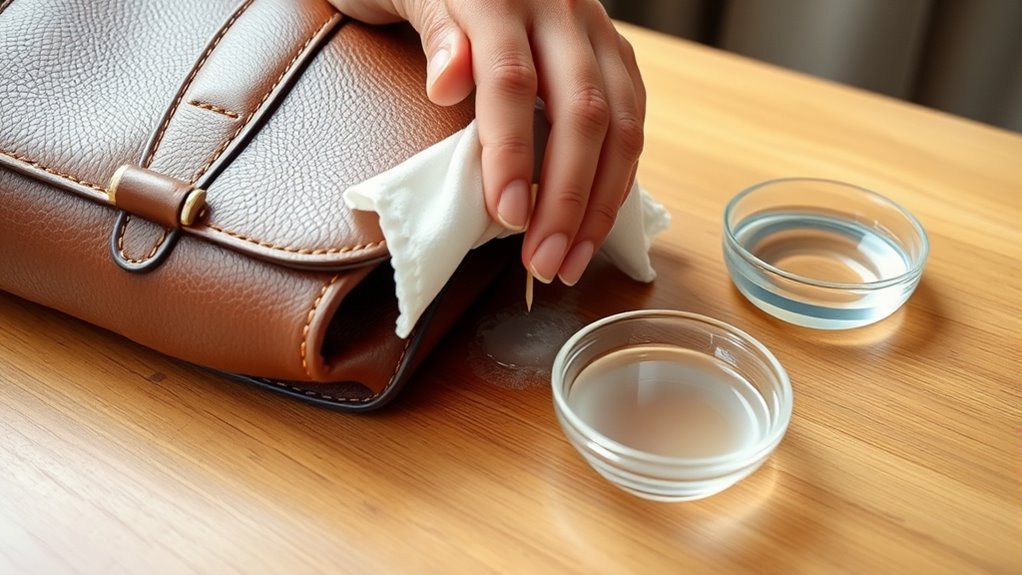
To remove sticky residue from a handbag without harm, match the method to the material. On finished leather, dab with a cloth dampened in water and a drop of mild soap, then dry and condition. On fabric and nylon, mild soap and warm water work well. On suede, let the residue dry and use a suede eraser. Avoid strong adhesive removers, alcohol and vinegar on leather. Always test on a hidden spot first.
How to Remove Sticky Residue From Leather Handbags
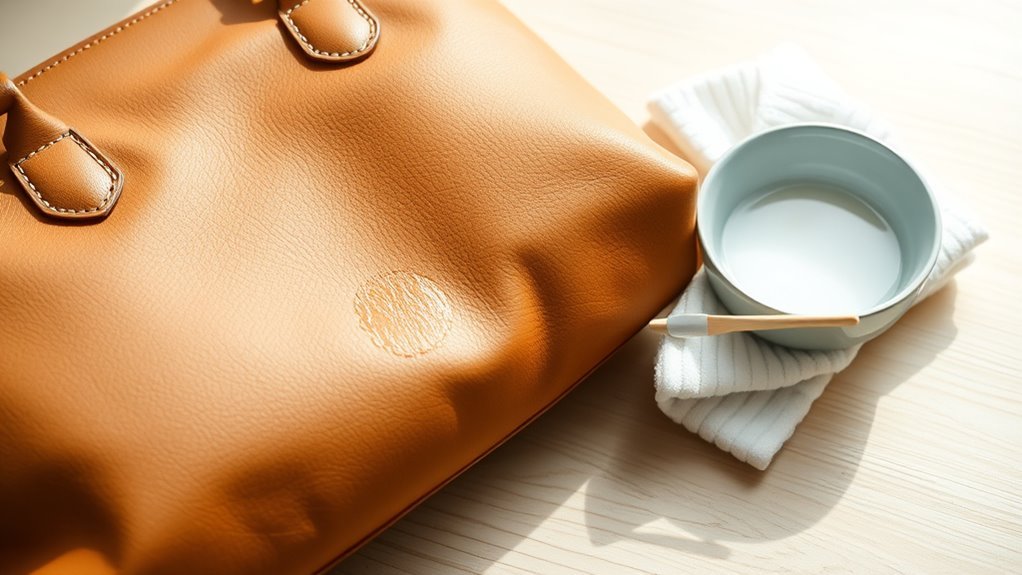
Start by working out what the sticky stuff is. Sticker glue, tape, gum, candy, spilled drinks and old conditioner all feel sticky, but they do not come off the same way.
For most residue on finished leather, mix a drop of mild, pH-neutral soap into a cup of lukewarm water. Dip a soft cloth, wring it out well and test on a hidden area. Sugary spills dissolve in water, so they usually lift at this stage.
Dab the sticky area and wipe lightly. Use as little moisture as you can, and do not soak the leather. For sticker or tape glue, roll the residue off gently with a clean fingertip, or lift it with the edge of a plastic card.
If glue remains, rub in a small drop of leather conditioner with a soft cloth. The oils soften many adhesives, so they wipe away. For gum, hold an ice cube in a plastic bag against it until it hardens, then lift it off with a plastic card.
Wipe away any soap with a clean damp cloth. Let the bag air dry in a ventilated spot, away from direct sun and heat.
Finish with a small amount of leather conditioner, about the size of a dime for a medium panel. Buff off any extra, because leftover conditioner is itself a cause of stickiness.
Do not use vinegar, rubbing alcohol, nail polish remover or all-purpose adhesive removers on leather. They can strip the finish and color.
Removing Sticky Residue From Fabric, Nylon and Suede Bags
Canvas and nylon bags are more forgiving than leather. Dab the spot with warm water and a little mild dish soap, then blot with a clean damp cloth and let it dry. For stubborn glue, a small amount of rubbing alcohol on a cotton swab often works. Test it first for color loss, and keep it away from leather trim.
Suede and nubuck should stay dry. Let the residue harden, then rub it gently with a suede eraser and lift the nap with a suede brush. Take large or oily marks to a specialist.
On metal hardware, wipe sticky film away with a soft cloth dampened in soapy water, then dry it. Do not use abrasive pads or polishes on plated hardware.
Essential Tools and Cleaning Solutions for Your Handbag
A small kit handles most sticky problems. None of it is harsh.
For cleaning, use a mild, pH-neutral soap such as baby shampoo, diluted in water, or a cleaner made for leather. Keep a leather conditioner for the final step.
Use soft, lint-free microfiber cloths to dab and lift residue without scratching. Cotton swabs help with seams and corners. Test every product on a hidden spot first.
A plastic card, such as an old gift card, lifts softened residue safely. Do not use a knife or a metal scraper.
Add an ice cube and a small plastic bag for gum, and a suede eraser if you own suede bags.
Common Causes of Sticky Residue on Leather Handbags
Sticky residue is not always something that landed on the bag. Sometimes it comes from the bag or from the products used on it. These are the common causes:
- Oil and Moisture Transfer: Storing your bag in dark, humid spaces can trap moisture, leading to stickiness.
- Over-conditioning: Using too many leather care products can create a buildup of oils and waxes, making your bag feel tacky.
- Environmental Factors: Heat and humidity can liquefy oils in leather, bringing them to the surface.
- Natural Oils from Hands: Dirt and oils from your hands can accumulate over time, resulting in a sticky feel.
There is one more cause that cleaning cannot fix. Synthetic linings and coatings, and some patent finishes, can break down with age, heat and humidity. They turn tacky all over, not in one spot. If the whole surface or lining feels sticky, the material itself is failing. It needs replacing or relining by a specialist.
Tips to Prevent Sticky Residue on Leather Bags
A few habits keep sticky residue from coming back.
Store your bag in a cool, dry place with steady temperature. Aim for moderate humidity, roughly 40 to 55 percent. Heat and damp speed up the breakdown of coatings and linings.
Wipe handles and high-touch areas with a soft, dry cloth after use. Clean the bag with a leather cleaner now and then to remove skin oils and dirt before they build up.
Go easy on conditioner. Apply a thin coat every 3 to 6 months and buff off the extra.
Use a breathable cotton dust bag, not plastic. Plastic traps moisture and can stick to patent and coated surfaces.
Peel price stickers and tape off new bags slowly, and never stick labels directly onto leather. Keep cosmetics, candy and hand cream in a pouch.
With these habits, most bags never develop a sticky film at all.
When Should You Call a Pro for Leather Care?
Some sticky problems need a professional. These signs tell you when to stop:
- Persistent Sticky Residue: If your DIY efforts fail, experts have stronger solvents and specialized techniques for leather care.
- Discoloration or Damage: After cleaning, if you notice any changes, a pro can evaluate the damage and suggest effective restoration techniques.
- Delicate Materials: High-value or delicate handbags deserve expert attention to guarantee they’re treated with care.
- Odors or Mold: Strong smells or signs of mold? Professionals can address these issues without risking further damage.
A specialist can remove residue with products that are not safe to use at home. They can also refinish leather or replace a lining that has broken down.
Frequently Asked Questions
How to Get Sticky Stuff off a Leather Purse?
Dab it with a soft cloth dampened in water and a drop of mild soap. Roll off any glue with a fingertip or a plastic card, and soften what remains with a little leather conditioner. Dry the area and condition it lightly.
Does Dawn Dish Soap Remove Adhesive?
Dish soap helps on fabric and nylon bags. Mix a drop with warm water, dab the spot and rinse with a clean damp cloth. On leather, use only a very weak mix and wipe it off, since dish soap can dry the surface. It will not dissolve strong glue.
Is Goo Gone Bad for Leather?
Yes. The maker says Goo Gone Original should not be used on leather or suede. It can stain and strip the finish. Use mild soap and water or a leather cleaner on leather.
Why Do Louis Vuitton Bags Get Sticky?
On older designer bags, stickiness usually comes from a synthetic pocket lining or coating that has broken down with age, heat and humidity. Cleaning does not fix it. The lining has to be replaced by the brand or a repair specialist.
Conclusion
Most sticky residue comes off a handbag with patience and mild products. Identify the residue, match the method to the material and test first. Keep strong solvents away from leather. If the whole lining or surface has turned tacky, or the mark will not lift, a specialist is the right next step.
Sources: Goo Gone Original: surfaces to avoid.

