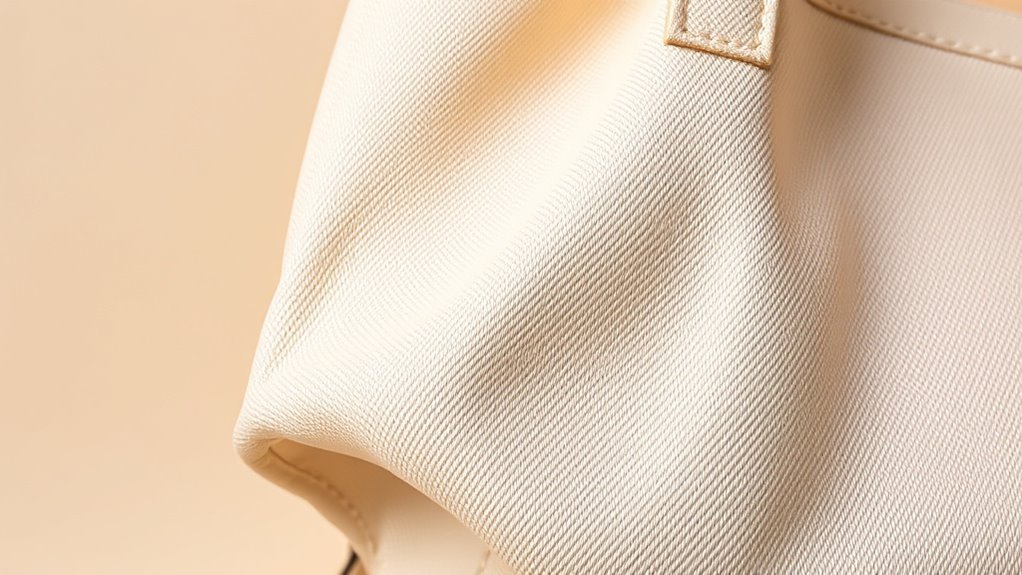
Polyester handbag fabric is a woven cloth made from polyester yarn, a plastic fiber spun from PET. It is light, holds its shape and color, resists stretching and shrinking, and dries quickly. The weave, such as plain, twill, or oxford, sets the texture and toughness, and a coating on the back adds water resistance. Many everyday fabric bags, backpacks, and linings are polyester, and 600D is one of the most common weights.
What Is Polyester Handbag Fabric?
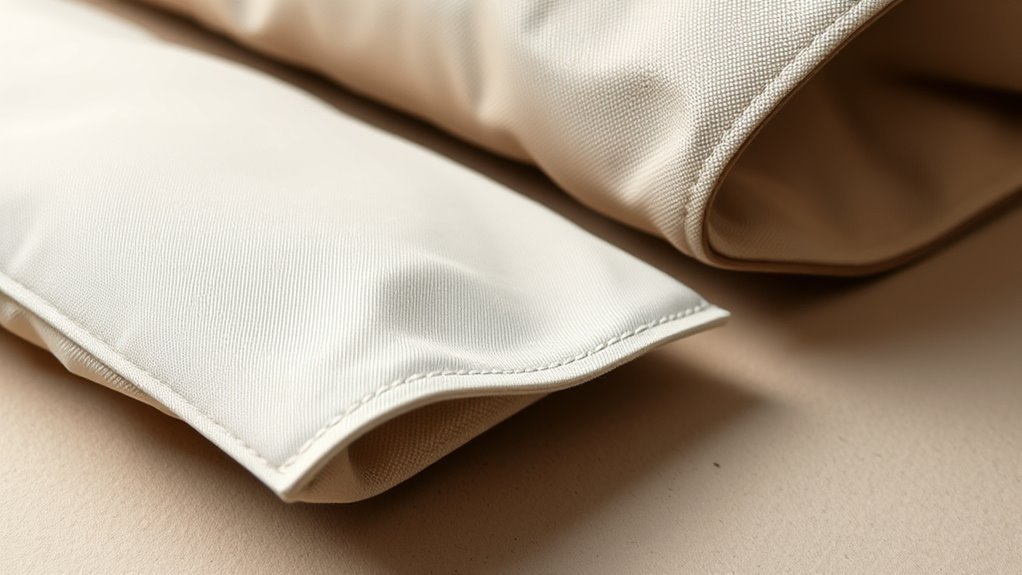
Polyester is a synthetic fiber. In bags, it is used for the outer fabric, the lining, or both.
It is popular because it is light, inexpensive, and easy to clean. It does not shrink or stretch much, and it holds dye well, so colors stay bright and prints stay sharp.
Polyester absorbs very little water. A damp bag dries fast, and the fabric is slow to mildew.
It has drawbacks too. It is made from petroleum, it does not biodegrade, and it sheds tiny fibers when washed. Recycled polyester, often labeled rPET and made from used plastic bottles, reduces the need for new raw material.
How Polyester Becomes Bag Fabric
The process starts with PET chips, the same plastic used for drink bottles. The chips are melted and pushed through fine nozzles to form long, continuous filaments.
The filaments are cooled, stretched, and gathered into yarn. The yarn is then woven into cloth.
Last, the cloth is dyed or printed and finished, often with a coating that makes it water resistant.
Polyester Fiber to Yarn
Polyester begins as a petroleum-based polymer. Melted polymer is forced through a plate of tiny holes called a spinneret, and each stream hardens into a filament.
The filaments are drawn, which means stretched to several times their length. Drawing lines up the molecules and makes the fiber much stronger. Groups of filaments are then combined into yarn.
Yarn thickness is given in denier. A higher number means a heavier yarn and a thicker fabric. Bag linings use light yarn, and outer fabrics are commonly 300D to 600D or more.
- Stronger yarn reduces early failure.
- Stretched filaments improve wear resistance.
- Pre-dyed yarn preserves aesthetic flexibility.
Some yarn is colored before weaving, by adding pigment to the melted polymer. This is called solution dyeing, and it gives very fade-resistant color.
Weaving Durable Bag Fabric
The yarn is woven on a loom, with lengthwise and crosswise threads passing over and under each other. The pattern of that crossing is the weave.
A tight weave locks the yarns in place, so the fabric keeps its shape and resists snagging.
Woven polyester is strong for its weight, which is why it is used for backpacks, travel bags, and totes that carry real loads.
Finishing for Bag Use
Bare woven polyester lets water through the gaps between yarns. So most bag fabric is finished. A PU or PVC coating on the back blocks water, and a DWR finish on the face makes rain bead up.
Other finishes add stiffness, a softer feel, or stain resistance. These treatments often change how the fabric performs more than the fiber itself does.
- You get lightweight strength, which lets the bag stay structured without bulk.
- You gain cleaner performance in variable environments through targeted finishing treatments.
- You preserve appearance and service life through quality control that checks wear resistance.
Why Polyester Works for Handbags
Polyester suits handbags for a few plain reasons. It is durable enough for daily use and resists scuffs reasonably well.
It is light, so the bag itself adds little weight. It also shrugs off light rain and spills, and it dries quickly.
It holds color well and resists fading in sunlight better than nylon does. A bag that keeps its looks is a bag you keep using.
It is also cheap to produce and easy to print, which is why it comes in so many colors and patterns.
Polyester Weave Types and Texture
You can often tell the weave by looking closely at the surface.
Plain weave is flat and even. Twill has fine diagonal lines. Oxford has a small basket-like texture. Satin weave is smooth and shiny, and is used for linings and evening bags.
Ripstop has a grid of thicker threads that you can see as small squares.
Weave Structure
Each weave has a job.
Plain weave is the simplest and most stable. It is used for linings and light bags.
Twill is denser and drapes better, with a diagonal rib that hides dirt and wear. Oxford weave pairs the yarns for a thicker, tougher cloth, and it is the usual choice for backpacks and everyday bags.
Jacquard weaves a pattern into the cloth itself, which is how some logo and monogram fabrics are made.
- Plain weave supports abrasion resistance.
- Twill balances toughness and style.
- Oxford weave is the usual choice for everyday bags and backpacks.
Texture Variations
Weave and finish together decide how the fabric feels. A coated oxford is firm and a little stiff. A twill is softer and more fluid. A satin is slick and shiny.
Yarn type matters too. Smooth filament yarn gives a shiny, slippery fabric. Textured yarn gives a matte, cotton-like feel, which is how polyester canvas is made.
Ripstop adds tear resistance without much weight. Coatings and softeners then adjust stiffness and water resistance.
How Weave Affects Durability
A tighter weave with heavier yarn gives a stronger, more abrasion-resistant fabric. Dense cloth also holds stitches better, which matters at seams and handle attachments.
A loose weave is lighter and softer but snags and frays more easily. These points sum it up:
- Tight weaves increase resistance to scuffing and seam stress.
- Ripstop grids stop small tears from spreading.
- Two-up, one-down and three-up, one-down patterns strengthen structure while staying visually stable.
For a bag that will carry weight every day, look for 600D oxford or a similar dense weave.
Check the base and corners in particular, since those wear through first.
Best Uses for Polyester Handbag Fabric
Polyester is a good fit for everyday bags, school and work backpacks, travel totes, gym bags, and reusable shopping bags.
It suits bags that get wet or dirty, because it wipes clean and dries fast.
It is also used to imitate other materials. Polyester canvas, faux suede, and satin are all polyester fabrics with different weaves and finishes.
Recycled polyester bags are widely available, and they are used and cared for in the same way as new polyester.
For very hard use, such as luggage that is dragged and thrown, nylon usually lasts longer.
How to Care for Polyester Handbags
Polyester is one of the easiest bag fabrics to care for. Wipe marks with a cloth dampened in mild soapy water, then with plain water.
If the care label allows machine washing, use cold water and a gentle cycle, with the bag in a mesh laundry bag. Air dry it. High dryer heat can damage coatings and warp the fabric.
Do not use bleach or a hot iron. Store the bag clean and dry, in a breathable cover.
- Spot clean fast to limit stain penetration.
- Match washing method to the care label.
- Use storage that protects airflow and form.
Is Polyester Handbag Fabric Waterproof?
Polyester fabric is water resistant, not waterproof. The fiber itself absorbs very little water, but water can still pass between the yarns.
A tight weave and a coating improve resistance a great deal. A PU-coated polyester will keep out rain for a good while.
Even then, water gets in through seams and zips unless they are sealed. In heavy rain, use a rain cover or keep electronics in a waterproof pouch.
If the bag gets soaked, empty it and let it dry fully before you store it.
Polyester vs. Canvas, Nylon, and Leather
Polyester sits in the middle of the common bag materials.
Compared with nylon, polyester is cheaper and resists sun fading better, but nylon is stronger and more abrasion resistant at the same weight. Compared with cotton canvas, polyester is lighter, dries faster, and resists mildew, though canvas has a natural feel that many people prefer.
Compared with leather, polyester is far lighter and cheaper and needs almost no care. Leather lasts longer with good care and can be repaired and reconditioned. In short:
- Canvas absorbs moisture and demands more caution.
- Nylon is usually stronger and more abrasion resistant, while polyester resists sun fading better and costs less.
- Leather offers status, yet it raises sustainability concerns and limits flexibility with changing fashion trends.
Frequently Asked Questions
How Is Polyester Fabric Made?
PET chips are melted and pushed through a spinneret to form filaments. The filaments are stretched for strength, gathered into yarn, and woven into cloth, which is then dyed and finished.
What’s the Difference Between Mesh and Polyester?
Polyester is a fiber, and mesh is a fabric structure with open holes. Most mesh on bags, such as side pockets and back panels, is in fact made of polyester or nylon.
What Does Polyester Look Like?
It depends on the yarn and weave. It can be smooth and shiny like satin, matte like canvas, or coarse like oxford cloth. Colors are usually bright and even.
Conclusion
Polyester handbag fabric is light, colorfast, easy to clean, and affordable. The weave and the coating decide how tough and water resistant a given bag is. For daily use, a dense weave such as 600D oxford with a PU coating is a reliable choice.

