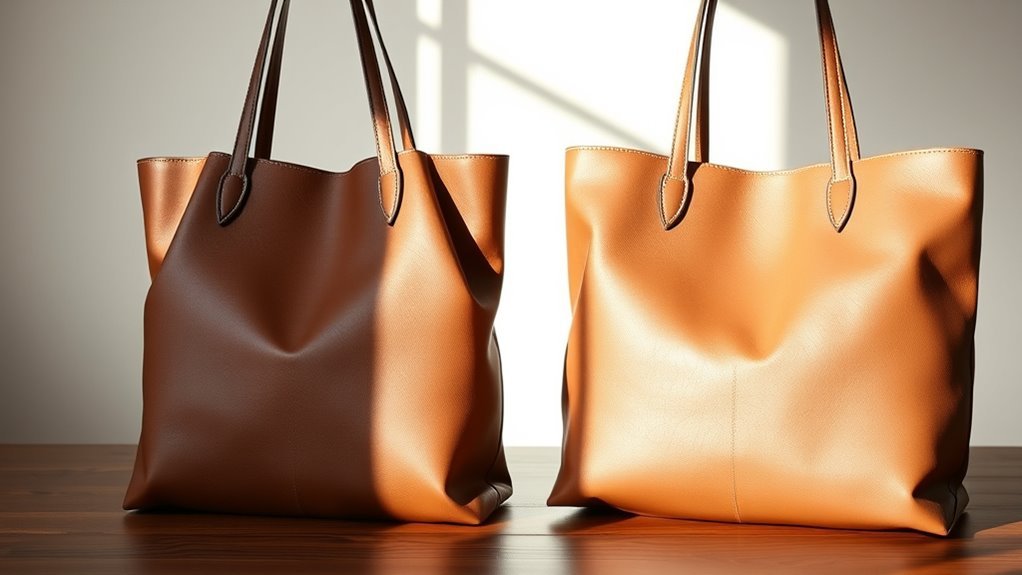
Aniline and semi-aniline are two ways of finishing leather. Aniline leather is dyed all the way through and left without a pigmented coating, so the natural grain shows fully. It feels soft and rich, but it stains, scratches and fades easily. Semi-aniline leather gets the same dye plus a thin protective coat with a little pigment. It looks more even and resists wear better. For an everyday bag, semi-aniline is usually the more practical choice.
Understanding Aniline Leather: Characteristics and Uses
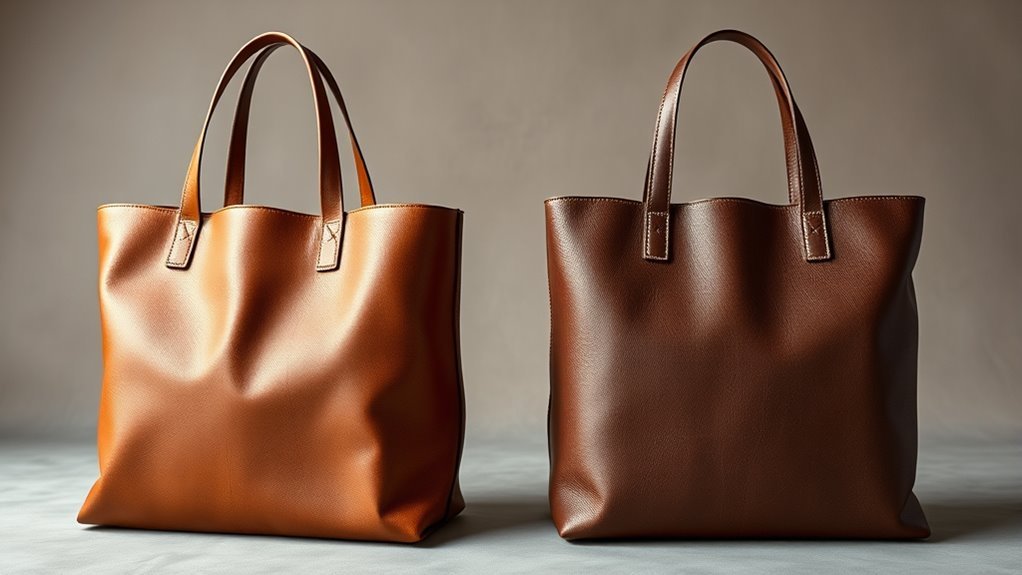
Aniline leather is colored with transparent dyes that soak into the hide. Because the dye is see-through, every pore, wrinkle and natural mark stays visible.
It has little or no protective coating. That gives it a very soft, warm feel, but it also leaves the surface open. Water, oils and ink soak in quickly, and sunlight fades the color.
Only clean, high-quality full-grain hides are used, since there is no coating to hide flaws. This is one reason aniline leather costs more.
With use, aniline leather darkens and develops a patina. Many people love this aged look, though it is hard to keep an aniline bag looking new.
Key Differences Between Aniline and Semi-Aniline Leather
The two finishes differ mainly in how even the color is and how well the surface is protected.
Aniline shows the hide as it is, with natural variation and no pigment layer.
Semi-aniline adds a light coat that evens out the color and gives some resistance to stains and scratches, while keeping most of the natural look.
Color Uniformity Comparison
Color is the easiest difference to see.
Aniline leather varies in shade across a single panel. Scars, insect bites and growth marks all show, so no two bags are alike.
Semi-aniline leather has a small amount of pigment in its finish. The color is more even from panel to panel, but you can still see the grain and pores.
The protective coat also slows fading and makes spills less likely to leave a mark.
Aniline changes a lot as it ages. Semi-aniline changes more slowly and stays closer to how it looked when new.
Durability and Maintenance Needs
Durability and care are where the two finishes differ most in daily use.
Aniline leather has no real barrier. A drop of water darkens it at once, and hand oils leave darker patches on handles. It suits careful or occasional use.
Semi-aniline leather resists light spills, rubbing and scuffs better, thanks to its thin finish. It is the better match for a bag you carry every day.
Aniline needs products made for unfinished leather, and they must be tested first because it darkens easily. Semi-aniline can be wiped with a slightly damp cloth and cleaned with a mild, pH-neutral leather cleaner.
Neither finish is as tough as fully pigmented leather, which has a thicker, opaque coating. Pigmented leather is the most resistant of the three, but it looks and feels the least natural.
Exploring Semi-Aniline Leather: Features and Benefits
Semi-aniline leather starts the same way as aniline. The hide is dyed through with transparent dye. Then a thin finish with a small amount of pigment is applied to the surface.
That thin layer makes the leather more resistant to stains and wear than full aniline, without hiding the grain.
It still feels soft and natural, though slightly less so than aniline. It develops a patina too, only more slowly.
Condition it lightly every 3 to 6 months to keep it supple.
Why Semi-Aniline Leather Bags Are a Great Choice
For most people, semi-aniline offers the best balance. It keeps much of the beauty of natural leather and adds enough protection for daily life. The table sums up its main features:
| Feature | Semi-Aniline Leather | Benefits |
|---|---|---|
| Durability | Thin protective coating | Better resistance to light scratches and stains |
| Aesthetic | Retains natural beauty, uniform color | Consistent and appealing look |
| Maintenance | Easy to clean | Requires conditioning every 3-6 months |
It copes better with rain, hand cream and the odd spill. It is also usually a little cheaper than full aniline, because hides with small flaws can be used.
Common Drawbacks of Aniline Leather Bags for Everyday Use
Aniline leather is beautiful, but it asks a lot of its owner. With no protective coat, it marks from water, oils, ink and makeup.
It also scratches easily. Light scratches can often be rubbed out with a fingertip, but they return with everyday use.
Consider these factors:
- Regular exposure to sunlight can cause fading, diminishing your bag’s look.
- Specialized cleaners and conditioners are essential, adding complexity to maintenance.
- The high price point makes it less accessible for those seeking durable everyday options.
- Frequent upkeep may not suit your busy lifestyle.
How to Maintain Aniline and Semi-Aniline Leather Bags
Both finishes last longer with gentle, regular care. Dust the bag with a soft, dry cloth. For semi-aniline, use a mild, pH-neutral leather cleaner when needed. For aniline, use only products labeled for aniline or unfinished leather.
Condition both types lightly every 3 to 6 months. Use very thin coats on aniline, since it absorbs product fast and can darken. Test every product on a hidden spot first and let it dry before you judge the color.
Blot spills at once with a soft, dry cloth. Do not rub, because rubbing spreads the stain and can lift color. Keep both types away from direct sun and heat, and consider a protector spray made for aniline leather.
Choosing the Right Leather: Aniline vs. Semi-Aniline
The right finish depends on how you will use the bag. Compare the two on these points:
- Natural Appearance: Aniline leather displays the hide’s unique grain, while semi-aniline offers a more uniform look.
- Durability: Semi-aniline is tougher against scratches and stains, ideal for everyday use.
- Maintenance: Aniline requires diligent leather care, whereas semi-aniline is easier to maintain with less frequent conditioning.
- Cost Considerations: Aniline is pricier due to its quality, while semi-aniline gives you durability at a budget-friendly price.
A simple test helps you tell them apart in a shop, if the seller allows it. Put a tiny drop of water on a hidden spot. On aniline it soaks in and darkens the leather within seconds. On semi-aniline it sits on the surface for a while first.
For a daily work bag or anything light in color, semi-aniline is the safer choice. For an occasional bag that you want to age with character, aniline is rewarding.
If a label says only genuine leather with no finish named, ask the seller. Most handbags are semi-aniline or pigmented.
Final Thoughts on Selecting the Best Leather Bag for Your Needs
Both finishes come from good leather. The difference is in how much protection sits on top.
Aniline gives the most natural look and feel, with the least protection. Semi-aniline gives up a little softness for a more even color and better resistance.
Aniline rewards careful owners with a rich patina.
Semi-aniline forgives everyday accidents and needs less attention.
Think about your habits honestly. If you set your bag on floors, carry it in the rain and use hand cream, choose semi-aniline.
If you baby your bags and love a lived-in look, aniline will suit you well.
Frequently Asked Questions
What Are the Five Grades of Leather?
There is no official grading system. A common guide lists full-grain, top-grain, corrected-grain, split and bonded leather, from most to least durable. Aniline and semi-aniline describe the finish, not the grade, and they are normally used on full-grain or top-grain hides.
Which Is Better, Aniline or Semi-Aniline?
For everyday bags, semi-aniline is usually better, because it resists stains and fading. Aniline is better if you value the most natural look and feel and do not mind extra care.
What Are the Disadvantages of Aniline Leather?
It stains easily, scratches, fades in sunlight and darkens where it is handled. It also costs more and needs products made for unfinished leather.
What Are the Differences Between Aniline and Semi-Aniline Leather?
Aniline leather is dyed through and left without a pigmented coating, so it shows natural variation. Semi-aniline has a thin protective finish with a little pigment, which makes the color more even and the surface more durable.
Conclusion
Aniline and semi-aniline leather both show the natural grain of the hide. Aniline is softer and more natural but marks easily. Semi-aniline adds a thin protective coat that makes it more even and more practical. Choose aniline for beauty and character, and semi-aniline for a bag you will carry every day.

