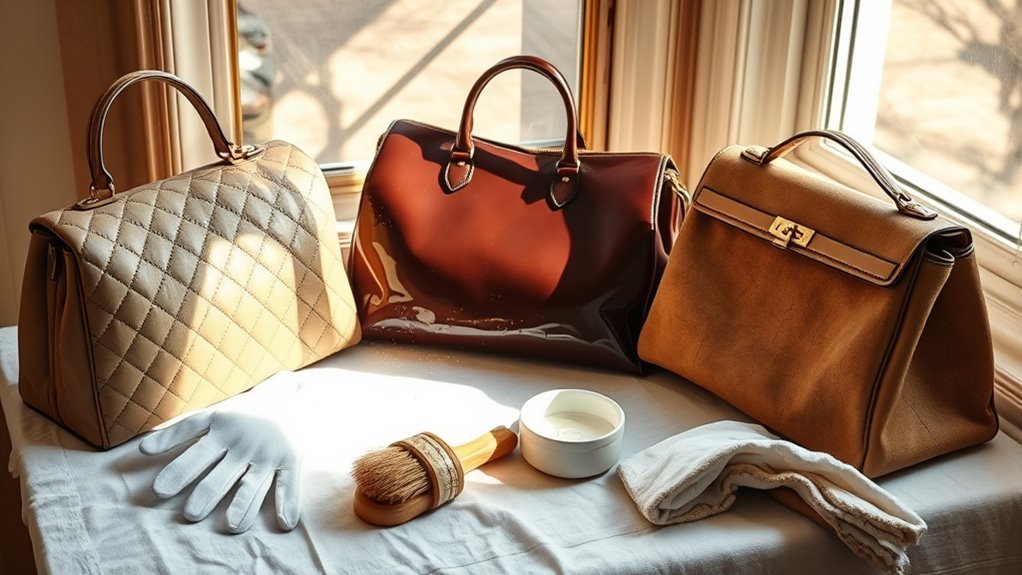
Vintage handbags need gentler care than new ones. Their leather is drier, their finishes are thinner and their stitching and linings may be brittle. Dust them often, clean them rarely and always test a product on a hidden spot first. Condition the leather lightly every 3 to 6 months, store the bag stuffed and covered in a cool, dry place, and leave major repairs or recoloring to a specialist.
Understanding the Unique Needs of Vintage Leather Handbags
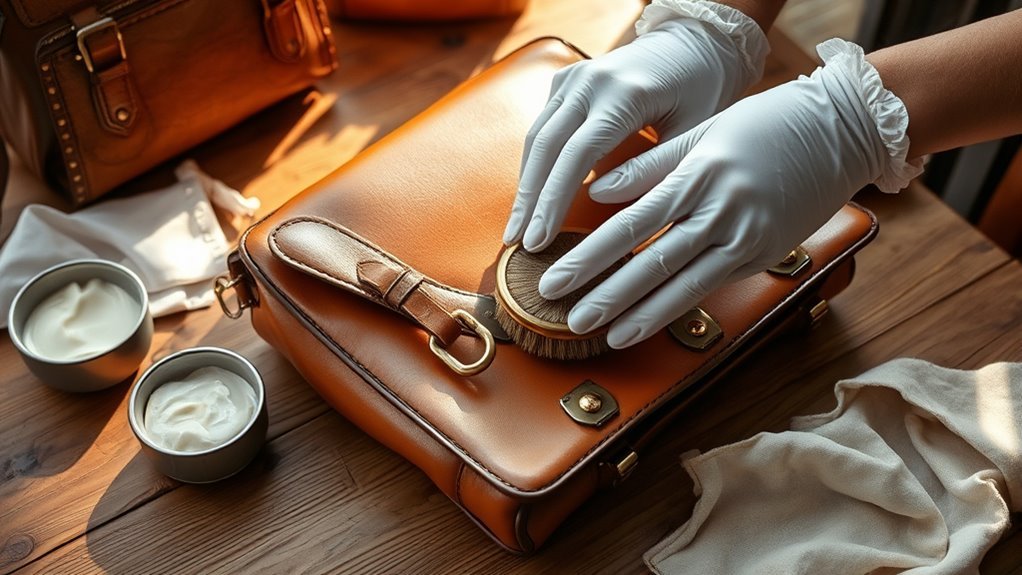
Age changes leather. Over decades it loses oils, the finish wears thin and the color fades unevenly. A product that is safe on a new bag can strip or darken an old one.
The type of leather matters too. Vegetable-tanned leather darkens with age and marks easily with water. Soft leathers such as lambskin scratch and dry out. Patent, suede and exotic skins each have their own weak points.
Before you do anything, look the bag over in good light. Check for dry or cracked areas, loose stitching, lifting edges, a sticky or flaking lining and tarnished hardware. Note what you find so you know where to be careful.
Then follow one rule: do less. Avoid household cleaners, alcohol, baby wipes and soaking. On a vintage bag, the gentlest method that works is the right one.
Essential Cleaning Techniques for Vintage Leather
Start dry. Wipe the bag with a soft, dry cloth or a soft brush to remove dust from the surface, seams and hardware.
If the bag needs more, test a leather cleaner on a hidden area and wait until it dries. If the color and sheen are unchanged, clean the rest with a barely damp cloth, using light strokes. Do not scrub, since old finishes lift easily.
For a stubborn mark, try a cleaner made for that type of leather before anything stronger. If it does not come out with gentle effort, leave it. A faint mark is better than a bare patch.
Deep cleaning once or twice a year is enough. A quick dusting after each use does more good than frequent wet cleaning.
How to Select the Best Conditioner for Vintage Leather
Old leather is usually dry, so conditioner matters. Choose a light cream or lotion made for the type of leather. Heavy oils and greases can darken vintage leather for good and leave it sticky.
Avoid products with alcohol, silicone or strong solvents. Skip cooking oils and petroleum jelly as well.
Always test first. Apply a little conditioner to a hidden spot and check it the next day. Some darkening is normal while the leather is damp, but it should even out.
Apply a thin coat with a soft cloth, let it absorb and buff off the extra. Very dry leather does better with two light coats a few days apart than with one heavy one. After that, condition every 3 to 6 months.
Fixing Scratches and Scuffs on Your Vintage Bag
Scratches and scuffs are part of the story of a vintage bag, and not all of them need fixing. Light ones often blend in with care.
For a light scratch, rub it gently with a clean fingertip, then apply a little leather conditioner. For deeper scratches, a leather repair kit with filler and a matching colorant can help. Follow the instructions and test the color on a hidden area first. Do not use olive or coconut oil, which can darken the leather and turn rancid.
Regular conditioning prevents many scratches from showing, because supple leather marks less than dry leather.
After any treatment, buff the area with a soft, dry cloth. On a valuable or collectible bag, ask a restorer before using filler or color, since heavy repairs can lower its value.
How to Safely Recolor Faded Leather
Fading is common on vintage leather, especially on corners, handles and the side that faced the light.
Small faded areas can be touched up at home. Work carefully and follow these steps:
- Choose the Right Dye: Select a leather dye that matches the original color for even coverage and a natural look.
- Patch Test: Always perform a patch test on a hidden area to guarantee color compatibility and avoid adverse reactions.
- Layered Application: Use a soft cloth or sponge to apply the dye in thin layers, allowing each to dry completely before adding another. This prevents uneven coloration.
Use a recoloring balm or cream for small areas. It is more forgiving than liquid dye. Finish with a leather sealer if the product calls for one.
Recoloring a whole bag is a job for a professional. It is hard to get even, it cannot be undone and it changes the original finish, which matters to collectors.
If the bag is rare or valuable, a little honest fading is usually better than a full recolor.
Smart Ways to Store Your Vintage Handbags
Storage does more for a vintage bag than any product. Keep it in a cool, dry place with steady temperature, out of direct sunlight.
Use a breathable cotton dust bag or a pillowcase. Stuff the bag lightly with acid-free tissue paper so it keeps its shape. Do not use newspaper, which can transfer ink, or plastic, which traps moisture.
Aim for moderate humidity, about 40 to 55 percent. Damp air brings mold, and very dry air makes old leather crack.
Take stored bags out every month or two. Air them, check for mold, stickiness or pests and change the tissue if it feels damp.
Store bags upright with space between them. Old finishes, and patent leather above all, can stick to each other or pick up color from a neighbor.
Wrap chains and metal handles in tissue so they do not press marks into the leather.
Protecting Your Leather From Environmental Damage
Light, heat, moisture and dry air are the main enemies of old leather. Protect a vintage bag from each of them:
- Store Properly: Keep your handbags in a cool, dry place, away from direct sunlight to prevent fading and drying out.
- Condition Regularly: Apply a leather conditioner to maintain moisture and combat issues caused by environmental factors.
- Use Protective Covers: Dust bags or soft cloths can shield your handbags from scratches and dust during storage.
Avoid extremes. Do not leave a vintage bag in a hot car, near a radiator or in a damp basement.
A leather protector spray can help against light rain and stains. Test it first, because some sprays darken old or unfinished leather.
On wet days, choose a different bag. Water marks are hard to remove from aged leather.
Maintaining Hardware and Lining for Longevity
Hardware and linings age too, and they are often the first parts to fail.
Wipe metal parts with a soft, dry cloth. Most vintage hardware is plated, so avoid abrasive metal polish, vinegar and baking soda, which wear the plating away. Some tarnish is normal and suits an older bag.
Clean a fabric lining by lifting out crumbs with a lint roller and dabbing marks with a cloth dampened in mild soapy water. Test first and do not soak it. If an old synthetic lining is sticky or flaking, it is breaking down and needs replacing by a repair shop.
Store the bag so the hardware does not rest on the leather. Slip a piece of tissue under clasps and buckles.
Place a silica gel packet inside the bag in humid climates to absorb moisture, and replace it from time to time.
Unclip detachable straps and store them loosely coiled in the bag. Check stitching at the handles now and then, since old thread can turn brittle.
Regular Care Routines to Extend Your Handbag’s Life
A simple routine keeps a vintage bag in good condition without overdoing it.
Dust it after use, clean it lightly once or twice a year and condition it every 3 to 6 months.
Store it properly between outings, and carry it lightly. Old handles and seams are not as strong as they once were.
Cleaning Techniques for Longevity
Cleaning a vintage bag is about removing dirt without removing finish.
Keep to these three cleaning habits:
- Dust Regularly: Use a soft, dry cloth to dust your handbag often, preventing dirt buildup and maintaining its pristine appearance.
- Clean Periodically: Every 6-12 months, apply a leather-specific cleaner in circular motions, avoiding oversaturation that can damage the finish.
- Store Properly: Keep your handbag in a cool, dry place, using a dust bag or soft cloth to shield it from dust and scratches, while allowing it to retain its shape.
When in doubt, stop and ask a specialist. It is easier to clean a bag later than to restore a finish that has been rubbed away.
Conditioning for Softness
Conditioning keeps old leather flexible, which protects it from cracking at folds and handles.
Use a light conditioner suited to the leather, every 3 to 6 months. Bags stored in dry, heated rooms may need it a little more often.
Apply it with a soft cloth in thin, even strokes, let it absorb and buff away the extra. Do not use household oils, which leave residue and can darken the leather.
Do not condition suede, nubuck or patent leather with ordinary products. They need their own care products.
Proper Storage Methods
Good storage habits come down to three things:
- Climate Control: Store your handbag in a cool, dry place, away from direct sunlight and heat sources to prevent fading and drying out of the leather.
- Protection: Use dust bags or soft cloths to shield your handbag from dust and scratches while stored.
- Shape Maintenance: Stuff the handbag with acid-free tissue paper to maintain its shape and prevent creasing.
Air stored bags every month or two, and keep an eye on humidity.
A musty smell means damp. Air the bag in a dry, shaded place and put an open box of baking soda or a charcoal sachet beside it in a closed container for a few days.
Frequently Asked Questions
What Year Is Considered Vintage for Purses?
There is no strict rule, but vintage usually means at least 20 years old. Pieces over 100 years old are generally called antique.
How to Clean and Restore a Vintage Leather Bag?
Dust it, test a leather cleaner on a hidden spot and clean it gently with a barely damp cloth. Let it dry, then condition it lightly. Treat scratches and fading only where needed, and take structural repairs to a specialist.
Does Vaseline Preserve Leather?
No. Petroleum jelly does not nourish leather. It sits on the surface, attracts dust, can darken the color and leaves a greasy film. Use a conditioner made for leather.
What Is the Best Oil to Restore Old Leather?
Skip kitchen oils such as olive and coconut. They can darken leather, turn rancid and leave it sticky. A conditioner made for leather is the safer choice, used in thin coats.
Conclusion
A vintage handbag lasts longest with gentle, regular care. Dust it, clean it rarely, condition it lightly and store it stuffed and covered in a cool, dry place. Protect the hardware and lining, and leave recoloring and repairs on valuable pieces to a specialist. Looked after this way, an old bag can stay in use for many more years.

