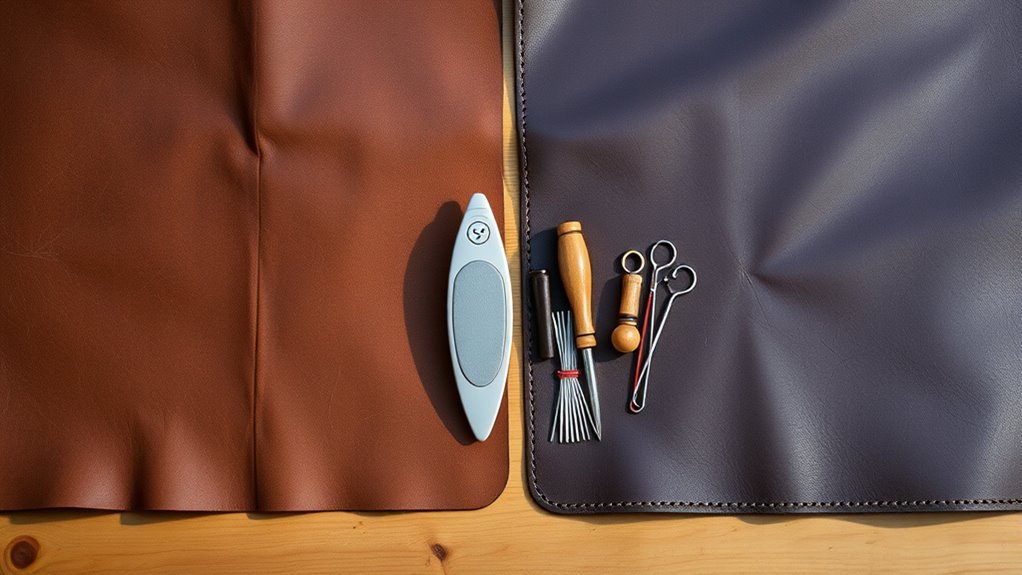
Full-grain and corrected-grain leather both come from the top layer of the hide. The difference is what happens to the surface. Full-grain leather keeps its natural grain, with all its marks. Corrected-grain leather is sanded smooth, embossed with an artificial grain and coated with pigment. Full-grain is stronger and ages with a patina. Corrected-grain looks uniform, resists stains and costs less. Each suits different bags.
What Is Full-Grain Leather and Why It Matters?
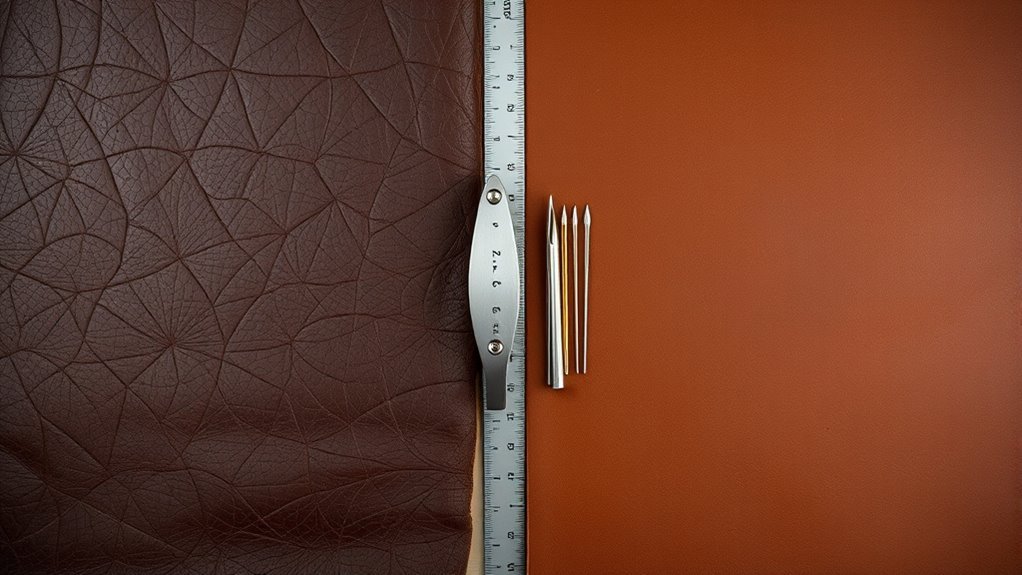
Full-grain leather is the outer layer of the hide with its surface left intact. It is not sanded or buffed, so the natural grain, pores and small marks remain visible.
That outer layer has the tightest, densest fibers in the hide. Keeping it whole is what makes full-grain leather so strong.
Because nothing hides the surface, only cleaner hides can be used. Scars, insect bites and wrinkles all show. This limits supply and raises the price.
Full-grain leather changes with use. It darkens, softens and develops a patina, which many people see as its best quality.
Defining Characteristics of Corrected-Grain Leather
Corrected-grain leather starts as a hide with too many surface marks to be sold as full-grain. The top is sanded to remove them.
A new grain pattern is then pressed into the surface, and a pigmented finish is applied. The result looks even from one end of the hide to the other.
The amount of correction varies. Lightly buffed leather keeps more of its strength and natural feel. Heavily sanded and coated leather feels stiffer and more like plastic.
Surface Treatment Process
The correction process changes both the look and the behavior of the leather.
It follows four main steps:
- Sanding techniques are employed to remove visible flaws, creating a smoother surface.
- Buffing further refines the texture, ensuring uniformity.
- An artificial grain is often added through embossing effects, changing the leather’s natural look.
- Finally, it’s coated with semi-aniline or pigmented dyes for durability, though this may compromise some softness and patina development.
Pebbled and crosshatch textures are common examples of embossed grain. They hide scratches well, which is one reason they are popular for everyday bags.
Quality Assessment Criteria
Corrected-grain leather varies a lot in quality, so it is worth knowing what to look for.
Good corrected-grain leather has a thin, flexible finish. Bend it and the surface should crease finely, not crack or wrinkle like a plastic film.
Look at the grain. A pattern that repeats exactly across the surface is embossed. A very thick, glossy coating that hides all pores is a sign of heavy correction.
Used well, corrected-grain leather is a sound, practical material. It is found in many mid-priced bags, shoes and furniture.
Comparing Full-Grain and Corrected-Grain Leather
The two leathers differ most in durability, looks and care.
Full-grain is stronger and ages with character.
Corrected-grain is more uniform, more stain-resistant and cheaper, but its finish can wear or crack over many years.
Durability and Longevity
Full-grain leather is the more durable of the two, because its strongest fibers are untouched. With care it can last for decades.
Corrected-grain leather loses a little strength to sanding. Its coating protects it from stains and scuffs at first, but when the coating wears through or cracks, it cannot develop a patina to hide the damage.
Consider these points for durability and longevity:
- Thickness: Full-grain keeps the densest fibers of the hide, so it resists tearing.
- Usage Scenarios: Full-grain suits daily wear. Corrected grain may show wear faster.
- Maintenance Tips: Corrected-grain needs less care, while full-grain rewards regular conditioning.
- Aging: Full-grain ages gracefully, while corrected-grain may not retain its appearance.
Aesthetic Appeal and Finish
The two leathers look quite different, and neither look is wrong.
Full-grain leather shows natural variation. No two panels match exactly, and the color deepens with age. It is usually finished with transparent dyes that let the grain show.
Corrected-grain leather looks even and consistent. Every panel matches, which suits clean, modern designs and bright colors.
Full-grain shows scratches and water marks more readily, though they blend into the patina. Corrected-grain hides them better at first.
Why Full-Grain Leather Is a Great Choice for Your Bag
Full-grain leather is the usual choice for bags meant to last and to look better with age.
It offers these advantages:
- Durability: It’s very strong and often outlasts corrected-grain leather.
- Breathability: Its open surface lets air and moisture pass, so it does not feel like plastic.
- Aesthetic Flexibility: You can choose from many dyeing and finishing options to match your style.
The costs are a higher price, more visible natural marks and more care. Water, oils and scratches all leave their trace.
Pros and Cons of Corrected-Grain Leather in Bag Making
Corrected-grain leather has real strengths as well as limits.
It looks uniform, resists stains and light rain, wipes clean easily and costs less. For makers, it is easier to cut, because there are few marks to work around.
On the other side, it feels less natural, breathes less and does not develop a patina. Heavy coatings can crack at folds and handles after long use.
It is a sensible choice for work bags, light-colored bags and anything that will see rain and rough handling.
Choosing the Best Leather for Your Bag
The best leather depends on the bag you want to make or buy.
Compare the two on these four points:
- Durability: Full-grain leather offers superior longevity, ideal for luxury bags that age beautifully.
- Appearance: Corrected-grain leather has a more uniform look, suitable for sleek, everyday bags.
- Breathability: Full-grain leather is more breathable, providing comfort in prolonged use, while corrected-grain may lack this feature due to surface treatments.
- Cost: Full-grain leather typically comes at a higher price, reflecting its quality, while corrected-grain leather can be a more budget-friendly option.
How to Care for Full-Grain Leather Bags
Full-grain leather needs simple but regular care. Dust the bag with a soft, dry cloth every week or so.
Blot spills at once with a dry cloth. Do not rub, and do not soak the leather, since water can leave marks on lightly finished full-grain.
Avoid household cleaners, alcohol and baby wipes. Condition the leather every 3 to 6 months with a product made for it.
Conditioning keeps the fibers supple and helps the patina develop evenly. Store the bag stuffed, in a dust bag, away from sun and heat.
How to Clean and Care for Corrected-Grain Leather
Corrected-grain leather is easier to look after, because its coating keeps most dirt on the surface. Wipe spills away with a slightly damp cloth and dry the area.
Keep to these simple habits:
- Dust Regularly: Use a soft cloth to remove dirt and grime, preventing dullness.
- Limit Water Exposure: Excess moisture can stain or damage the artificial grain finish, so keep water use minimal.
- Choose Appropriate Cleaners: Avoid harsh household products. Opt for those specifically designed for leather care.
- Conduct a Test: Always test any cleaning product on an inconspicuous area first to verify it won’t adversely affect the color or finish.
Condition it lightly every 3 to 6 months. The coating absorbs less product, so use a small amount and buff off the rest. This keeps the leather under the finish from drying and cracking.
How to Decide Between Full-Grain and Corrected-Grain Leather
To decide, start with the look you want. Choose full-grain for natural variation and corrected-grain for an even, uniform surface.
Think about aging. Full-grain gains a patina. Corrected-grain stays much the same until the finish wears.
Consider the budget. Full-grain costs more, both per hide and in waste, because makers must cut around flaws.
Match it to the use. Full-grain suits heirloom pieces and bags with simple shapes that show off the leather. Corrected-grain suits structured, everyday bags that need to resist weather and stains.
If you are making bags, order samples first. Bend them, scratch them lightly and put a drop of water on each to see how they behave.
Either leather can make a good bag. What matters is choosing the one that fits the design and the way the bag will be used.
Frequently Asked Questions
What Is the Difference Between Full Grain Leather and Corrected Grain Leather?
Full-grain leather keeps the natural surface of the hide. Corrected-grain leather has that surface sanded, embossed with an artificial grain and coated with pigment. Full-grain is stronger and develops a patina, while corrected-grain looks uniform and resists stains.
Is Full Grain Leather Good for Bags?
Yes. It is the strongest type of leather and ages well, which makes it a good choice for bags you plan to keep for years. It needs regular conditioning and some care with water.
Is Corrected Grain Leather Good Quality?
It can be. Lightly corrected leather with a thin finish is durable and practical. Heavily sanded leather with a thick coating is lower in quality and more likely to crack.
What Are the Best Types of Leather for Bags?
Full-grain and top-grain cowhide are the most common choices for durable bags. Corrected-grain suits structured, easy-care designs, and lambskin suits soft luxury bags. The best type depends on the style and how the bag will be used.
Conclusion
Full-grain leather keeps the natural surface of the hide, so it is stronger, shows natural marks and ages with a patina. Corrected-grain leather is sanded, embossed and coated, so it looks uniform, resists stains and costs less. Choose full-grain for character and long life, and corrected-grain for consistency and easy care.

