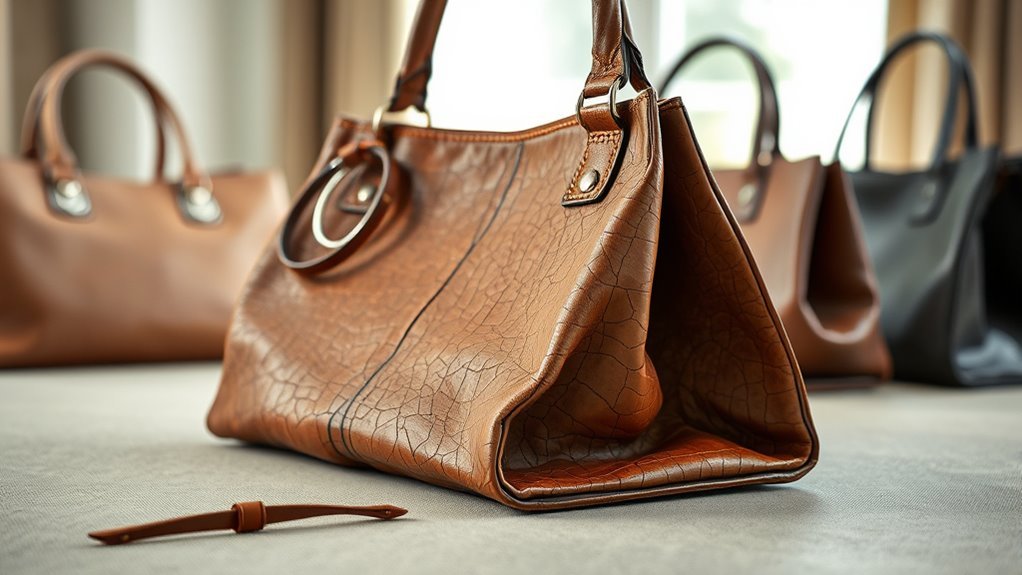
You should retire a damaged handbag when structural wear starts affecting shape, seams, zipper alignment, or handle attachment points. Sagging, split seams, frayed stitching, and cracks near folds mean the bag’s support is failing, and repairs may no longer hold. If restoration costs approach or exceed the bag’s value, replacement is usually smarter. Early wear can still be repaired, but once damage spreads, performance and durability drop fast, and the next steps matter.
How Structural Wear Shows on a Handbag
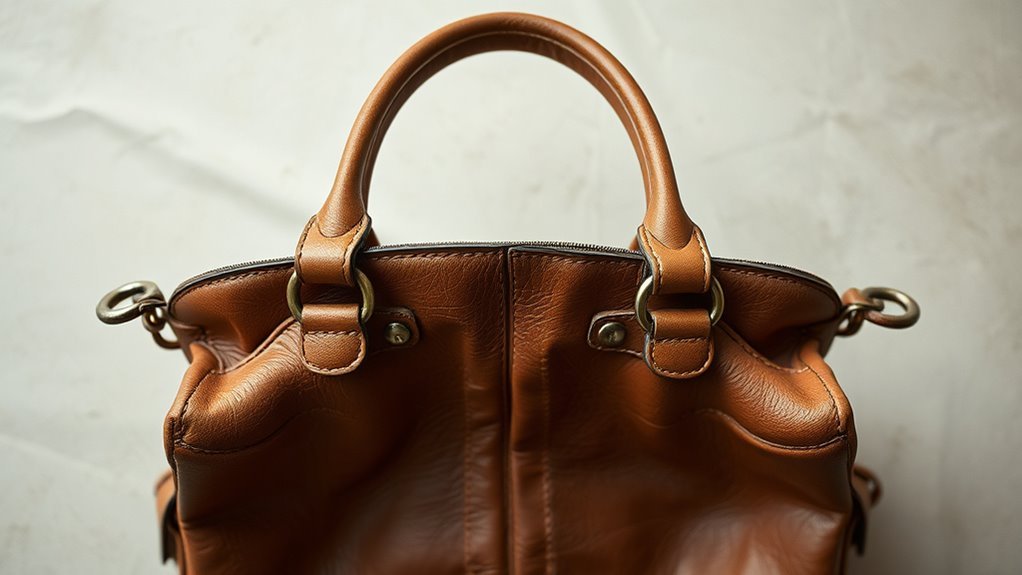
Structural wear often shows up first as sagging or a loss of shape, which means the handbag’s materials are no longer offering proper support. You’ll notice a sagging structure when the base drops, the sides bow, or the profile no longer holds.
Check for zipper misalignment; if the track shifts, sticks, or won’t close cleanly, the frame may be compromised. Look closely at leather cracks, especially near folds and stress points, because surface breaks can signal deeper fatigue.
Frayed seams and loose stitching also matter: they let panels separate and reduce load-bearing strength. Handle wear is another clear marker. When straps stretch, thin out, or tear at attachment points, the bag stops carrying weight safely.
These changes aren’t just cosmetic. They limit reliable use and put you in a position to decide whether the bag still serves you or whether its structure has already failed.
Can a Damaged Handbag Still Be Saved?
Yes—often, you can save a damaged handbag if you catch the problem early and repair it promptly.
You should inspect the bag’s structure first: if the seams, lining, and frame are only partly compromised, targeted repair techniques can restore function and protect handbag longevity.
Professional stitching, zipper replacement, and hardware restoration frequently cost less than buying new, especially when you’re preserving a luxury piece with real value.
- Assess the damage with a clear eye: minor wear is usually repairable, but broken seams or warped frames may justify retirement.
- Compare repair cost against replacement value; if restoration keeps the bag usable and meaningful, it’s often worth it.
- Maintain it after repair: clean it, store it properly, and act fast when new wear appears.
You don’t have to surrender a favored bag at the first sign of stress; you can choose repair, preserve utility, and keep control.
Which Handbag Problems Can Still Be Repaired?
You can usually repair minor stitching damage before it compromises the bag’s structure.
If a zipper or hardware component fails, you can often replace it and restore full function.
Surface wear and stains are also frequently treatable with targeted cleaning or refinishing, so you don’t need to retire the bag right away.
Minor Stitching Damage
Minor stitching damage is often repairable when the rest of the handbag is sound, because loose seams and small areas of fraying can usually be restitched by a skilled artisan without affecting the bag’s appearance or function.
You should treat these flaws as maintenance issues, not automatic failure. With proper stitching techniques, artisan repairs can restore structural integrity and keep the bag in service.
- Inspect the seam length, thread loss, and nearby material for hidden stress.
- Repair promptly so the opening doesn’t spread and weaken adjacent panels.
- Use a qualified repair service to preserve fit, finish, and resale value.
If you act early, you’ll usually extend the bag’s lifespan without sacrificing its crafted character or your freedom to keep using it confidently.
Replaceable Zippers And Hardware
Worn zippers, broken clasps, and loose buckles are often repairable, and in many cases they’re the kind of damage that doesn’t require replacing the whole handbag. You can usually schedule zipper replacement when the slide sticks, separates, or won’t align.
Professionals can also handle hardware restoration for clasps, buckles, rivets, and snaps, returning function without changing the bag’s core structure. If your brand offers matching parts, use them to preserve fit and finish.
Replacing failed hardware can extend the bag’s service life and keep load-bearing points secure. Check closures and fasteners regularly so you catch wear early.
That way, you stay in control of what you keep, what you repair, and when a bag truly deserves retirement instead.
Surface Wear And Stains
Surface scuffs, scratches, and light discoloration can often be repaired before they become reasons to retire a handbag. You can restore many finishes with targeted cleaning techniques and conditioning products matched to the material. Act quickly on dirt or oil stains, because prompt treatment limits permanent marking.
- Use a gentle cleaner for leather or fabric, then test a hidden area first.
- Apply conditioning products to replenish flexibility and reduce visible scuffs.
- For fabric bags, use spot treatments to lift stains without spreading them.
If you see frayed edges or loose stitching, a specialist can often stabilize them.
But if stains accompany broken straps or compromised seams, weigh repair cost against value. When restoration no longer supports use, let the bag go.
When Handbag Seams Start to Fail
When handbag seams start to fray or split, the bag’s structure can weaken quickly, affecting both its shape and everyday function. You should inspect seam integrity along stress points, because failure there often means the bag can’t carry load safely. Compare stitching techniques and note whether the thread is loosening, missing, or pulling through the material.
| Checkpoint | What it means |
|---|---|
| Fraying threads | Early wear, repair soon |
| Split seam line | Structural failure, assess now |
| Repeated separation | Likely overstuffing or excess wear |
If seams keep coming apart, stop forcing the bag into service and evaluate it honestly. Regular checks let you catch damage early and make targeted repairs before problems spread. If repairs won’t hold, or if fixing the seams costs more than the handbag is worth, retire it. That choice protects your time, money, and freedom from carrying a failing bag.
Why a Lost Shape Means Trouble
When your handbag loses its shape, you’re usually seeing structural wear that goes beyond surface damage.
A distorted silhouette shifts weight unevenly, stresses seams and panels, and can make the bag harder to use day to day.
If the shape won’t recover, repair may no longer be enough, and retirement can prevent further damage.
Shape Loss Signals Damage
A handbag that’s lost its shape is showing more than cosmetic wear; it often points to structural damage that can affect both function and appearance.
You’ll see the loss of shape as a decline in shape preservation and structural integrity, not just a style issue. When the frame softens, seams and materials may be weakening inside, and the bag can stop supporting your items evenly.
- Check whether the base sags under normal load.
- Note any collapse at the sides, gussets, or top line.
- Assess whether contents shift and press unevenly on the interior.
If you keep using a misshapen bag, damage can spread and repairs can become costlier.
Spotting the shift early lets you act before the handbag reaches the point of no return.
Structural Wear Red Flags
Even if the bag still looks usable, a lost shape often means its structural integrity has weakened and it’s more likely to suffer further damage in daily use.
You should inspect for sagging, bulging, and uneven panels, because these show the leather or other materials are overstressed and may not rebound.
Watch for visible creases or wrinkles; they signal material fatigue that can progress into cracks and breakdown.
Check the stitching next: loosening or fraying lowers stability and reduces function.
Also note color fading and handle wear, since they often appear alongside deeper structural strain.
These red flags tell you the bag’s frame and surface are failing together.
Regular checks help you decide when to retire it before it limits your freedom or becomes unusable.
When Repair Isn’t Enough
Once a handbag loses its shape, the damage often goes beyond surface wear and points to materials that may no longer support effective repair. You’re seeing structural failure, not just cosmetic fatigue, and repair limitations start to matter fast.
- Sagging or uneven panels can block access and let items spill, which means the bag no longer performs its basic function.
- If reinforcements can’t restore the original silhouette, further work may only delay more deterioration.
- A deformed profile also creates aesthetic concerns and lowers resale value, reducing the bag’s usefulness as a statement piece.
When repairs can’t recover integrity, you’re often better off retiring the bag. That choice protects your time, budget, and freedom from chasing ineffective fixes.
When Leather Damage Becomes Permanent
Leather damage becomes permanent when cracks or deep scratches penetrate the top layer and expose the underlying fibers, because at that point the material’s structure has been compromised. You can’t reverse this level of wear with surface care; the leather’s strength and finish are already failing.
Prolonged moisture exposure can trigger mold, which stains fibers and weakens them internally. If you let the bag stay damp, you risk permanent discoloration and a rough, unstable texture.
Overdrying causes another irreversible shift: conditioned leather stays flexible, but neglected leather becomes brittle and fractures under normal use. Harsh cleaners also alter hue and grain, leaving marks you can’t remove without further damage.
Check stitching and seams too; once they fray or split, the bag loses shape and utility. At that point, you need to let go and move on.
Is Repair Worth the Price?
Repair is often worth the price when the damage is still limited and the bag has real value. You can usually restore function for a repair cost of about $50 to $300, which is often far less than replacing a quality bag.
If you act early, you stop minor structural issues from spreading into failures that cost more and can strip the bag of use.
- Compare the repair cost with current market value and expected lifespan.
- Weigh emotional value against practical function; both matter when the bag carries significance.
- Ask a skilled artisan whether restoration can preserve the bag’s character and craftsmanship.
When you choose repair, you extend usefulness without surrendering control to waste. For luxury pieces, that choice can also protect resale potential and keep the bag aligned with your standards.
If the damage has pushed the bag past reliable recovery, then the numbers will tell you clearly enough.
How to Pick a Better Replacement
When a handbag can’t be restored at a sensible cost, the next step is choosing a replacement that’ll hold up better over time.
You should evaluate material quality and craftsmanship first: full-grain leather, tight stitching, and sturdy hardware usually last longer under daily strain.
Then test the bag’s size against your routine so you keep a clear functionality balance without sacrificing comfort or mobility.
Research brand reputation and customer reviews to identify makers with consistent quality and responsive service.
Favor designs with style versatility, so you can move from work, travel, and evenings out without switching bags.
Check warranty terms and repair support, too; they signal whether the brand stands behind its products.
This approach helps you buy less often, waste less, and keep your choices aligned with your own terms.
What to Look for in a New Handbag
Look for a handbag that can handle regular use without breaking down early. Prioritize material choices, such as full-grain leather or durable canvas, because they resist abrasion and hold structure longer. Check the seams, edges, and base for reinforced stitching and sturdy hardware; weak construction invites failure under load.
- Inspect functionality features: pockets, closures, and interior layout should support your routine without forcing compromise.
- Test weight distribution: the bag should feel balanced when empty, so it won’t strain seams or straps once filled.
- Verify brand reputation: choose makers with proven craftsmanship, reliable quality control, and responsive support.
You deserve a bag that works with your life, not against it. A well-built handbag should move freely from daily transit to weekend plans while maintaining shape, security, and comfort.
When you assess these details carefully, you reduce waste, avoid premature replacement, and keep your carry system efficient.
Frequently Asked Questions
Can Handbags Be Restored?
Yes, you can restore handbags with handbag repair and restoration techniques. You’ll fix stitching, zippers, and minor tears, and you can preserve structure, function, and resale value, especially when you act early and maintain it regularly.
Is Recycled Leather Good Quality?
Yes—if you choose well-made recycled leather, you can get strong, durable material with recycled leather benefits and sustainable fashion advantages. You’ll want reputable sourcing, proper processing, and careful maintenance to guarantee performance and longevity.
What Is the Average Lifespan of a Plastic Bag?
You’re looking at a plastic bag lifespan of minutes to centuries: about 12 minutes in use, or up to 1,000 years in landfills. Biodegradable materials and sustainable alternatives can sharply reduce that burden.
How Often Should You Condition Leather Handbags?
You should condition leather handbags every 3 to 6 months for reliable leather care; if you use yours hard or expose it to harsh weather, increase conditioning frequency to every 2 months. Test first, then preserve suppleness.
Conclusion
When your handbag’s seams split, its shape collapses, or the leather scars beyond repair, you’re seeing more than wear—you’re seeing its structure give way. At that point, patching may only delay the inevitable. If the repair costs more than replacement, retire it and choose a bag with reinforced stitching, firm construction, and durable materials. A sound handbag carries your essentials like a well-built bridge: steady, reliable, and ready for daily use.